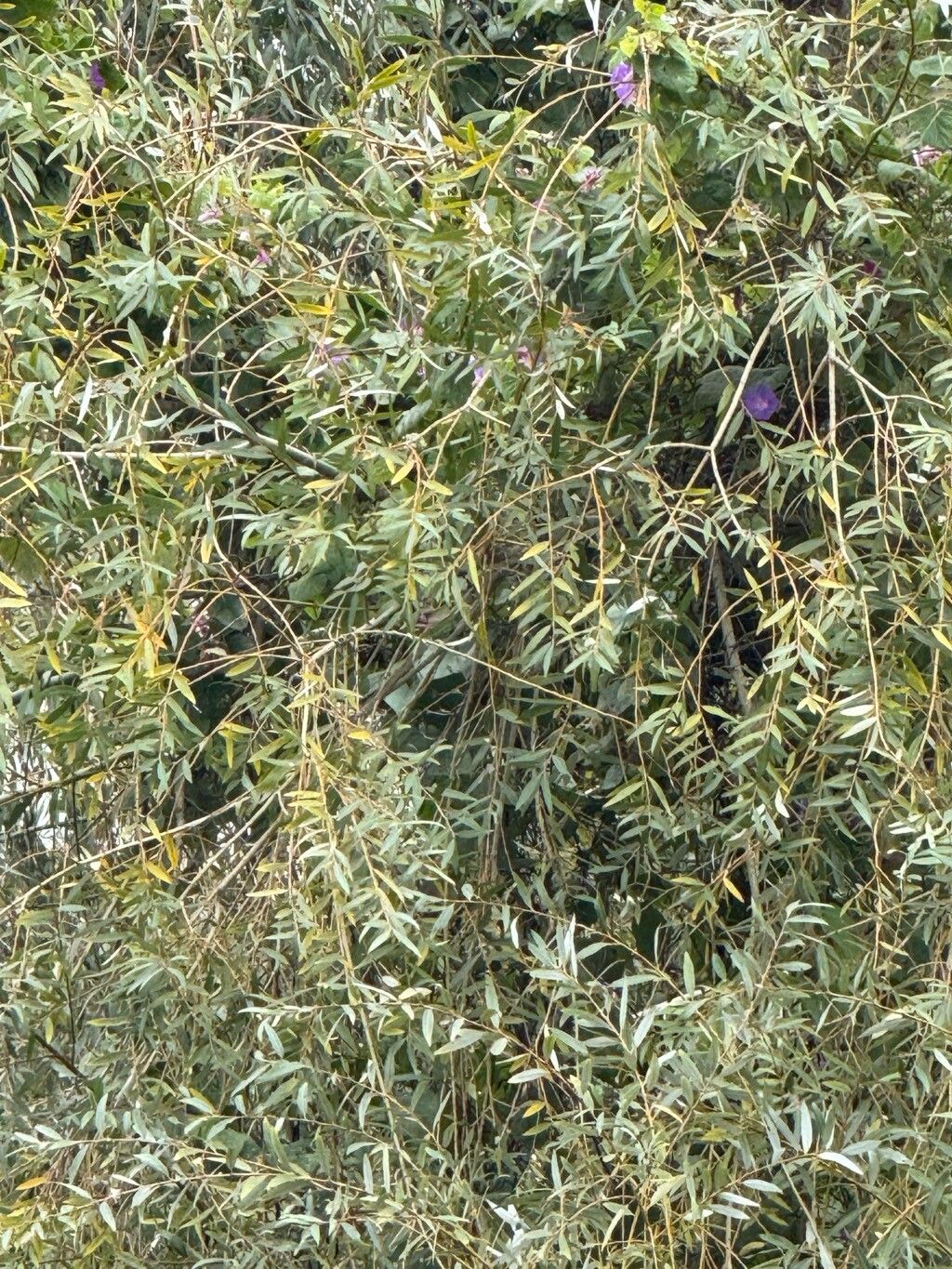
Oh, hello there! Come on in, let’s chat about this truly delightful plant: Alchornea castaneifolia. You know, the one with those lovely, glossy leaves that look like little emerald jewels? It’s got this wonderful, tropical vibe, even if you’re not in the tropics. And the best part? It’s incredibly rewarding to propagate. If you’re just starting out in the plant-parenting world, you’ll be happy to know that Alchornea castaneifolia is generally a pretty forgiving plant to work with. You’ve got this!
The Best Time to Start
For the absolute best chance of success with your Alchornea castaneifolia, I find that late spring or early summer is the sweet spot. This is when the plant is really in its active growing phase, meaning it has plenty of energy to put into pushing out those new roots. You can also have a good go at it in early autumn, before things cool down too much. Just aim for a time when your plant is actively growing, not stressed or dormant.
Supplies You’ll Need
Gathering your supplies is half the fun, isn’t it? Here’s what I usually have on hand:
- Sharp Pruning Shears or a Clean Knife: For making nice, clean cuts. We don’t want any ragged edges!
- A Well-Draining Potting Mix: Something with plenty of perlite or bark to keep it airy. I often use a 50/50 mix of good quality potting soil and perlite.
- Small Pots or Growing Trays: Clean ones, of course! Think 4-inch pots or even smaller ones for cuttings.
- Rooting Hormone (Optional but Recommended): This can give your cuttings a real boost. I like the powder form.
- A Spray Bottle: For keeping things consistently moist, but not soggy.
- Clear Plastic Bags or a Small Greenhouse/Propagator: To create that humid environment new cuttings crave.
- Perlite or Small Pebbles (for water propagation): To give the cuttings something to anchor onto.
Propagation Methods
Let’s dive into how we can create more of these beauties!
Stem Cuttings
This is my go-to method for Alchornea castaneifolia. It’s straightforward and usually yields great results.
- Take Your Cuttings: On a healthy, non-flowering stem, make a clean cut just below a leaf node. A leaf node is where a leaf attaches to the stem. You’ll want cuttings that are about 4-6 inches long. Remove the lower leaves, leaving just a couple at the very top.
- Apply Rooting Hormone (Optional): If you’re using rooting hormone, dip the cut end of the stem into it, tapping off any excess.
- Pot Them Up: Fill your small pots with your prepared, moist potting mix. Make a small hole in the center with your finger or a pencil.
- Insert Cuttings: Gently push the cut end of each cutting into the hole, making sure the leaf nodes where you removed the leaves are buried. Firm the soil gently around the stem.
- Water Gently: Give them a light watering. You want the soil to be moist, but not waterlogged.
- Create Humidity: Place the pots into a clear plastic bag, or into a propagator. You can prop the bag up with a few skewers so it doesn’t touch the leaves. Seal it up to create a humid environment. Place them in bright, indirect light.
Water Propagation
This method is a bit more visual, and some folks just love watching the roots emerge!
- Prepare Your Cuttings: Similar to stem cuttings, take a 4-6 inch cutting from a healthy stem, making your cut just below a leaf node. Remove the lower leaves.
- Place in Water: Fill a clean jar or vase with fresh water. You can pop a few pebbles or a bit of perlite into the bottom of the jar to help support the stems.
- Submerge the Nodes: Ensure that at least one or two leaf nodes are submerged in the water. The leaves themselves should be above the water line.
- Find the Right Spot: Place the jar in a spot with bright, indirect light.
- Change the Water Regularly: Aim to change the water every few days to keep it fresh and prevent bacterial growth.
The “Secret Sauce” (Pro Tips)
Now, for a few little tricks I’ve picked up along the way:
- Bottom Heat is Your Friend: While not strictly necessary, if you can provide a little gentle bottom heat (using a heated propagator mat or placing the pots on top of a gently warm appliance), you’ll find that your Alchornea castaneifolia cuttings root much, much faster. It really mimics that warm soil they love.
- Don’t Let the Leaves Touch the Water (for water propagation): I can’t stress this enough! If those leaves sit in the water, they’re far more likely to rot. You want those submerged leaf nodes doing the work, not decaying foliage.
- Be Patient with Water-Rooted Cuttings: When you transfer water-propagated cuttings to soil, wait until the roots are at least an inch or two long. They need to be substantial enough to handle the shock of moving to soil.
Aftercare & Troubleshooting
Once you start seeing signs of new growth or roots developing (you might see them peeking out of the drainage holes or new leaves unfurling), it’s time to transition!
For cuttings rooted in soil, gradually introduce them to drier air by opening the plastic bag or propagator a little each day for a week. Once they are established with good new growth, you can remove the cover entirely. Keep the soil consistently moist but not soggy.
If you water-propagated, wait until those roots are a good length, then carefully plant them into your well-draining potting mix. Water them in well, and then treat them as you would a newly potted plant – bright, indirect light and consistent moisture.
The most common issue you’ll encounter is rot. This usually happens from overwatering or poor drainage. If a cutting goes soft and mushy, or the leaves start to yellow and drop quickly without any new growth, it’s likely rotted. Don’t be discouraged! Just toss the rotten cutting and try again, paying close attention to your watering and soil aeration.
A Little Encouragement
Growing plants, from seed or from a cutting, is a journey. There will be triumphs and there might be a few little setbacks, but that’s all part of the learning process. Be patient with your Alchornea castaneifolia, give it the care it needs, and most importantly, enjoy the magic of watching new life emerge. Happy propagating!
Resource: