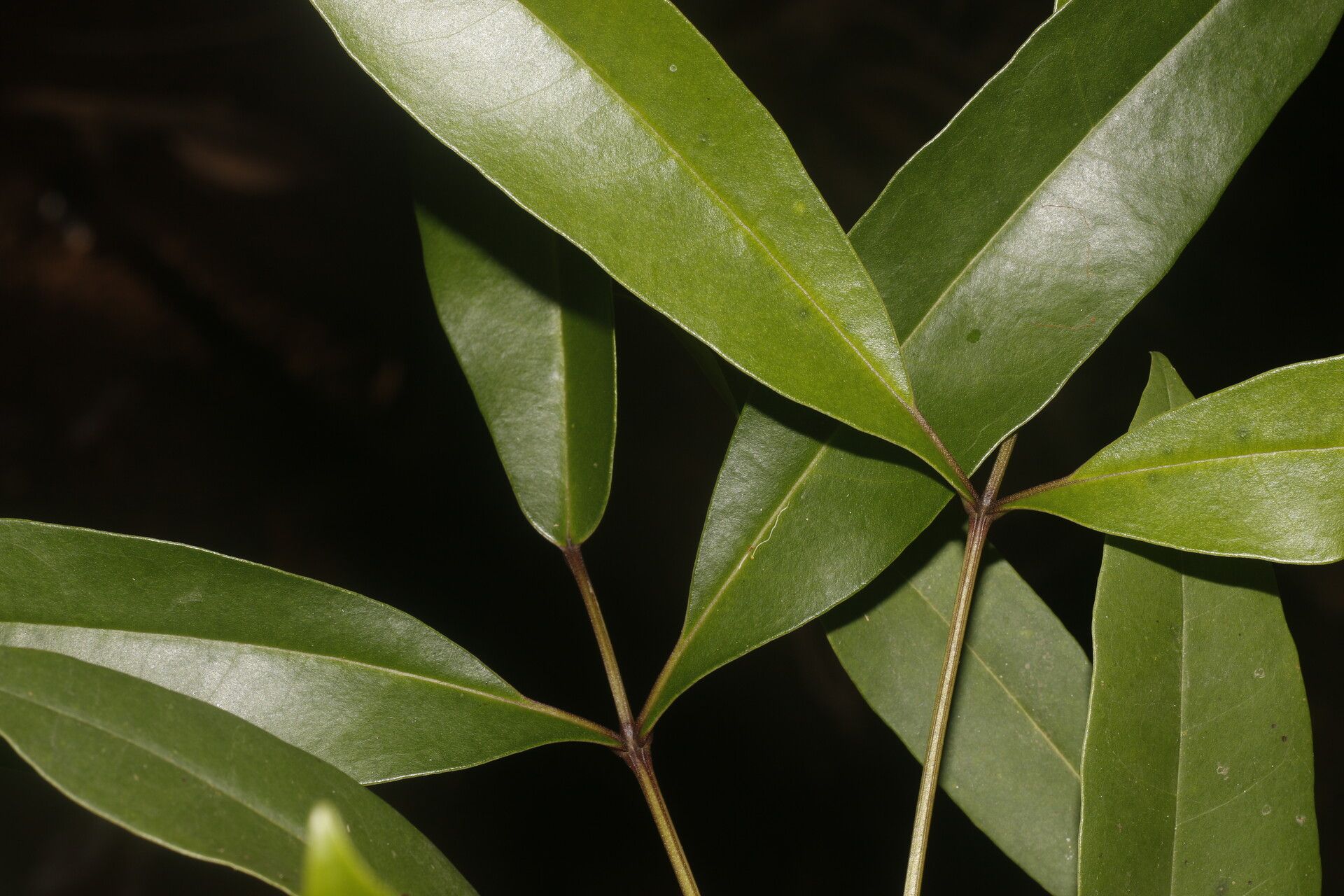
Hello, fellow plant lovers! It’s so good to have you here. Today, we’re diving into the wonderful world of Tabebuia palustris, or as it’s often called, the Pink Trumpet Tree. This tree is simply stunning with its vibrant pink, trumpet-shaped flowers that erupt, usually in a spectacular show. Seeing a whole tree in full bloom is an unforgettable sight! Propagating one yourself? Now that’s a rewarding project that lets you carry that beauty into your own garden. While it might sound a little intimidating, I find Tabebuia palustris to be moderately easy to propagate, especially if you’re willing to be patient and give it a little TLC.
The Best Time to Start
For the highest success rate with Tabebuia palustris, aim for late spring or early summer. This is when the plant is actively growing, and its stems are “semi-hardwood.” Think of it as a point where the new growth has firmed up a bit but isn’t completely woody yet. This ideal stage allows cuttings to develop roots more readily than trying to propagate from very soft, new shoots or old, woody branches.
Supplies You’ll Need
To get your propagation party started, gather these essentials:
- Sharp Pruning Shears or a Knife: Cleanliness is key to preventing disease.
- Rooting Hormone: A good quality rooting powder or gel really makes a difference in encouraging root development.
- Well-Draining Potting Mix: I prefer a blend of perlite and peat moss, or a commercially available mix formulated for cuttings. You want good aeration!
- Small Pots or Trays: Choose pots with drainage holes.
- Clear Plastic Bags or a Propagator Dome: These create a humid environment, which is vital.
- Watering Can or Mister: Gentle watering is a must.
Propagation Methods
Let’s get our hands dirty! The most reliable way to propagate Tabebuia palustris is through stem cuttings.
- Select Your Cuttings: Look for healthy branches on your mature tree. Choose stems that are about 6-8 inches long and have at least a couple of leaf nodes (the little bumps where leaves emerge). As I mentioned, aim for that semi-hardwood stage.
- Take the Cuttings: Using your clean pruning shears or knife, take cuttings from the tip of a branch. Make your cut just below a leaf node.
- Prepare the Cuttings: Gently remove the leaves from the bottom half of each cutting. This prevents them from rotting in the soil. You can also pinch off any flower buds if they are present; the plant should focus its energy on root production, not flowering.
- Apply Rooting Hormone: Dip the cut end of each stem into your rooting hormone, tapping off any excess.
- Plant Your Cuttings: Fill your small pots with your well-draining potting mix. Make a hole in the center of the mix with your finger or a pencil. Insert the cut end of your cutting into the hole, ensuring the rooting hormone stays on the end. Gently firm the mix around the stem.
- Water Gently: Water the soil thoroughly but gently.
- Create a Humid Environment: Place the pots inside a clear plastic bag or cover them with a propagator dome. This traps moisture and keeps the humidity high, mimicking the environment the cutting craves. Make sure the leaves do not touch the plastic bag – this can encourage rot. You might need to prop up the bag with stakes.
The “Secret Sauce” (Pro Tips)
Here are a few tricks I’ve learned over the years that can really boost your success:
- Bottom Heat is Your Friend: If you have a seedling heat mat, placing your pots on it can significantly speed up root development. The warmth encourages the cells to divide and grow.
- Don’t Overwater, But Keep Them Moist: It’s a delicate balance! The soil should feel consistently moist, but never waterlogged. A good rule of thumb is to check the soil with your finger. If the top inch feels dry, it’s time to water.
- Location, Location, Location: Place your cuttings in a bright, indirect light location. Direct sun will scorch their delicate leaves and dry out the whole setup too quickly.
Aftercare & Troubleshooting
Once you start to see tiny roots emerging from the drainage holes (this can take anywhere from 4 to 8 weeks, sometimes longer!), it’s time for a little more attention.
- Gradual Acclimation: Begin to slowly acclimate your new plant to lower humidity by opening the plastic bag or propagator lid for longer periods each day over a week or two.
- Potting Up: Once there’s a good amount of root growth, you can carefully transplant your new Tabebuia palustris into a slightly larger pot with fresh potting mix.
- Troubleshooting: The most common issue you’ll encounter is rot. If you see your cuttings turning black and mushy, it’s usually a sign of too much moisture and not enough air circulation. Ensure your soil is draining well and try to improve airflow. If a cutting wilts dramatically and seems beyond recovery, it’s often best to discard it and start fresh. Don’t get discouraged; it’s part of the learning curve!
A Encouraging Closing
Propagating plants is such a rewarding journey, and watching a tiny cutting transform into a thriving young tree is pure gardening magic. Be patient with your Tabebuia palustris, give it the right conditions, and celebrate every little sign of progress. You’ve got this! Happy propagating!
Resource:
https://identify.plantnet.org/k-world-flora/species/Tabebuia%20palustris%20Hemsl./data