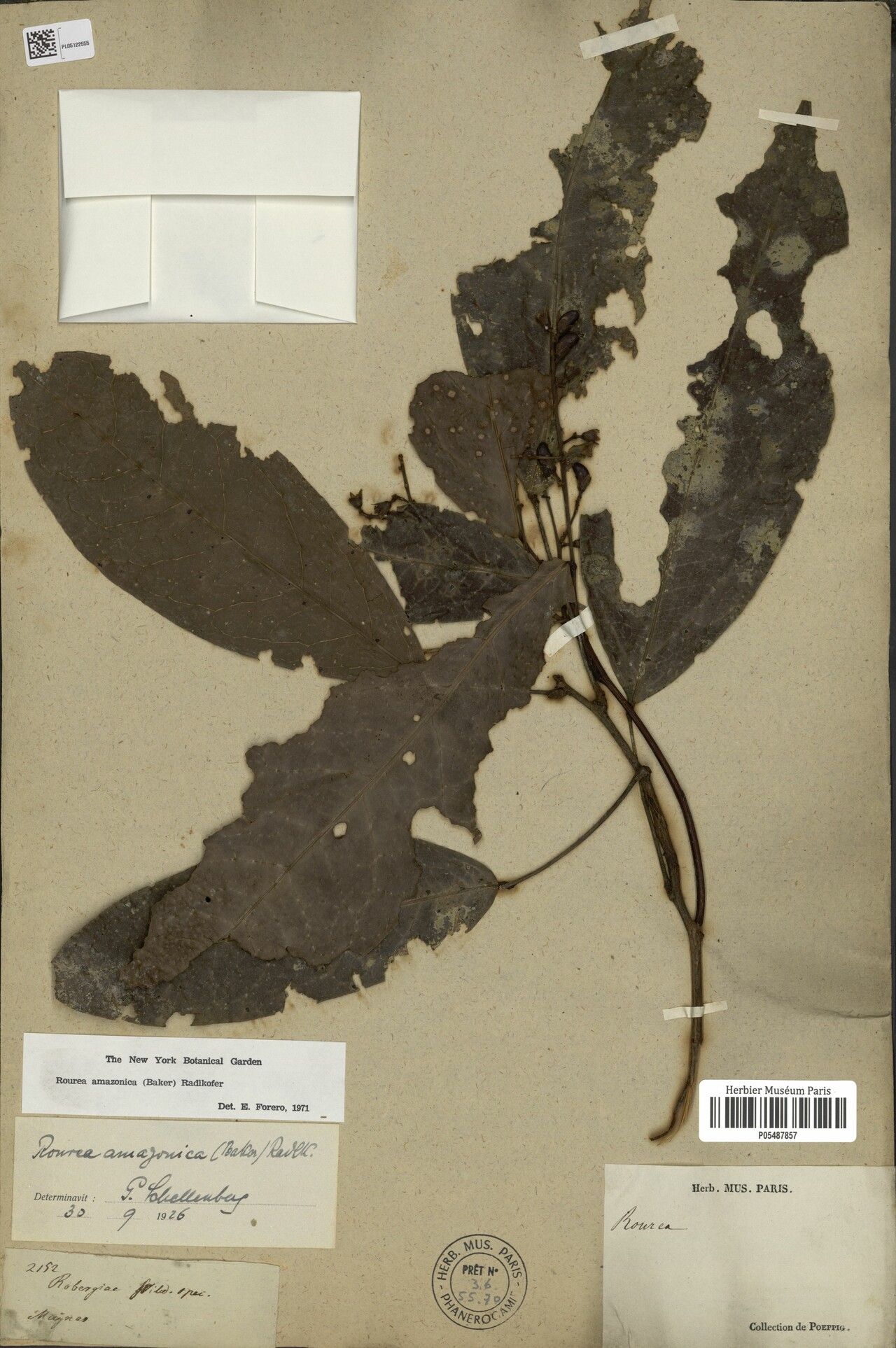
Oh, hello there! Come on in, grab a mug. Let’s talk about Rourea amazonica. If you’ve ever seen this beauty, you know what I mean. Its glossy, deep green leaves and elegant, trailing habit make it a real showstopper indoors. And the best part? It’s surprisingly rewarding to bring more of these treasures into your life through propagation. Now, is it a beginner’s plant to propagate? Honestly, if you’re just starting out, I’d say try a few other common houseplants first. Rourea amazonica can be a little particular, but don’t let that discourage you! With a bit of know-how and some gentle encouragement, you’ll be successful.
The Best Time to Start
For me, the absolute sweet spot for propagating Rourea amazonica is late spring through early summer. This is when the plant is really hitting its stride, growing vigorously, and has plenty of healthy, new growth to spare. You want to work with stems that are still somewhat pliable but have started to firm up a bit – not the super soft, floppy tips, but not the old, woody stuff either. Think of it as catching the plant in its prime, full of youthful energy.
Supplies You’ll Need
Before we get our hands dirty, let’s gather our troops. Having everything ready makes the process so much smoother:
- Sharp Pruning Shears or a Clean Knife: For making clean cuts.
- Rooting Hormone: A powdered or gel form can give your cuttings a real boost.
- Well-Draining Potting Mix: I like a blend of half peat moss or coco coir and half perlite or coarse sand.
- Small Pots or Seedling Trays: Clean ones are crucial to prevent disease.
- Plastic Bag or Clear Dome: To create a humid environment.
- Watering Can with a Fine Rose: For gentle watering.
- Optional: Bottom Heat Mat: This is a game-changer, especially if your home is on the cooler side.
Propagation Methods
Rourea amazonica does best for me when propagated by stem cuttings. It’s a straightforward method, and with a little patience, you’ll see those roots develop beautifully.
Here’s how I do it:
- Select Your Stems: Look for healthy, non-flowering stems on your mature plant. Choose ones that are about 4-6 inches long and have at least two to three sets of leaves.
- Make the Cut: Using your sharp pruning shears or knife, make a clean cut just below a leaf node. This is where the magic happens for root development.
- Prepare the Cutting: Gently remove the lower leaves from the stem, leaving just a couple of leaves at the top. If your top leaves are very large, you can snip them in half horizontally to reduce water loss.
- Apply Rooting Hormone: Dip the cut end of the stem into your rooting hormone, tapping off any excess. This step is usually very beneficial for Rourea amazonica.
- Plant Your Cuttings: Fill your small pots or trays with your well-draining potting mix. Make a small hole in the center with your finger or a pencil. Insert the prepared cutting into the hole, ensuring the leaf nodes you removed are below the soil surface. Gently firm the soil around the base of the cutting.
- Create a Humid Environment: Water the soil lightly. Then, cover the pot with a clear plastic bag (propped up so it doesn’t touch the leaves) or place it under a clear dome. This keeps the humidity high, which is essential for cuttings that can’t yet absorb much water from the soil.
The “Secret Sauce” (Pro Tips)
Now, for a couple of little tricks I’ve learned over the years that often make all the difference:
- Bottom Heat is Your Best Friend: If you can manage it, place your pots on a gentle bottom heat mat. This warmth encourages root development from below, mimicking ideal soil temperatures. It’s particularly helpful in cooler months, but even in summer, it can speed things up considerably.
- Don’t Drench the Soil (Initially): When you first plant your cuttings, the soil should be moist, not soggy. Overwatering at this stage is a quick way to invite rot before roots even have a chance to form. Aim for consistently damp, like a well-wrung sponge.
- Watch for the “Wiggle Test”: Don’t be tempted to yank on your cuttings to check for roots too soon! Wait at least 3-4 weeks. Then, when you think roots might be forming, give a very gentle tug. If you feel slight resistance, congratulations, you likely have roots!
Aftercare & Troubleshooting
Once you see good root development – perhaps evident by new leaf growth or resistance when you do that gentle wiggle test – it’s time to transition your new plant.
- Acclimation: Gradually increase ventilation by opening the plastic bag or dome for longer periods each day over a week. This helps your cutting adjust to normal humidity levels.
- Light: Once acclimated, move your new Rourea amazonica to a spot with bright, indirect light. Avoid harsh, direct sun, which can scorch its delicate leaves.
- Watering: Water thoroughly when the top inch of soil feels dry. Ensure good drainage to prevent waterlogging.
The most common issue you might encounter is rot. If you see your stem turning brown and mushy, or the leaves wilting dramatically without any sign of new growth, it’s likely rot. This usually means the soil was too wet and there wasn’t enough air circulation. Don’t be disheartened if a few cuttings don’t make it; it’s part of the learning process with any plant. Just try again with fresh cuttings and adjust your watering strategy.
A Encouraging Closing
Propagating Rourea amazonica is a wonderful way to multiply your green collection and connect with even more of this stunning plant’s beauty. It takes a bit of patience, a keen eye, and maybe a few attempts, but the reward of nurturing a new life from a simple cutting is incredibly satisfying. So, gather your supplies, find the perfect stem, and give it a go. Enjoy the process, and happy growing!
Resource:
https://identify.plantnet.org/k-world-flora/species/Rourea%20amazonica%20(Baker)%20Radlk./data