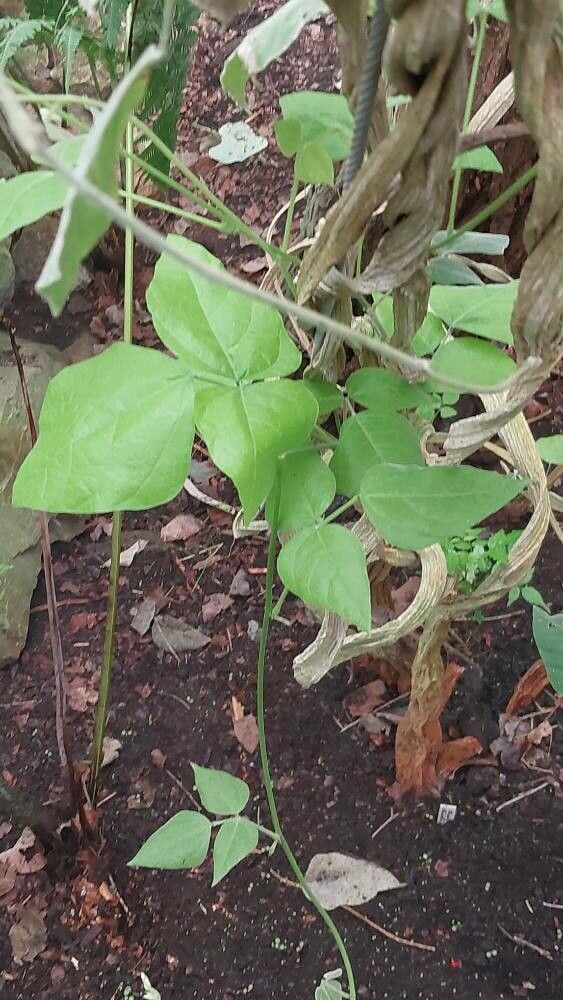
Hello fellow plant lovers! Today, we’re diving into the wonderful world of propagating Rhynchosia phaseoloides. If you’ve ever admired this vine’s delicate beauty and interesting seed pods, you’re in for a treat. Growing more of these beauties from your existing plants is incredibly rewarding. Think of it as sharing a little piece of your garden magic with yourself or a friend. And good news – while it takes a little care, it’s a journey that’s definitely achievable, even for those of you just starting your gardening adventure.
The Best Time to Start
For the highest success rate, I find starting new Rhynchosia plants in the late spring or early summer is best. This is when the plant is actively growing after the rest of winter. You want to take cuttings from healthy, vigorous stems that are neither too soft and new nor too woody and old. Think of stems that have developed a bit but are still flexible.
Supplies You’ll Need
To get your propagation station set up, gather these essentials:
- Sharp, clean pruning shears or a sharp knife: A clean cut prevents disease.
- Rooting hormone powder or gel (optional but recommended): This gives your cuttings a little boost.
- Well-draining potting mix: I like a blend of equal parts peat moss, perlite, and a bit of compost.
- Small pots or seed trays with drainage holes: These give your cuttings a cozy home.
- Clear plastic bags or a propagator lid: To create a humid environment.
- Watering can with a fine rose: Gentle watering is key.
Propagation Methods
Let’s get our hands dirty with the most successful ways to propagate Rhynchosia phaseoloides:
Stem Cuttings
This is my go-to method for this lovely vine.
- Select Your Cuttings: On a healthy plant, identify stems that are about 4-6 inches long. Look for growth that has started to harden slightly – it will snap rather than bend easily. Make your cut just below a leaf node. This is where roots are most likely to emerge.
- Prepare the Cuttings: Gently strip off the lower leaves, leaving just 2-3 leaves at the top. This reduces water loss and prevents leaves from rotting in the soil. If the top leaves are very large, you can snip them in half.
- Apply Rooting Hormone: Dip the cut end of each stem into your rooting hormone, tapping off any excess.
- Plant Your Cuttings: Fill your pots with your well-draining mix. Make a small hole with your finger or a pencil, and insert the cutting, ensuring the leaf nodes are buried. Gently firm the soil around the stem.
- Create Humidity: Water the soil thoroughly until it drains from the bottom. Then, cover the pots with a clear plastic bag or a propagator lid to create a mini greenhouse. Place them in a spot with bright, indirect light.
Water Propagation
This is a fun, visual method, and Rhynchosia can do quite well with it.
- Get Your Cuttings: Follow steps 1 and 2 from the stem cutting method above.
- Place in Water: Instead of potting mix, place the prepared cuttings in a clean jar or glass of water. Make sure no leaves are submerged in the water. Just the stem should be in contact.
- Change Water Regularly: Change the water every few days to keep it fresh and prevent bacterial growth.
- Watch for Roots: You should see tiny white roots emerging from the leaf nodes after a few weeks. Once the roots are about an inch long, they are ready to be planted in soil.
The “Secret Sauce” (Pro Tips)
Here are a few tricks I’ve learned over the years that really up the ante on propagation success:
- Bottom Heat is Your Friend: Rhynchosia roots develop much faster when the soil is kept warm. Placing your pots on a heating mat designed for seedlings can make a huge difference, especially if your home isn’t consistently warm.
- Be Patient with Watering: When using the plastic bag method, don’t let the soil dry out completely, but also don’t let it become waterlogged. A good test is to poke your finger about an inch into the soil. If it feels dry, it’s time to water gently.
- Air Circulation Matters: While humidity is crucial, stagnant air can lead to fungal issues. Open the plastic bag or propagator lid for a few minutes each day to allow for fresh air exchange.
Aftercare & Troubleshooting
Once you see new leaf growth emerging, it’s a good sign that roots are forming!
- Gradually Acclimate: If you used a plastic bag, slowly start to acclimate your new plants to less humid conditions by opening the bag more each day before removing it entirely.
- Gentle Watering: Continue to water gently. Allow the top inch of soil to dry out slightly between waterings.
- Bright, Indirect Light: Keep your new plants in a spot with bright, indirect light, similar to where you kept the cuttings.
- Troubleshooting Rot: The most common issue you might face is rot. If stems turn black and mushy, it’s usually a sign of too much moisture and not enough air circulation. Unfortunately, a rotten cutting cannot usually be saved, so it’s best to discard it and try again with new material. Always aim for that perfect balance of moisture and airflow.
The journey of growing a new plant from a cutting is one of nature’s little miracles. It requires a bit of care and observation, but the joy of seeing those first tiny roots emerge is truly unparalleled. Be patient, enjoy the process, and soon you’ll have a whole new collection of Rhynchosia phaseoloides to cherish! Happy propagating!
Resource:
https://identify.plantnet.org/k-world-flora/species/Rhynchosia%20phaseoloides%20(Sw.)%20DC./data