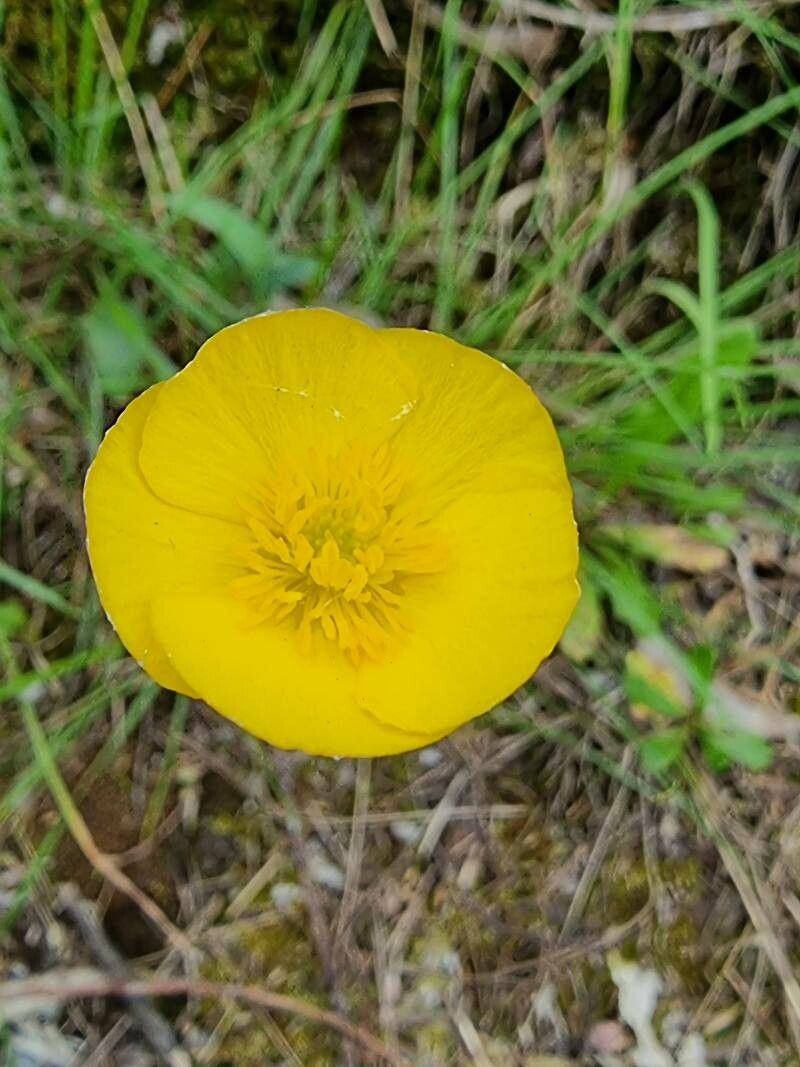
Hello there, fellow garden enthusiasts! It’s so lovely to have you join me today. We’re going to chat about a truly special flower: the Ranunculus. Oh, those layers of delicate petals, like tissue paper unfurling in the most vibrant hues! They bring such a dramatic flair to any bouquet or garden bed. And the best part? You can have more of them! Propagating Ranunculus bupleuroides is one of those deeply satisfying gardening ventures. For beginners, I’d say it’s more of a delightful challenge than a beginner’s stroll, but with a little guidance, I’m confident you’ll be successful.
The Best Time to Start
When it comes to Ranunculus, timing is everything. The ideal window to get your propagation party started is typically in the late summer or early autumn. You’ll want to wait until your established Ranunculus plants have finished flowering and their foliage has begun to yellow and die back. This is a sure sign that the plant is going dormant and storing energy in its roots, which is exactly what we want when we’re looking to divide. For other methods like stem cuttings, you’ll look to do this during the active growing season, usually spring after the plant has started to put on new growth, but before it gets too hot and stressed.
Supplies You’ll Need
Before we dive in, let’s gather our tools. Think of this as your propagation toolkit, ready for action:
- Sharp, clean pruning shears or a sharp knife: For making clean cuts. Sanitize them with rubbing alcohol between uses!
- Well-draining potting mix: A good blend for Ranunculus is usually a mix of potting soil, perlite, and a bit of sand. You want to avoid anything that stays soggy.
- Small pots or seed trays: Whatever you have on hand that’s a good size for your cuttings or divisions.
- Optional: Rooting hormone: This can give your cuttings a helpful boost, though it’s not always strictly necessary.
- Watering can or mister: For gentle watering.
- A shady spot or grow lights: To keep your new propagations happy and out of harsh sun.
Propagation Methods
Now for the exciting part! Let’s get our hands dirty.
Division (From Dormant Tubers)
This is often the most successful method for Ranunculus, especially if you started with tubers.
- Gently excavate: Once your plant has finished blooming and the foliage is dying back, carefully dig around the plant. You’re trying to unearth the “claw-like” tubers. Be gentle; these can be a bit brittle.
- Inspect and separate: Look for the main cluster of tubers. You’ll often see new, smaller tubers growing off the main ones. If you see a distinct bud or “eye” on a tuber, that’s your key to a new plant!
- Divide with care: Using your clean knife or shears, carefully slice through the tuber clusters. Make sure each section has at least one healthy bud or eye. If a tuber is very small, or seems soft and mushy, it’s probably best to leave it. Don’t force it!
- Allow to callus (optional but recommended): Let the divided tubers sit out in a dry, airy place for a day or two. This helps the cut surfaces callus over, preventing rot when you plant them.
- Plant them up: Replant your divided tubers in your well-draining potting mix, about 1-2 inches deep, with the claw pointing downwards. Water them in gently.
- Wait for growth: Place them in a cool, bright spot and be patient. They can take a few weeks to show signs of life.
Stem Cuttings (During Active Growth)
This method is achievable during the growing season when plants are actively producing stems.
- Select healthy stems: From a vigorous, well-established plant, choose a healthy, non-flowering stem that’s about 4-6 inches long.
- Make the cut: Using your clean shears, make a cut just below a leaf node (where a leaf joins the stem). This is where roots are most likely to form.
- Prepare the cutting: Remove the lower leaves, leaving just one or two at the very top. If the stem is very soft, you might even trim some of these top leaves in half to reduce water loss.
- Apply rooting hormone (optional): Dip the cut end into rooting hormone, tapping off any excess.
- Plant the cutting: Insert the prepared cutting into a small pot filled with your well-draining mix. Gently firm the soil around it.
- Create a humid environment: Cover the pot with a clear plastic bag or a propagator lid to maintain humidity. Ensure the leaves don’t touch the plastic.
- Provide indirect light and warmth: Place the pot in a bright spot, but out of direct sunlight. A little bottom heat from a heat mat can really speed things up.
The “Secret Sauce” (Pro Tips)
Here are a few little tricks I’ve picked up over the years that make a difference:
- The Rot Reminder: Ranunculus tubers (and their cuttings) are awfully susceptible to rot if they sit in soggy soil. I always err on the side of underwatering rather than overwatering during the initial rooting period. It’s better for them to be a bit dry than to drown.
- Air Circulation is Key: For stem cuttings, that humidity dome is crucial, but make sure to “burp” the dome daily by lifting the lid for a few minutes. This allows for fresh air exchange and helps prevent fungal issues.
- Bottom Heat for the Win: Especially for stem cuttings, propagating them on a gentle heat mat can significantly speed up root development. It mimics the beneficial warmth of spring soil and encourages those roots to form faster.
Aftercare & Troubleshooting
Once you see signs of root development – be it new shoots emerging from tubers or tiny white root hairs on your cuttings – it’s time to adjust your care slightly.
- For divisions: Continue watering as needed, allowing the soil to dry out slightly between waterings. Keep them in that bright, indirect light. Once they are showing good top growth, you can treat them much like a mature Ranunculus.
- For cuttings: Gradually acclimate them to less humid conditions by slowly opening the plastic bag or propagator over a week or two. Once they have a decent root system (you might see roots coming out of the drainage holes), you can transplant them into their own small pots. Continue to water gently and provide bright, indirect light.
Now, what if things go wrong? The most common enemy of Ranunculus propagation is rot. If you see your tuber turning mushy and black, or your cuttings suddenly wilting and looking black at the base, rot is likely the culprit. This usually means the environment is too wet, or the material wasn’t allowed to callus properly. Don’t be discouraged! It happens to the best of us. Just clean up the affected material, adjust your watering and air circulation, and try again.
A Encouraging Closing
Propagating Ranunculus is a wonderful journey. It requires a bit of patience and careful observation, but the reward of seeing those delicate petals emerge from your own efforts is truly unparalleled. Don’t be afraid to experiment, and most importantly, enjoy the process of nurturing new life in your garden. Happy growing!
Resource:
https://identify.plantnet.org/k-world-flora/species/Ranunculus%20bupleuroides%20Brot./data