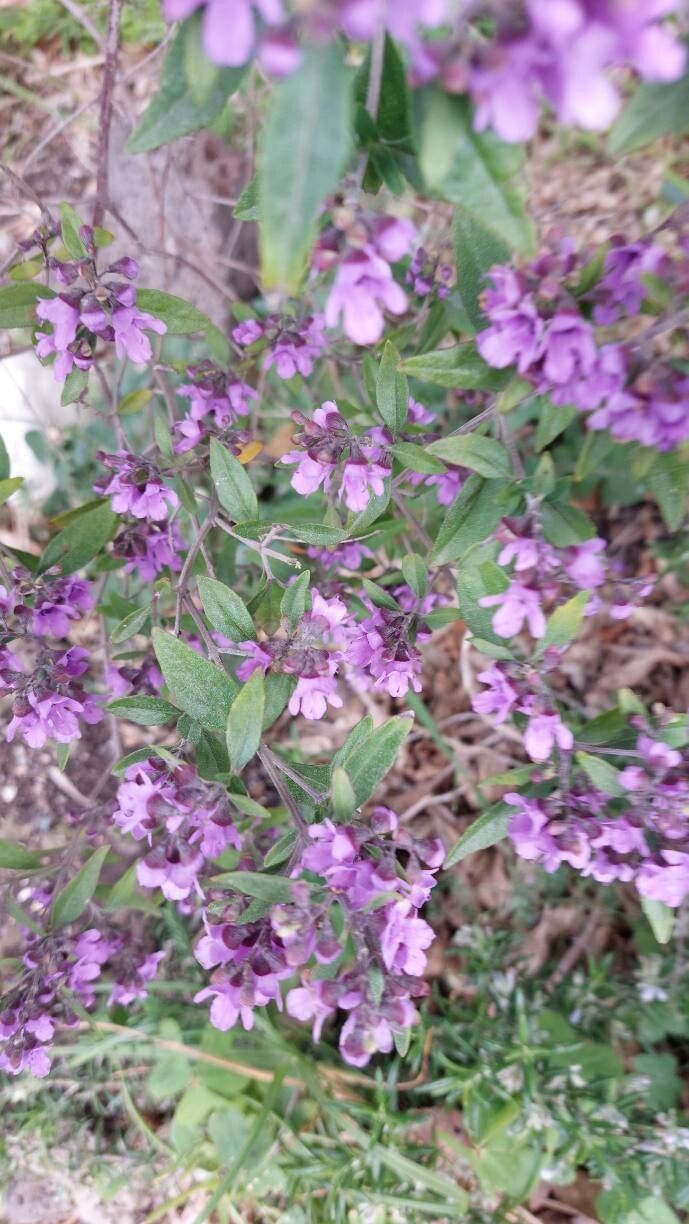
Ah, the Mint Bush. Prostanthera ovalifolia – what a delight! Its delicate, often fragrant, lavender-pink blooms are just stunning, aren’t they? And the scent of its leaves when you brush past… pure aromatherapy in the garden. Growing these beauties from scratch is a truly satisfying endeavor. Now, I’ll be honest, Prostanthera can be a little particular, but with a few key insights, even a newbie can find success. It’s not impossible, just requires a bit of attentive nurturing.
The Best Time to Start
For Prostanthera ovalifolia, the magical time for propagation is usually late spring or early summer. This is when the plant is actively growing, making it more receptive to taking root. We’re looking for what we call semi-hardwood cuttings. These are stems that have started to firm up but haven’t become fully woody and rigid. Think of it as that perfect stage where the stem still has a bit of flexibility.
Supplies You’ll Need
Gathering your tools before you begin always makes the process smoother:
- Sharp pruning shears or a clean knife: For making nice, clean cuts.
- Rooting hormone powder or gel: This is really helpful for giving your cuttings a boost.
- A well-draining potting mix: I like to use a blend of equal parts peat moss or coco coir, perlite, and a touch of sand. Commercial seed-starting mixes also work well.
- Small pots or trays with drainage holes: Cleanliness is key here!
- Clear plastic bags or a propagator with a lid: To create a humid environment.
- Watering can with a fine rose or a spray bottle: For gentle watering.
Propagation Methods: Stem Cuttings
This is my go-to method for Prostanthera. It’s the most reliable way to get new plants that are true to the parent.
- Select Your Cuttings: Find healthy, non-flowering shoots on your Prostanthera. About 4-6 inches long is ideal.
- Make the Cut: Using your sharp secateurs or knife, make a clean cut just below a leaf node. A leaf node is where a leaf joins the stem.
- Prepare the Cuttings: Gently remove the lower leaves, leaving the top 2-3 sets intact. If the remaining leaves are very large, you can even pinch them in half to reduce water loss.
- Apply Rooting Hormone: Dip the cut end of each stem into your rooting hormone. Tap off any excess – you don’t want a big clump.
- Pot Them Up: Fill your clean pots with your prepared potting mix. Make a small hole with a pencil or dibber for each cutting. Insert the prepared cuttings into the holes, ensuring the leaf nodes are buried in the soil, as this is where roots will form. Gently firm the soil around each cutting.
- Water Gently: Water the soil thoroughly but gently so it’s moist, not waterlogged.
- Create Humidity: Cover the pots with a clear plastic bag, a propagator lid, or even a cut plastic bottle. Make sure the bag isn’t touching the leaves too much. This creates a humid microclimate that encourages rooting.
The “Secret Sauce” (Pro Tips)
Here are a couple of things I’ve learned over the years that can make a difference:
- Bottom Heat is Your Friend: Prostanthera love a bit of warmth from below. Placing your pots on a heat mat designed for cuttings can significantly speed up rooting and improve success rates. It mimics the warmth of spring soil.
- Don’t Overwater, But Keep Moist: This is a tricky balance! The soil should feel consistently damp, like a wrung-out sponge, but never soggy. Overwatering is the quickest way to invite rot. A light misting of the leaves daily can also be beneficial, especially if you’re not using a propagator.
- Patience with the Airflow: Once you see signs of rooting, it’s tempting to remove the plastic cover immediately. Instead, gradually acclimatize them to drier air by opening the propagator or making small holes in the plastic bag for a few days. This prevents shock.
Aftercare & Troubleshooting
Once you see new leaf growth or feel a gentle tug when you lightly pull on a cutting (usually after 4-8 weeks), you know they’ve rooted!
- Continued Care: Keep them in their pots in a bright, but not direct, sunny spot. Continue to water them gently when the surface of the soil starts to dry out.
- Watch for Rot: The most common problem is rot. If a cutting turns black and mushy, it’s usually a sign of too much moisture and not enough airflow. Unfortunately, for that particular cutting, it’s often a lost cause. Remove it and check the moisture levels of the others.
- Transplanting: When the new plants have developed a good root system and are showing sturdy growth, you can carefully transplant them into slightly larger pots with a good quality potting mix.
And there you have it! Growing your own Prostanthera ovalifolia is a joy. Don’t be discouraged if your first attempt isn’t perfect. Gardening is a journey of learning and growing alongside our plants. Be patient, be observant, and most importantly, enjoy the process of bringing more beauty into your world. Happy propagating!
Resource:
https://identify.plantnet.org/k-world-flora/species/Prostanthera%20ovalifolia%20R.Br./data