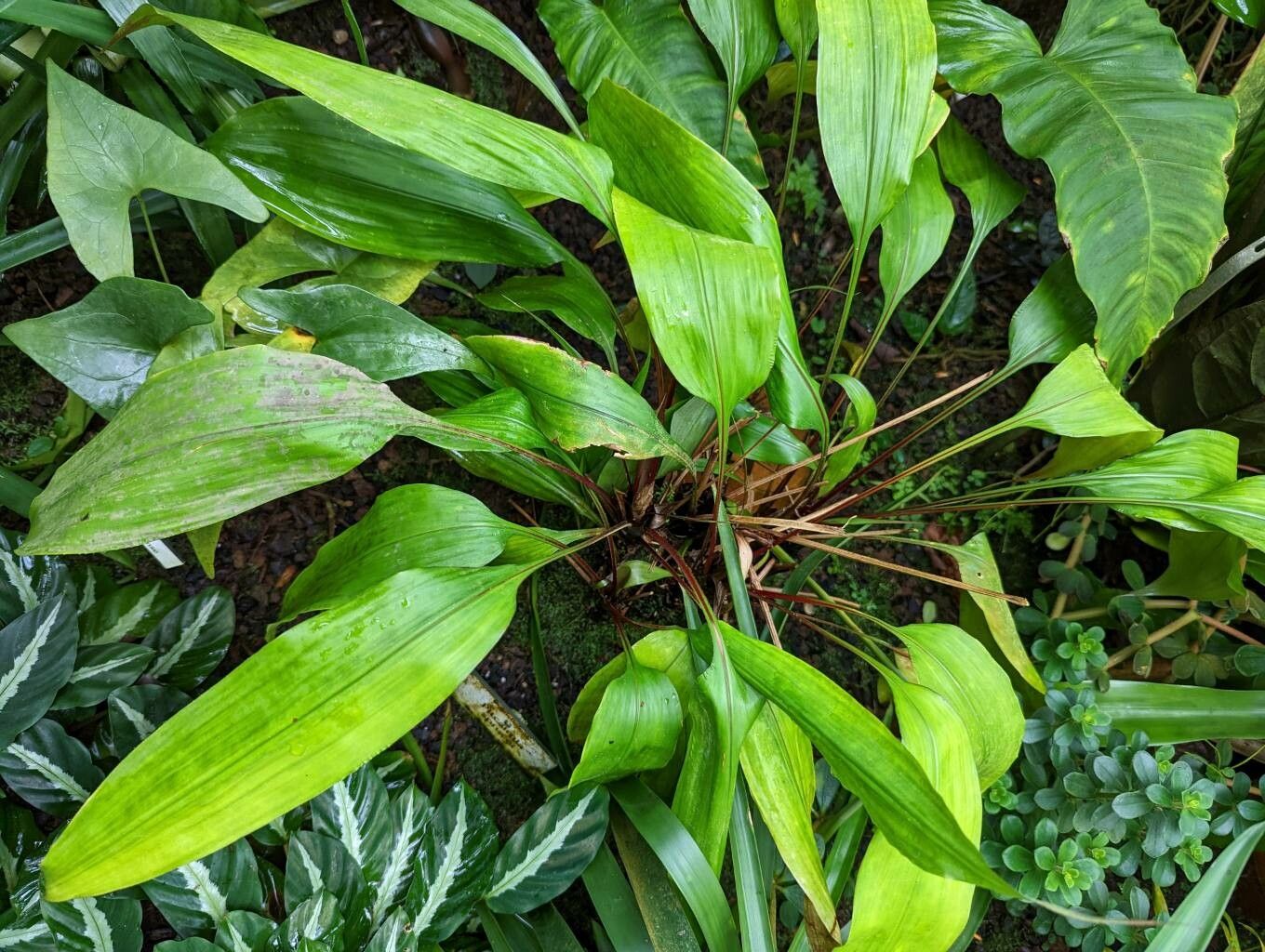
Hello there, fellow plant enthusiasts! It’s wonderful to have you join me in my little corner of the garden. Today, we’re diving into the fascinating world of Pitcairnia sprucei, a truly striking bromeliad that adds a touch of elegance with its architectural foliage and vibrant bloom spikes.
Why Propagate Pitcairnia sprucei?
I’ve always found the act of growing a new plant from a piece of an old one incredibly rewarding. It’s like unlocking a little piece of nature’s magic! Pitcairnia sprucei is a bit of a treasure, and propagating it allows you to share its beauty or simply expand your own collection without breaking the bank. Now, if you’re a beginner, I’d say Pitcairnia sprucei falls into the moderately challenging category. It’s not as straightforward as a succulent, but with a little attention and the right approach, you’ll be successful.
The Best Time to Start
For Pitcairnia sprucei, the absolute best time to think about propagation is during its active growing season. This generally falls within the late spring and summer months. During this period, the plant is energized and has the resources to put forth new growth and establish roots more readily. Starting right after it has finished flowering can also be a great opportunity, as it’s often producing offshoots then.
Supplies You’ll Need
Gathering your supplies beforehand makes the entire process much smoother. Here’s what I recommend:
- Well-draining potting mix: A blend of orchid bark, perlite, and a bit of coco coir works wonders. You want it airy and fast-draining to prevent rot.
- Clean, sharp pruning shears or a knife: For making clean cuts.
- Small pots or trays: Clean containers that are proportionate to the cuttings.
- Rooting hormone (optional but recommended): A powdered or liquid rooting hormone can give your cuttings a significant boost.
- Spray bottle with water: For misting.
- Clear plastic bag or propagation dome: To create a humid environment.
- Gravel or perlite (optional): For drainage in the bottom of pots.
Propagation Methods: Getting Started
Pitcairnia sprucei typically propagates best through division and pups (or offsets). Let’s explore these:
1. Division (The Most Reliable Method)
This is my go-to for Pitcairnia sprucei. The plant naturally clumps, and gently separating these clumps is usually the easiest way to get new plants.
- Gently remove the parent plant from its pot. If it’s in the ground, carefully excavate around its base.
- Inspect the root ball. You’re looking for distinct crowns or separate growth points that are attached to the main root system.
- Using clean shears or even your hands, carefully separate the sections. Try to get as much of the root system intact as possible with each division. If they are stubborn, a sharp knife is your friend.
- Allow the cut surfaces to callus over for a few hours to a day. This helps prevent rot. Letting them air dry in a bright spot, but out of direct sun, is perfect.
- Pot up the divisions into their own small pots filled with your well-draining mix. Again, don’t bury them too deeply.
2. Propagating Pups (Offsetting)
Pitcairnia sprucei will often produce little baby plants, called pups, around its base.
- Wait for the pups to be a decent size. I like to see them with at least a few leaves and, ideally, their own small root system starting to form. You can often gently wiggle them to see if they’re ready to detach.
- Carefully reach around the base of the pup. Gently twist and pull to detach it from the mother plant. Sometimes, you might need to use your clean knife to sever the connection if it’s too tough.
- Callus over the wound for a few hours, just like with divisions.
- Pot up the pup in its own small container with your special potting mix.
The “Secret Sauce” (Pro Tips)
Here are a few little tricks I’ve learned over the years that can really make a difference:
- Don’t waterlog: This is critical for Pitcairnia sprucei. They detest sitting in soggy soil. Ensure your pots have excellent drainage and that you let the potting mix dry out slightly between waterings, especially once your cuttings have rooted.
- Embrace the humidity, but watch the leaves: While a humid environment is great for encouraging root growth, try to keep the leaves themselves from sitting in constantly wet conditions. If you’re using a plastic bag, prop it up so there’s good airflow and the leaves aren’t pressed directly against the plastic. Rot can set in quickly if leaves stay damp.
- A touch of bottom heat: If you’re propagating in a cooler spot, placing your pots on a gentle heat mat can significantly speed up root development. Aim for a consistent temperature around 70-75°F (21-24°C). This warmth encourages the plant’s natural rooting processes.
Aftercare & Troubleshooting
Once your Pitcairnia sprucei divisions or pups have started to form roots – you might see new leaf growth or feel a gentle tug when you lightly pull on the plant – it’s time to switch gears slightly.
- Gradually acclimate them. If they’ve been under a dome or plastic, start opening it up a little each day to let them get used to your home’s humidity levels.
- Water when the top inch of soil feels dry. Still be cautious not to overwater.
- Provide bright, indirect light. A spot near an east-facing window is often ideal.
Now, what if things go wrong? The most common culprit is rot. You’ll see the leaves turning mushy, yellow, or brown, and it will often have an unpleasant smell. This is almost always due to overwatering and poor drainage. If you spot rot early, you might be able to salvage a healthy piece by cutting away the diseased parts and repotting the healthy section, ensuring it dries out properly. If it’s widespread, sadly, the cutting may be lost. Don’t be discouraged! It happens to all of us.
Happy Growing!
Propagating Pitcairnia sprucei is a rewarding journey. Be patient with your new plants. They might take their time putting on new growth, but with a little consistent care and attention, you’ll have beautiful new specimens to enjoy. Happy propagating, and may your garden thrive!
Resource:
https://identify.plantnet.org/k-world-flora/species/Pitcairnia%20sprucei%20Baker/data