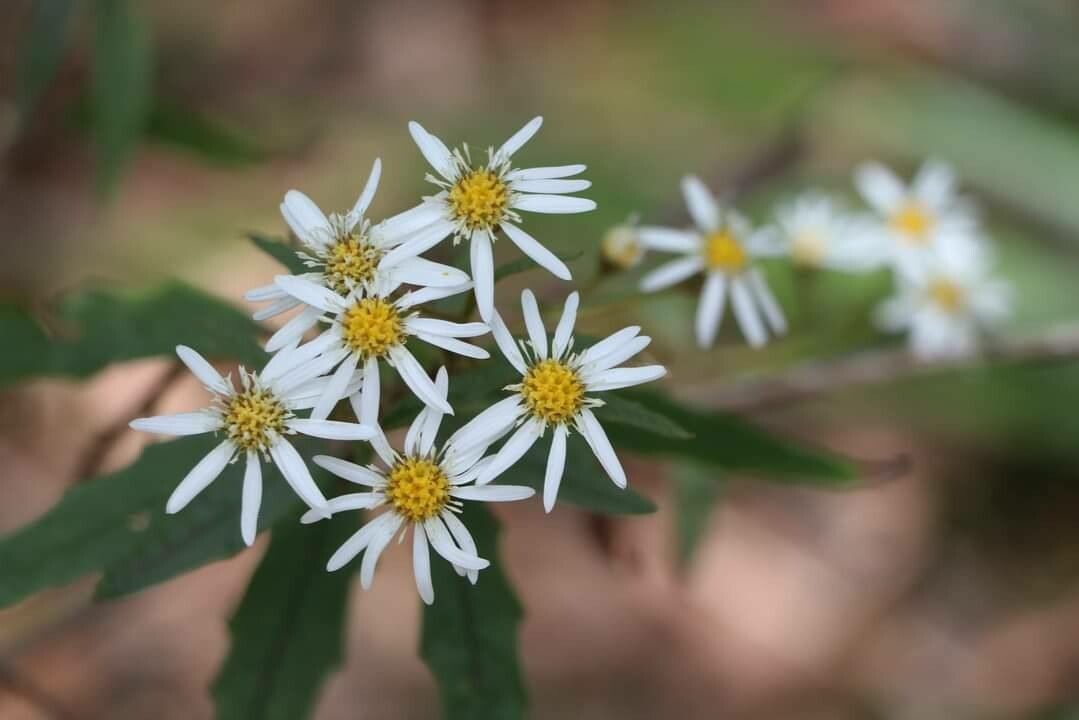
Oh, hello there! Pull up a chair, let’s talk about Olearia gravis. If you’ve ever admired those stunning, often fragrant, daisy-like flowers that seem to just burst with color on a shrub, you’ve likely encountered an Olearia. And Olearia gravis? Well, she’s a real stunner. Their foliage can be just as interesting, often silvery or grey, adding texture and intrigue even when not in bloom. Propagating them, I’ve found, is a deeply satisfying endeavor. It’s how you get more of that garden magic to take home, share with friends, or fill in those bare spots. Now, for the beginners thinking about giving it a go, I’d say Olearia gravis is moderately easy. It’s not foolproof, but with a little attention, you’ll be rewarded handsomely.
The Best Time to Start
My favorite time to get started with Olearia gravis is in late spring to early summer. This is when the plant is actively growing and has plenty of young, pliable stems ready to go. Think of it as their peak energy time – they’re primed and ready to embrace new beginnings. You’re looking for stems that are soft and bendy, not old, woody bits. These are often called “semi-hardwood” cuttings, and they strike a lovely balance between flexibility and the ability to root.
Supplies You’ll Need
Let’s get our workspace ready, shall we? Here’s what will make propagating your Olearia gravis a smooth sailing experience:
- Sharp Pruning Shears or a Hobby Knife: Clean cuts are crucial to prevent disease.
- A Good Potting Mix: I personally love a 50/50 blend of perlite and a good quality seed-starting mix. This ensures excellent drainage, which is paramount. You can also find some commercially made propagation mixes that work beautifully.
- Small Pots or a Propagation Tray: Drainage holes are non-negotiable!
- Rooting Hormone (Optional but Recommended): This little helper can significantly boost your success rate. Look for one with IBA (indole-3-butyric acid).
- A Plastic Bag or Clear Dome: This creates a mini-greenhouse effect.
- Water: For misting and watering.
- Labels and a Pen: Trust me, you’ll thank yourself later for labeling your cuttings.
Propagation Methods: Stem Cuttings
This is my go-to method for Olearia gravis. It’s reliable and yields great results.
- Gather Your Cuttings: Using your clean pruning shears, snip off pieces of stem that are about 4-6 inches long. Aim for those healthy, vigorous shoots I mentioned. Make your cut just below a leaf node (where a leaf attaches to the stem).
- Prepare the Cuttings: Gently remove the lower leaves from each cutting, leaving just the top two or three sets of leaves. This prevents them from rotting in the soil. If you are using rooting hormone, dip the cut end into the powder (or gel). Tap off any excess.
- Pot Them Up: Fill your pots or trays with your prepared potting mix. Create a small hole in the center of each pot with your finger or a pencil.
- Plant Your Cuttings: Insert the prepared cuttings into the holes, ensuring the leaf nodes you just cleared are buried in the soil. Gently firm the soil around the base of each stem.
- Water Gently: Give them a good, gentle watering. You want the soil to be moist but not waterlogged.
- Create the Greenhouse: Cover the pots with a plastic bag or a clear propagation dome. This traps humidity, which is vital for the cuttings to develop roots without drying out. Make sure the leaves don’t touch the plastic if possible.
The “Secret Sauce” (Pro Tips)
Now, let me share a couple of things I’ve learned over the years that really make a difference:
- Bottom Heat is Your Friend: If you have access to a heat mat, placing your propagation tray on it can work wonders. Olearia gravis roots much faster and more reliably when the soil temperature is a bit warmer, around 70-75°F (21-24°C). It’s like giving them a warm bed to sprout roots from.
- Avoid Overwatering Like the Plague: This is where many new propagators stumble. The enclosed environment keeps humidity high, so you only need to water sparingly. Check the soil; it should feel slightly damp, not soggy. If you see condensation dripping heavily inside the bag, lift it off for a few hours to let it air out.
Aftercare & Troubleshooting
Once you start seeing tiny white bumps peeking out of the soil or the leaves look perkier and more robust, congratulations! You’ve got roots. It usually takes anywhere from 4-8 weeks, sometimes a bit longer, depending on conditions.
- Acclimatize Them Gradually: Once roots are established, start introducing your new plants to the outside world. For the first week, remove the plastic cover for a few hours each day. Gradually increase the time you leave them uncovered.
- Watering: Continue to keep the soil consistently moist but not soggy. As they grow, you’ll be able to water them on a more regular schedule.
- Repotting: When your cuttings have developed a good root system (you might see roots emerging from the drainage holes), it’s time to move them into slightly larger pots with a good quality potting mix.
What if things aren’t going as planned? The most common issue is rot. If your cuttings turn black and mushy at the base, it’s almost certainly because the soil is too wet and there’s not enough air circulation. If you see this, sadly, that cutting is likely lost. But don’t despair! It’s just a learning curve. Pull out any rotten material so it doesn’t spread.
A Encouraging Closing
Propagating Olearia gravis is a journey, and like all good gardening pursuits, it’s one best enjoyed with patience and a willingness to learn. Don’t be discouraged if your first few attempts aren’t perfect. Every gardener has had their share of “failed” cuttings! The joy of nurturing a tiny piece of a plant into a whole new, thriving specimen is truly something special. So grab your shears, get your hands dirty, and enjoy the process. Happy propagating!
Resource: