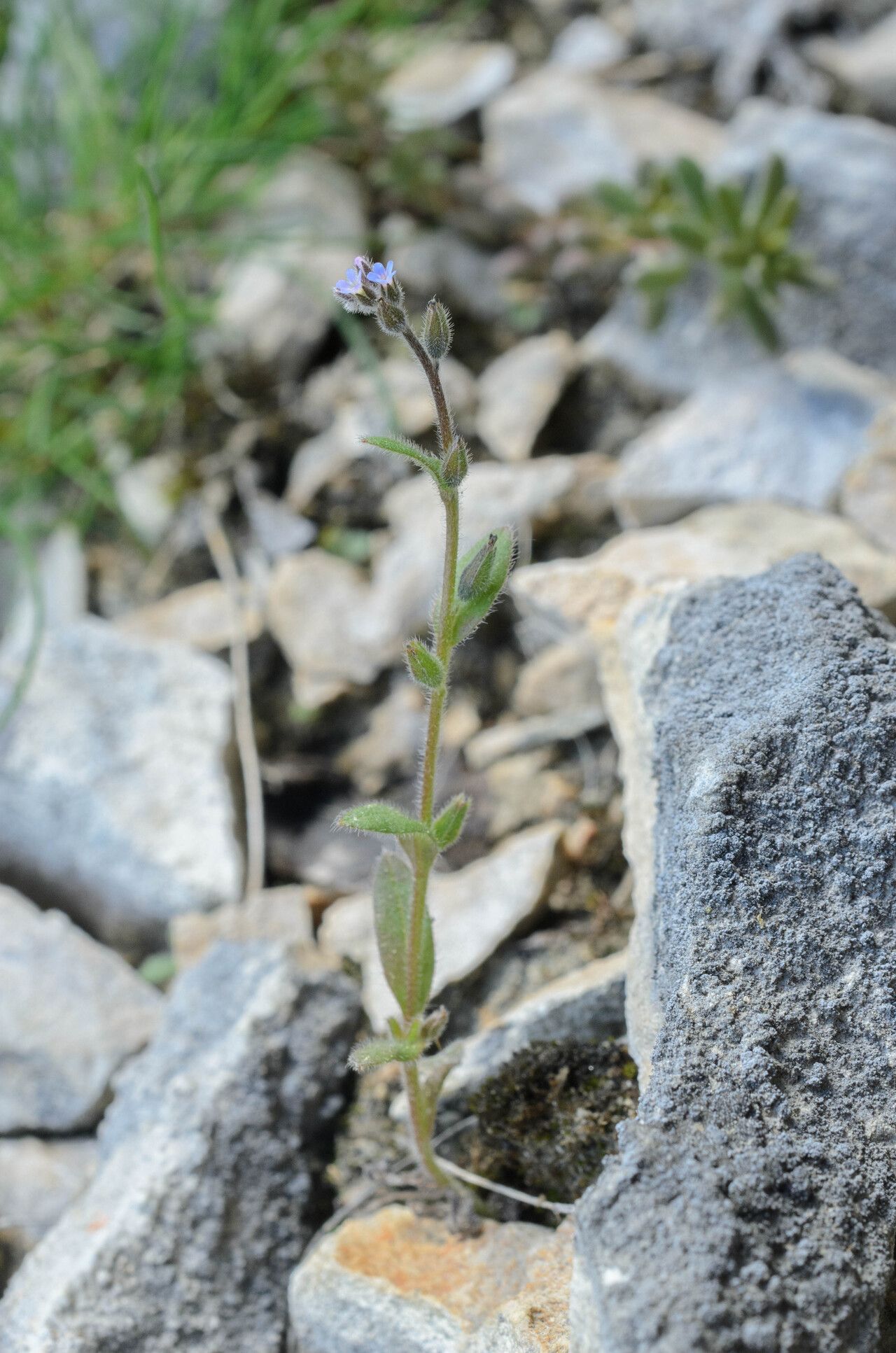
Hello there, fellow plant lovers! Today, we’re diving into the delightful world of Myosotis minutiflora, often called the miniature forget-me-not. If you’ve ever seen these tiny, sky-blue blooms carpeting a shady corner or spilling over a pot, you know their charm. They’re like little jewels in the garden, and the best part? They’re surprisingly easy to share! Propagating them is a wonderfully rewarding way to expand your collection or gift these beauties to friends. For beginners, I’d say this is a very forgiving plant to start with.
The Best Time to Start
When it comes to our miniature forget-me-nots, timing is key for happy roots. The ideal time to propagate is in the spring, as the plant is actively growing after its winter rest. You’re looking for new, non-woody growth. Think tender shoots that are flexible and a vibrant green. You can also try propagating in early summer, but spring usually gives you the best bang for your buck.
Supplies You’ll Need
Gathering your supplies beforehand makes the whole process smooth sailing. Here’s what I usually have on hand:
- Sharp pruning shears or clean scissors: For making clean cuts.
- Well-draining potting mix: A blend of peat moss, perlite, and a bit of compost works wonders. You can also buy specific seed-starting or propagation mixes.
- Small pots or seed trays: Clean ones are crucial to prevent disease.
- Watering can with a fine rose attached: Gentle watering is key.
- Rooting hormone (optional but helpful): Not strictly necessary for Myosotis, but it can speed things up.
- Clear plastic bags or a propagation dome: To maintain humidity.
- Small labels and a marker: So you don’t forget what you planted!
Propagation Methods
Myosotis minutiflora is quite obliging, and several methods work well. I find stem cuttings and division to be the most reliable.
Stem Cuttings:
This is my go-to for increasing my numbers quickly.
- Select your cuttings: Find healthy, non-flowering stems that are about 3-4 inches long. Gently twist or use your clean shears to make a cut just below a leaf node. A leaf node is where a leaf attaches to the stem.
- Prepare the cuttings: Remove any lower leaves, leaving just the top few. This prevents them from rotting in the soil. If you’re using rooting hormone, dip the cut end into it now.
- Plant your cuttings: Fill your small pots with the moistened potting mix. Make a small hole with your finger or a pencil and carefully insert the cutting, ensuring the leaf nodes are buried. Gently firm the soil around it.
- Create a humid environment: Water the soil gently, then cover the pot with a plastic bag or place it under a propagation dome. You want to create a mini greenhouse effect.
- Provide light and warmth: Place the pots in a bright spot out of direct sunlight. A little warmth from a heat mat can accelerate rooting, but it’s not essential for this plant.
Division:
This is a great option if you have an established clump that’s gotten a bit crowded.
- Water the parent plant: A day or two before you plan to divide, give your forget-me-not a good watering. This makes the soil easier to work with and reduces transplant shock.
- Gently lift the plant: Dig around the edges of the clump and carefully lift the entire plant from its pot or the ground.
- Separate the divisions: You can often do this by hand. Gently tease the root ball apart to create smaller sections, each with its own roots and some leafy growth. If the roots are tangled, use your clean trowel or knife to cut through them. Aim for divisions that are at least 2-3 inches across.
- Replant immediately: Get these divisions into their new pots or garden spots as soon as possible. Water them in well.
The “Secret Sauce” (Pro Tips)
Over the years, I’ve picked up a few tricks that make propagation just a little bit easier.
- Don’t crowd your cuttings: Give each cutting space to breathe and grow. If they’re packed too tightly in a tray, they’re more likely to develop fungal issues.
- Bottom heat is your friend: While not always necessary, a gentle warmth from underneath really encourages root development. I use a seedling heat mat, but a sunny windowsill that gets warm might suffice.
- Watch for condensation: If your plastic bag or dome is fogged up constantly, it might be a bit too humid and prone to mold. Just lift the cover for an hour or so to let it air out.
Aftercare & Troubleshooting
Once your cuttings have developed a good root system (you might see roots poking out of the drainage holes, or feel some gentle resistance when you tug lightly), it’s time for a little more independence.
- Acclimatize gradually: Slowly remove the plastic bag or dome over a few days. This helps the new plant adjust to lower humidity.
- Water consistently: Keep the soil consistently moist but not waterlogged. Overwatering is the quickest way to invite trouble.
- Watch for rot: If you see stems turning mushy or black at the base, it’s usually a sign of too much moisture or poor air circulation. Discard any infected cuttings and try to improve the conditions for the healthy ones. Yellowing leaves can sometimes mean too much sun or not enough water.
A Little Patience Goes a Long Way
Propagating any plant is an exercise in patience and observation. Don’t get discouraged if not every cutting takes. Nature has its own rhythm, and with Myosotis minutiflora, you’ve got a great chance of success. Enjoy the process, celebrate every tiny new root, and soon you’ll have a whole garden bursting with these delightful blue blossoms. Happy gardening!
Resource:
https://identify.plantnet.org/k-world-flora/species/Myosotis%20minutiflora%20Boiss.%20&%20Reut./data