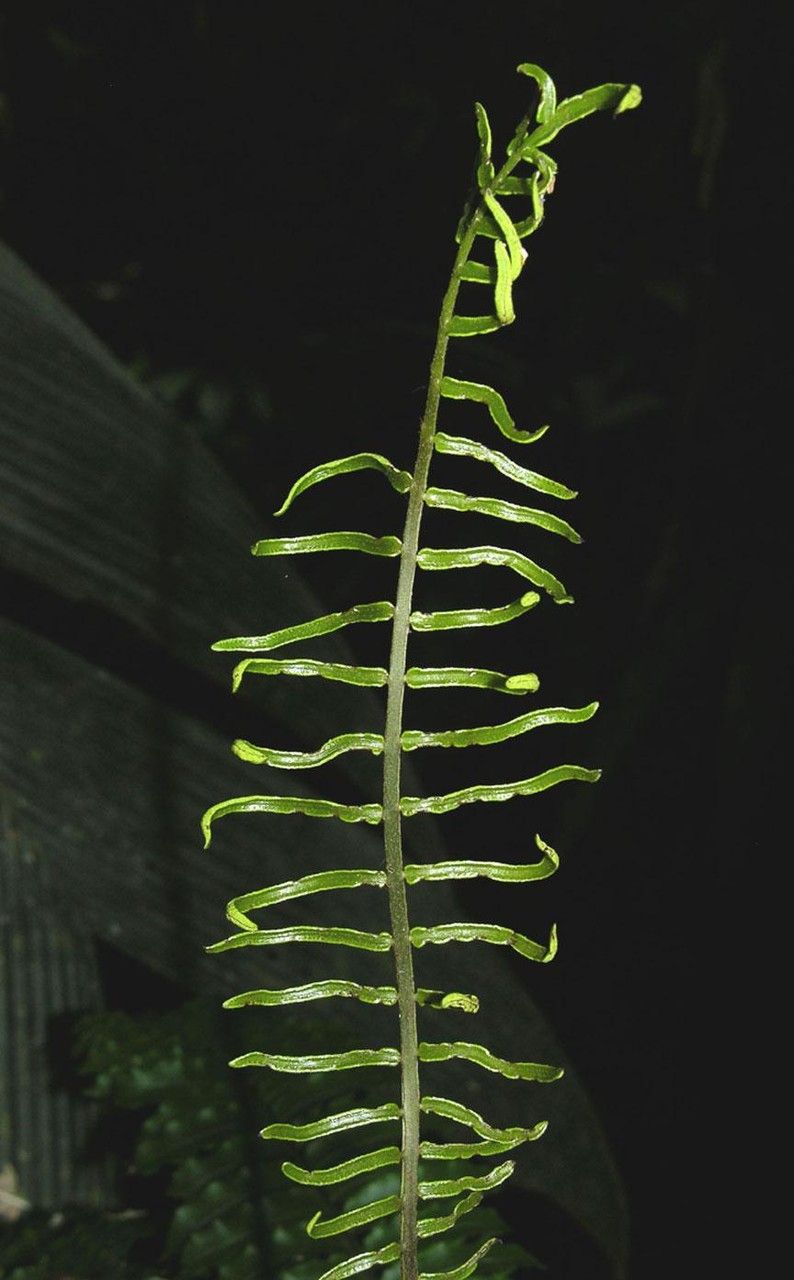
Hello there, fellow plant lovers! Today, I want to chat about a fern that has completely charmed me: Lomariopsis vestita. This beauty, often called the “draping holly fern,” has this incredible ability to cascade, creating such a lush, verdant display. Its intricate fronds are like living lace, and honestly, having a little piece of it to call your own, grown from your own two hands, is incredibly satisfying. Now, if you’re a beginner, I’d say Lomariopsis vestita is a moderate challenge but absolutely achievable with a little patience. It’s a rewarding project that will make you feel like a true botanical wizard.
The Best Time to Start
For the highest chance of success with your Lomariopsis vestita, aim to propagate during its active growing season. This usually means late spring through summer. The plant is bursting with energy then, and new growth is robust and ready to take root. You’ll often see new fiddleheads unfurling vigorously, which is a great indicator that it’s prime time.
Supplies You’ll Need
Before we get our hands dirty, let’s gather our tools. Having everything ready makes the process so much smoother:
- Sterilized sharp pruners or a craft knife: For clean cuts that minimize disease.
- Well-draining potting mix: I like a blend of coco coir, perlite, and a bit of orchid bark for my ferns.
- Small pots or propagation trays: Clean ones are key!
- Rooting hormone (optional but recommended): A powder or gel will give your cuttings a boost.
- Plastic bags or a mini greenhouse: To maintain high humidity.
- Spray bottle: For misting.
- Water: Clean, room-temperature water.
- Labels and a marker: To keep track of your projects!
Propagation Methods
Lomariopsis vestita is best propagated through division and stem cuttings. Let’s dive into how to do each:
Division
This is my favorite method for Lomariopsis vestita because it’s straightforward and usually gives you multiple new plants.
- Gently remove the parent plant from its pot. You want to disturb the roots as little as possible, but also get a good look at the root ball.
- Inspect the base of the plant. Look for natural separations where new shoots are emerging from the crown or rhizome.
- Using your sterilized pruners or a clean knife, carefully separate a section that has at least a few healthy fronds and a good clump of roots. Don’t be afraid to be decisive but gentle.
- Pot up each division into its own small pot filled with your well-draining mix. Make sure the crown (where the fronds emerge) is at or slightly above the soil line.
- Water gently to settle the soil. Then, place these newly potted divisions in a warm spot with indirect light and high humidity.
Stem Cuttings
This method takes a bit more care but can be very successful.
- Select a healthy, vigorous frond that has a bit of stem attached. You want a cutting that looks sturdy, not flimsy.
- Using your sterilized pruners, make a clean cut just below a node (where a leaflet or bud is or was). You’re essentially taking a piece of the stem with the frond.
- If you’re using rooting hormone, dip the cut end into the powder or gel. Follow the product’s instructions.
- Insert the cut end into your pre-moistened potting mix. Make sure the node is buried. You can insert a few cuttings together in one pot.
- Cover the pot with a plastic bag or place it in a propagator to create a humid environment. Poke a few holes in the bag for ventilation if it gets too steamy.
- Place in a warm spot with bright, indirect light. Avoid direct sun, which can scorch the delicate cuttings.
The “Secret Sauce” (Pro Tips)
Here are a few little tricks I’ve picked up over the years for Lomariopsis vestita:
- Humidity is your best friend. Ferns absolutely adore moisture in the air. After potting up divisions or cuttings, I always mist them lightly and then ensure their enclosure stays consistently humid. A clear plastic bag works wonders, but don’t seal it completely – a tiny bit of air exchange is good.
- Bottom heat is a game-changer for cuttings. If you have a seedling heat mat, placing your propagation tray on it can significantly speed up root development. It mimics the warmth of the soil surface and really encourages those roots to form. Just don’t let it get too hot; consistently warm, not hot, is the goal.
- Don’t rush the “pull test.” When you’re trying to see if cuttings have rooted, resist the urge to tug them out. Instead, give them a very gentle wiggle. If there’s resistance, it means roots are forming. For divisions, it’s obvious when new growth emerges from the crown.
Aftercare & Troubleshooting
Once you see signs of new growth – be it a tiny fiddlehead emerging from your cutting or new fronds from your division – you’ve succeeded! Continue to keep the soil consistently moist but not waterlogged. Slowly start to acclimate your new plants to lower humidity by gradually opening the plastic bags or propagator over a week or two.
The most common issue you might face is rot. If you see stems turning mushy or black, or if your cuttings simply wither away without rooting, it’s usually a sign of too much moisture and not enough air circulation. Make sure your potting mix is airy and that you’re not overwatering. Sterilizing your tools is also crucial to prevent fungal infections.
A Encouraging Closing
Propagating Lomariopsis vestita is such a rewarding journey. It might take a little patience, and there might be a learning curve, but seeing those new fronds uncurl makes all the effort worthwhile. So grab your pruners, find a healthy specimen, and get growing! Enjoy the process, and soon you’ll have a whole collection of these beautiful draping ferns. Happy gardening!
Resource:
https://identify.plantnet.org/k-world-flora/species/Lomariopsis%20vestita%20Fourn./data