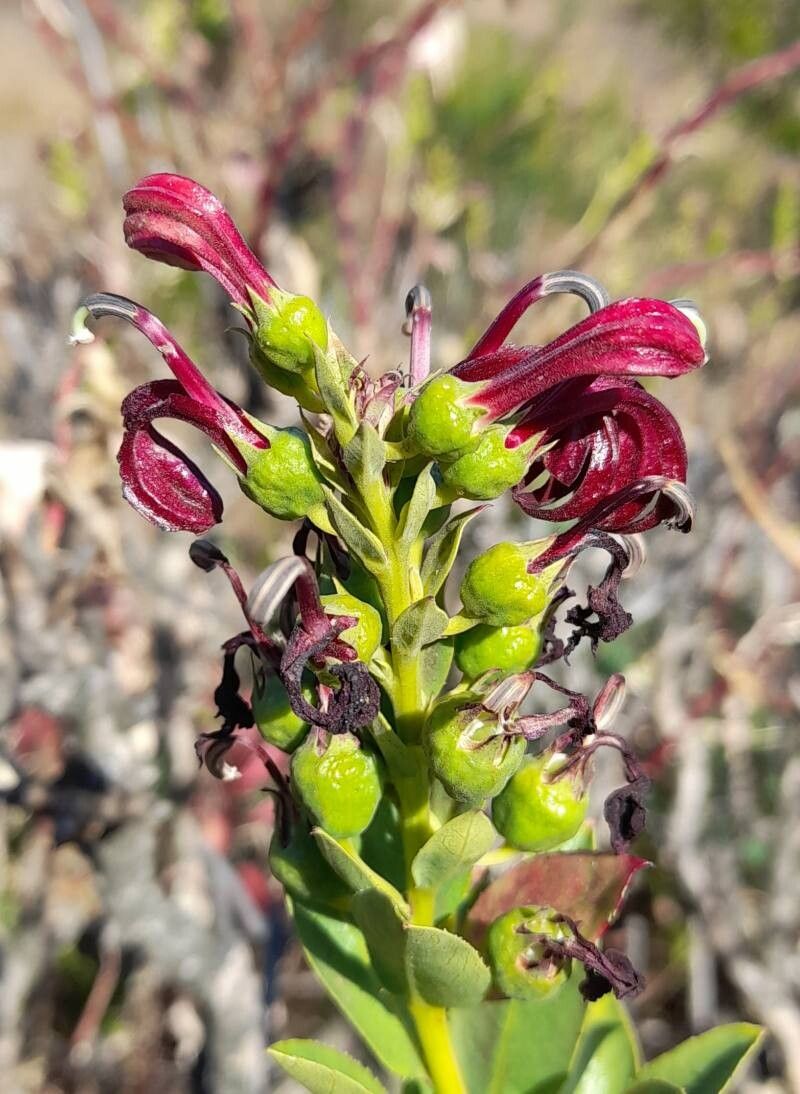
Oh, Lobelia polyphylla! What a delightful plant to have gracing your garden. I remember the first time I saw its cascades of vibrant blue – pure magic. It’s one of those plants that really brightens up a dull corner or spills beautifully from a hanging basket. And the best part? It’s surprisingly rewarding to share that magic by propagating it yourself. For beginners, I’d say it falls into the “moderately easy” category. It’s not as fuss-free as some succulents, but with a little attention, you’ll be creating new plants in no time.
The Best Time to Start
My favorite time to get busy with propagating Lobelia polyphylla is in the late spring or early summer. This is when the plant is actively growing and has plenty of fresh, tender shoots that respond beautifully to rooting. Waiting until your established plant has put on a good burst of growth means you’ll have lots of healthy material to work with.
Supplies You’ll Need
Gathering your tools beforehand makes the whole process smoother. Here’s what I usually have on hand:
- Sharp pruning shears or a clean craft knife: For taking clean cuttings.
- Rooting hormone (powder or liquid): This is a real confidence booster for cuttings, encouraging faster root development.
- Well-draining potting mix: I like a blend of peat moss, perlite, and a bit of compost. A commercial seed-starting mix also works well.
- Small pots or trays: Clean and with drainage holes are essential.
- Plastic bags or propagation domes: To create a humid environment for your cuttings.
- Watering can with a fine rose or a spray bottle: For gentle watering.
Propagation Methods
Lobelia polyphylla is a superstar when it comes to taking stem cuttings. It’s my go-to method, and I find it yields the best results for this particular beauty.
1. Taking Cuttings:
First, identify healthy, non-flowering stems. Look for shoots that are about 4-6 inches long. Using your sharp pruning shears or knife, make a clean cut just below a leaf node. A leaf node is where a leaf attaches to the stem. This is where the magic of root formation is most likely to happen. Remove the lower leaves from the cutting, leaving just a few at the top. This prevents them from rotting in the soil and reduces water loss.
2. Applying Rooting Hormone:
Dip the cut end of each prepared stem into your rooting hormone. Gently tap off any excess. This step isn’t always strictly necessary, but I find it significantly speeds things up and increases my success rate.
3. Planting the Cuttings:
Fill your small pots or trays with your pre-moistened potting mix. Make a small hole in the center of the soil with a pencil or your finger. Carefully insert the cut end of the stem into the hole, ensuring the leaf nodes that were below the soil line are covered. Gently firm the soil around the base of the cutting.
4. Creating a Humid Environment:
This is crucial for stem cuttings. Water the soil gently until it’s evenly moist, but not soggy. Then, cover each pot with a clear plastic bag, or place the tray inside a propagation dome. This creates a mini-greenhouse effect, keeping humidity high and preventing the cuttings from drying out before they can root.
The “Secret Sauce” (Pro Tips)
Here are a couple of tricks I’ve picked up over the years that really help my Lobelia polyphylla cuttings thrive:
- Think about the air circulation: While you want humidity, you don’t want stagnant air, as that can lead to fungal issues. I often poke a few small holes in the plastic bags after a few days, or lift the lid of the propagation dome for a few minutes each day to allow for fresh air exchange.
- Consider a little warmth: Lobelia polyphylla roots much faster when it has a bit of warmth from below. If you have a heat mat designed for propagation, placing your pots on it can make a world of difference, especially in cooler weather.
Aftercare & Troubleshooting
Once your cuttings have rooted (you’ll usually see new leaf growth appearing, or you can gently tug on the stem and feel resistance), it’s time to transition them. Gradually remove the plastic bag or dome over a week or so to acclimate them to drier air. Continue to water them when the top inch of soil feels dry.
The most common issue I see is rot. If your cuttings look mushy, dark, or are falling apart, it’s usually a sign of too much moisture and poor drainage, or a lack of air circulation. This is why a well-draining mix is so important. If you catch rot early, you might be able to salvage healthy parts by taking fresh cuttings.
A Little Patience Goes a Long Way
Propagating plants is a beautiful dance with nature. Don’t get discouraged if every single cutting doesn’t make it. Celebrate the ones that do! The satisfaction of watching a tiny cutting transform into a thriving plant is immense. Enjoy the process, and before you know it, you’ll have plenty of vibrant blue Lobelia polyphylla to share or plant throughout your garden. Happy propagating!
Resource:
https://identify.plantnet.org/k-world-flora/species/Lobelia%20polyphylla%20Hook.%20&%20Arn./data