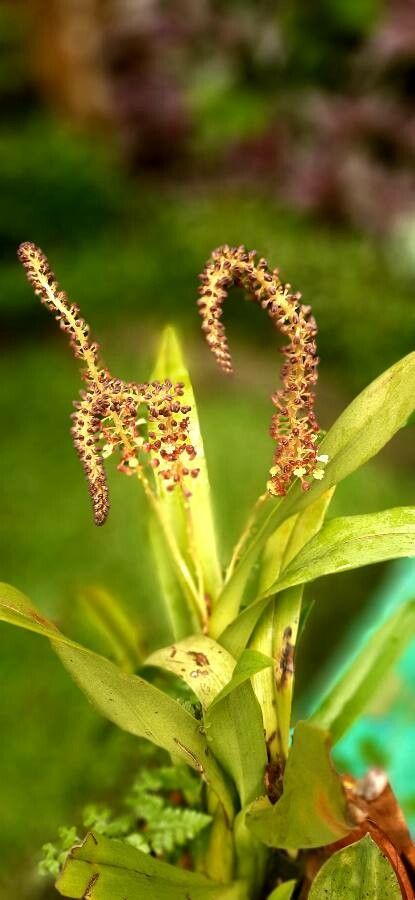
Oh, hello there! So wonderful to have you join me in my little green corner of the internet. Today, we’re diving into the delightful world of propagating Liparis condylobulbon. If you’ve ever marveled at its intricate blooms and graceful growth, you know what a treat this orchid is. And let me tell you, coaxing new life from an existing plant is one of the most rewarding feelings in gardening. While Liparis condylobulbon might seem a bit exotic, propagating it isn’t as daunting as you might think, though it does require a bit of patience and a gentle touch. It’s a project that truly connects you to the plant’s life cycle.
The Best Time to Start
For Liparis condylobulbon, the sweet spot for propagation is during its active growing season. Think spring or early summer. This is when the plant has plenty of energy reserves to put into developing new roots and shoots. You’ll want to see signs of new growth, perhaps a fresh pseudobulb or a developing leaf, before you make your move. Starting when the plant is actively pushing out new life means it’s already primed for success.
Supplies You’ll Need
Gathering your tools beforehand makes the whole process so much smoother. Here’s what I like to have on hand:
- Sharp, sterile pruning shears or a clean knife: For making precise cuts.
- Good quality orchid potting mix: I usually opt for a bark-based mix with plenty of perlite for excellent drainage.
- Clean pots or trays: Make sure they have drainage holes!
- Rooting hormone (optional but helpful): A powder or gel can give new cuttings a little boost.
- Sphagnum moss (optional): Can be useful for maintaining humidity.
- A spray bottle: For gentle misting.
- Clear plastic bags or a propagation dome: To create a humid environment.
Propagation Methods
While Liparis condylobulbon can be a bit specific, the most reliable method for home growers is typically division. This is when you gently separate a mature plant into smaller pieces, each with its own roots and growth points.
Here’s how I approach it:
- Gently remove the plant from its pot. If it’s really stuck, you might need to gently squeeze the sides of the pot or even slice around the edge with a knife if it’s a plastic pot.
- Carefully clean away most of the old potting mix. I like to use my fingers or a soft brush. This allows you to see the rhizomes and where the plant is naturally dividing itself.
- Identify natural divisions. Look for sections of the rhizome (the creeping stem) that have at least two to three healthy pseudobulbs attached. These should have their own roots.
- Using your sterile shears or knife, make a clean cut to separate the divisions. Try to ensure each piece has a good portion of healthy roots.
- Allow the cut surfaces to air dry for a day or two. This is crucial to prevent rot. You want to see that cut surface callus over a bit.
- Pot up each division. Plant them in their new pots filled with fresh orchid mix, ensuring their roots are nestled in. The top of the rhizome should be at or just slightly above the surface of the mix.
- Water lightly, just enough to settle the mix. Avoid saturating the roots in the first few days.
The “Secret Sauce” (Pro Tips)
Here are a few things I’ve learned over the years that make a big difference:
- Don’t rush the roots. Patience is absolutely key with orchids. Resist the urge to constantly poke at the divisions to check for roots. They’ll tell you when they’re ready by starting to grow!
- “Bottom heat” is your friend. Placing your newly potted divisions on a heat mat set to a gentle warmth (around 70-75°F or 21-24°C) can significantly encourage root development. It mimics the cozy conditions orchids love.
- Humidity is king, but ventilation is queen. While you want to create a humid environment by covering your pots with plastic bags or a dome, make sure to “burp” them daily for a few minutes. This allows fresh air to circulate and prevents fungal issues.
Aftercare & Troubleshooting
Once your divisions are potted, keep them in bright, indirect light and maintain consistent but not soggy moisture. Misting the leaves lightly can help them stay hydrated until their roots are established.
The most common issue you’ll face is rot. If you see a pseudobulb turning black and mushy, or leaves wilting dramatically and falling off without new growth appearing, it’s likely rot. This usually stems from overwatering or poor air circulation. If you suspect rot, you might need to unpot the affected division, trim away any rotted parts with your sterile tool, and let it air dry thoroughly before repotting in fresh, dry mix. It’s a tough lesson, but sometimes it’s about salvaging what you can to try again.
A Encouraging Closing
Propagating plants is an act of faith. You’re trusting in nature’s resilience and giving a little nudge to help it along. Be patient with your Liparis condylobulbon divisions. Some will take off immediately, while others might need a bit more time to settle in. Enjoy the process of nurturing new life, and celebrate each tiny milestone. Happy growing, my friends!
Resource:
https://identify.plantnet.org/k-world-flora/species/Liparis%20condylobulbon%20Rchb.f./data