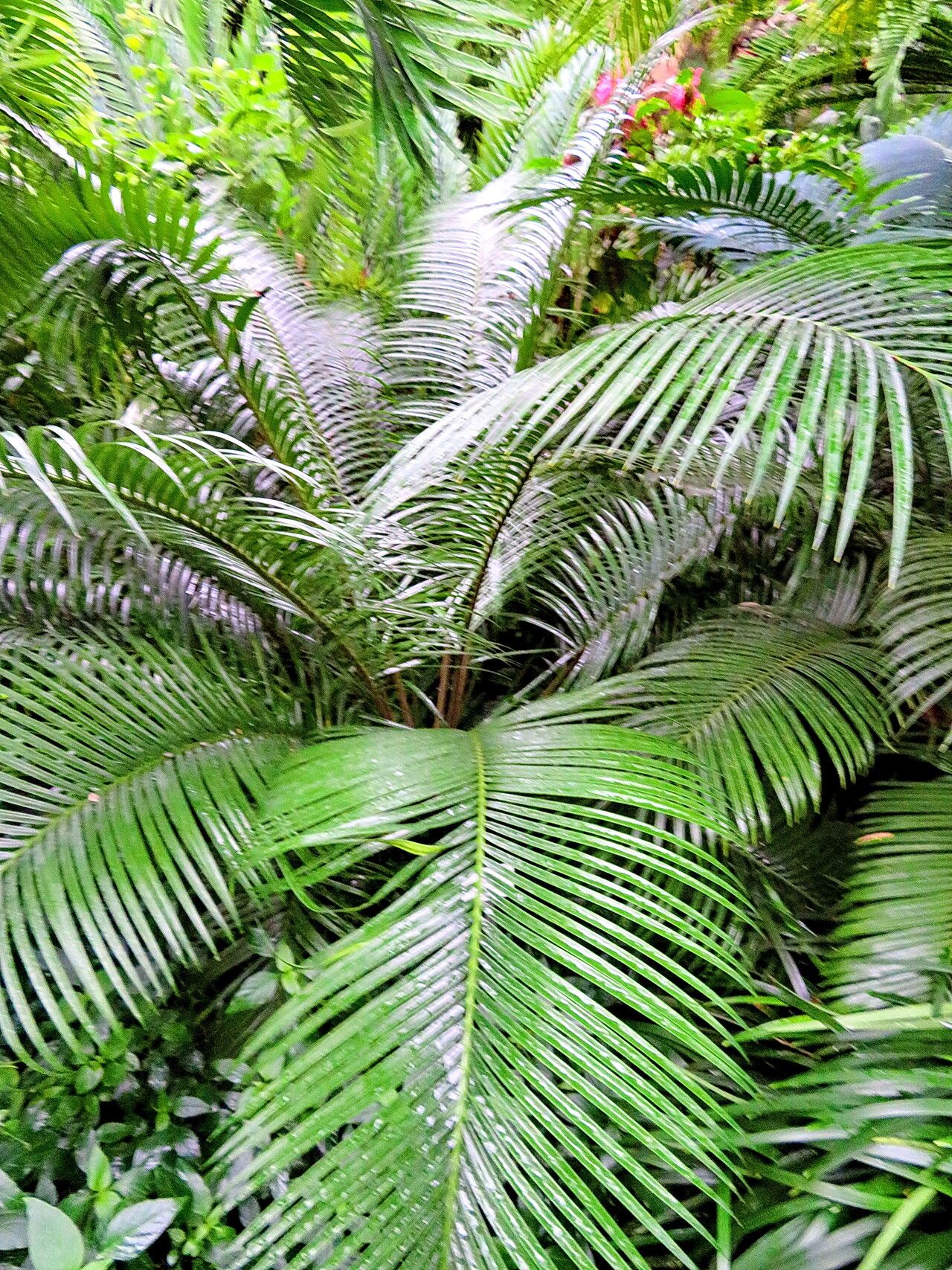
Ah, the majestic Lepidozamia peroffskyana. If you’ve ever seen one of these beauties in person, you know why they’re so captivating. Those grand, arching fronds have a prehistoric elegance that truly makes a statement in any garden or home. And the idea of creating more of them? Well, that feels like a real horticultural accomplishment, doesn’t it? It’s a way to share a piece of that ancient charm, and it’s incredibly rewarding to watch a tiny new plant emerge from your efforts.
Now, let’s talk about getting started. Is it a walk in the park? Honestly, Lepidozamia peroffskyana can be a tad more patient than, say, a philodendron cutting dropped in water. It’s not difficult, but it requires a bit of understanding and the right touch. I wouldn’t say it’s the absolute easiest plant for a total beginner to propagate, but with a little guidance, you can absolutely have success.
The Best Time to Start
For propagation, timing is everything with these cycads. You’ll want to focus your efforts during their active growing season. This typically falls in the late spring through early summer. During this period, the plant is full of vigor, and any new growth or divisions will be eager to establish themselves. Attempting propagation when the plant is dormant, usually in fall or winter, will significantly lower your chances of success.
Supplies You’ll Need
Before you dive in, gather your tools. Having everything ready makes the process much smoother.
- Sharp, sterilized pruning shears or a clean knife: For making clean cuts. Sterilize with rubbing alcohol.
- Well-draining potting mix: I like a blend of coarse sand, perlite, and a good quality potting soil. Something that doesn’t hold excess moisture is key.
- Rooting hormone (optional but recommended): A powder or gel type will work well. It really gives your cuttings a boost.
- Small pots or propagation trays: With drainage holes, of course!
- Gloves: Cycads can have sharp edges.
- A small trowel or dibber: For making holes in the soil.
- Watering can with a fine rose: To water gently.
- Bottom heat source (optional but highly beneficial): A seedling heat mat can significantly speed up root development.
Propagation Methods
Lepidozamia peroffskyana is primarily propagated through division, as it tends to produce offsets (pups) from its base. While stem cuttings aren’t really a viable method for this type of plant, successfully dividing and propagating those offsets is the way to go.
Division of Offsets (Pups):
- Assess your mature plant: Look for any new growth emerging from the base of the main trunk. These are your pups. They should ideally be at least a few inches tall and have their own small set of fronds.
- Gently excavate: Carefully clear away some of the soil around the base of the pup you intend to remove. You want to see where it’s attached to the mother plant.
- Make the cut: Using your sharp, sterilized pruning shears or knife, make a clean cut to separate the pup from the mother plant. Try to get as much of its base as possible, including any tiny root structures that might be present. Don’t be afraid to get in there, but be mindful of damaging the main plant or the pup.
- Allow to callus: This is a crucial step! Place the separated pup in a warm, dry, and shaded location for a few days to a week. You want the cut surface to dry out and form a callus. This prevents rot when you plant it.
- Potting up: Once callused, fill your small pot with your well-draining potting mix. Make a hole in the center with your dibber or trowel, large enough for the base of the pup.
- Plant the pup: Gently place the callused end of the pup into the hole and backfill with soil, firming it gently around the base. You want the pup to be stable.
- Initial watering: Water very sparingly at first. You don’t want to saturate the soil. A light misting or a very gentle watering is best.
The “Secret Sauce” (Pro Tips)
Here are a few things I’ve learned over the years that make a real difference:
- Don’t Rush the Callusing: I can’t stress this enough. That dry, callused surface is your pup’s best defense against rot. If it’s feeling a bit soft or you’re impatient, give it another few days. Better safe than sorry!
- Bottom Heat is Your Friend: If you have access to a seedling heat mat, use it! Placing your pots on gentle bottom heat can encourage root development significantly faster. Cycads love warmth, and this mimics their natural environment beautifully.
- Observe, Don’t Overwater: After planting your pup, the biggest temptation is to water it constantly, thinking it needs lots of moisture. It doesn’t. In fact, overwatering is the most common cause of failure. Let the soil dry out slightly between waterings. Feel the weight of the pot or stick your finger into the soil to check.
Aftercare & Troubleshooting
Once your pup is potted, place it in a bright location with indirect light. Avoid direct sun, as this can scorch the young foliage. Be patient. It can take several months for your pup to show signs of rooting, such as new growth or a firmer feel when gently tugged.
The most common problem you’ll encounter is rot. If the pup starts to turn mushy, dark, or develops a foul smell, it’s likely succumbing to rot, usually due to too much moisture or not callusing properly. If you spot this early, you might be able to save it by cutting away the rotted parts and letting the healthy section callus again, but often, it’s a sign it’s time to start over.
Keep an eye out for wilting leaves, which can also be a sign of underwatering or transplant shock. Ensure it’s getting enough bright, indirect light.
A Little Patience Goes a Long Way
Propagating Lepidozamia peroffskyana is a journey, not a race. It requires a bit of patience and a watchful eye, but seeing that first new frond unfurl from a pup you helped establish is a moment of pure gardening joy. So, gather your supplies, find a healthy pup, and give it your best shot. Enjoy the process, learn from each step, and you’ll be rewarded with your very own piece of cycad magic. Happy propagating!
Resource:
https://identify.plantnet.org/k-world-flora/species/Lepidozamia%20peroffskyana%20Regel/data