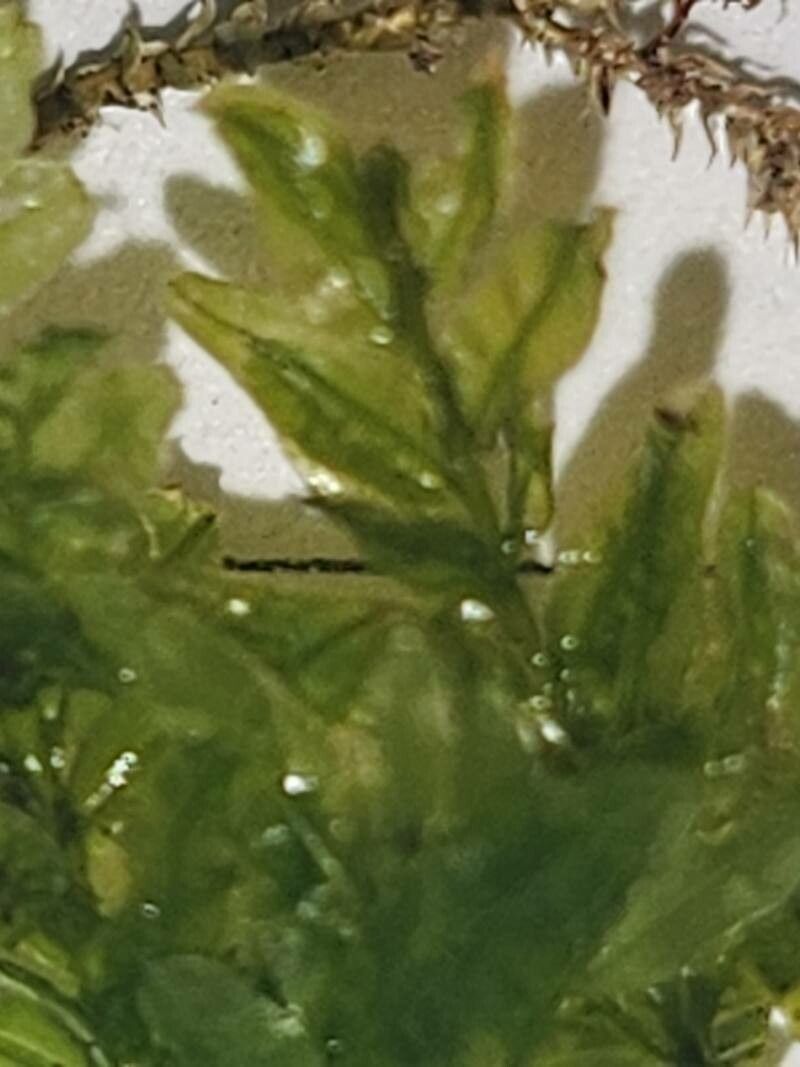
Oh, hello there! It’s lovely to have you stop by my little corner of the garden. Today, we’re diving into the delightful world of Hymenophyllum wilsonii, also known as Wilson’s Filmy Fern.
Why You’ll Love Propagating Wilson’s Filmy Fern
There’s something truly magical about Wilson’s Filmy Fern. Its delicate, almost translucent fronds add an ethereal beauty to any shady spot. It’s a truly unique plant that whispers of ancient forests. Propagating it might sound daunting, especially if you’re new to the fern game, but it’s an incredibly rewarding experience. While it’s not quite as straightforward as propagating a pothos, it’s absolutely achievable with a little patience and the right approach. Think of it as a lovely challenge to sharpen your green thumb!
When to Make Your Green Magic Happen
The sweet spot for propagating Hymenophyllum wilsonii is generally during its active growth period. For many of us, this means spring and early summer. You’ll know the plant is ready when you see new, unfurling fronds appearing. This is when the plant has the most energy to put into developing new roots.
Gathering Your Garden Treasures: What You’ll Need
Before we get our hands dirty, let’s make sure we have our tools ready:
- Sharp, clean pruning shears or a razor blade: A clean cut is crucial to prevent disease.
- A well-draining potting mix: I like to use a mix of orchid bark, perlite, and peat moss to help retain moisture but also allow for good aeration. You can also find specialized fern mixes.
- Small pots or trays: Whatever you choose, make sure they have drainage holes.
- Clear plastic bags or domes: These will create a humid microclimate, which is essential for filmy ferns.
- Watering can with a fine rose: Gentle watering is key.
- Optional: Rooting hormone (powder or gel): While not always necessary for this fern, it can give an extra boost.
Bringing New Ferns to Life: Propagation Methods
Wilson’s Filmy Fern is most successfully propagated through division. This is where we gently separate a mature plant into smaller, viable sections.
- Gently Excavate: Carefully remove your mature Hymenophyllum wilsonii from its pot. You might need to run a knife around the edge if it’s a bit snug.
- Examine the Rhizomes: Look for the rhizomes, which are the creeping stems that grow along the surface or just under the soil. You’ll see where these rhizomes naturally branch and can be separated.
- Separate with Care: Using your clean pruning shears or a razor blade, gently cut through the rhizomes to create smaller sections. Each section should ideally have a few fronds and some visible roots. If using rooting hormone, dip the cut end of the rhizome into it now.
- Potting Up: Place each separated section into its own small pot filled with your prepared potting mix. Ensure the rhizome is just covered or sitting on the surface, depending on how it was growing.
- Water Wisely: Water gently but thoroughly. You want the soil to be moist, but not waterlogged.
- Create a Humid Haven: Place the pots inside a clear plastic bag or cover them with a humidity dome. Seal it up, but leave a small opening for a bit of air circulation. You’re aiming for a steamy environment!
The “Secret Sauce” – My Insider Tips
Now, as your garden mentor, let me share a couple of things I’ve learned over the years that really make a difference with these delicate beauties:
- Humidity is King (and Queen!): Filmy ferns need very high humidity. If your home is naturally dry, don’t skip the plastic bag or dome. I even like to place the pots on a pebble tray filled with water (making sure the pot isn’t sitting directly in the water, of course).
- Don’t Overwater, But Don’t Let Them Dry Out: This is a tricky balance. The soil should consistently feel damp to the touch, like a wrung-out sponge, but never soggy. Soggy conditions invite rot, which is the bane of any fern parent.
Aftercare and What to Watch For
Once your divisions are potted, the real waiting game begins. Keep them in that humid environment and out of direct sunlight. You’ll want to check them regularly.
New growth is your best indicator of success. You should start seeing tiny new fronds unfurling within a few weeks to a couple of months.
What if things go wrong? The most common culprits are:
- Rot: This usually happens from too much moisture and poor air circulation. If you see mushy, discolored fronds or stems, you might have rot. Remove affected parts immediately and try to improve airflow and reduce watering slightly.
- Wilting and Browning: This can be a sign of underwatering or, paradoxically, too much direct sun (even if it’s indirect, it can be too much for a newly stressed plant). Ensure consistent moisture and locate them in a shadier, more protected spot.
Keep Nurturing, Keep Growing
Propagating Hymenophyllum wilsonii is a journey, not a race. Be patient with your new little ferns. Celebrate those tiny signs of life! The beauty of nurturing a new plant from a piece of an old one is truly unparalleled. Enjoy the process, and soon you’ll have the magical charm of Wilson’s Filmy Fern gracing even more of your verdant spaces. Happy gardening!
Resource:
https://identify.plantnet.org/k-world-flora/species/Hymenophyllum%20wilsonii%20Hook./data