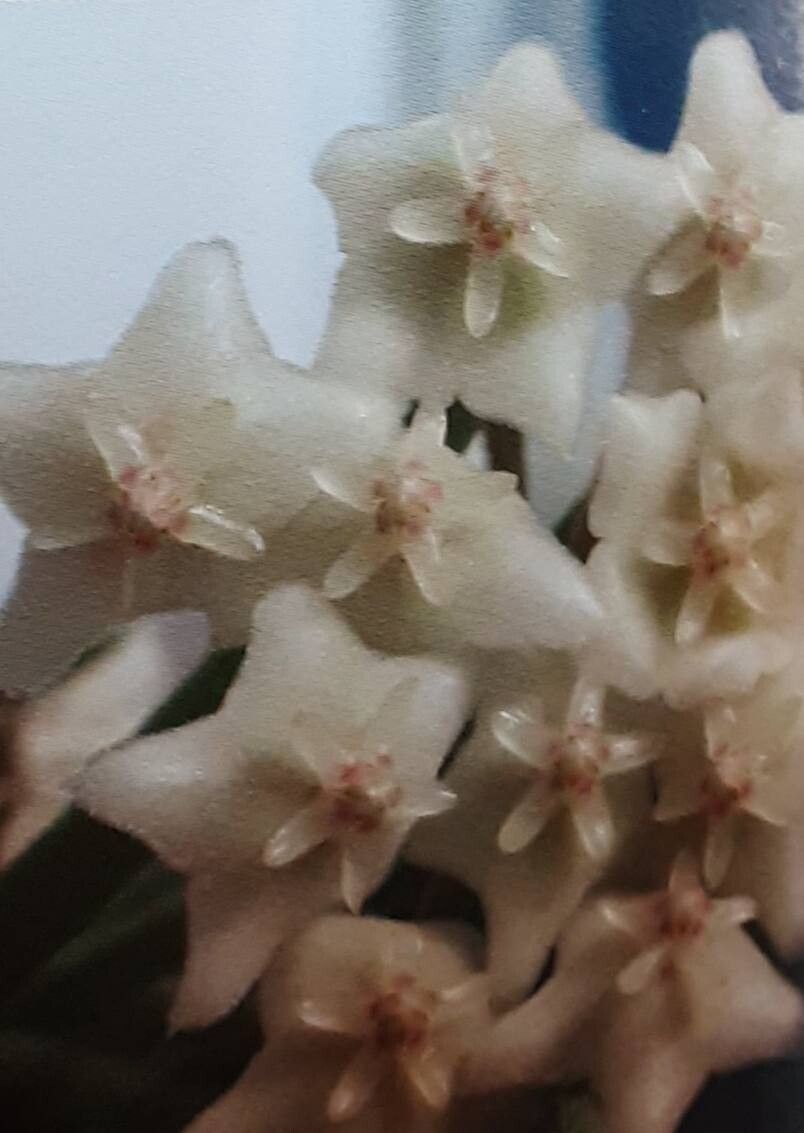
Oh, Hoya linearis! Just saying the name brings a smile to my face. Those delicate, cascading strands of pencil-thin leaves are just pure magic, aren’t they? They have this graceful way of tumbling over the edge of a pot, creating a living curtain that’s both elegant and incredibly soothing. And the best part? Propagating them is surprisingly rewarding. While it might seem a little fiddly at first glance, I promise you, it’s a journey well worth taking. For beginners, I’d say it’s moderately easy, and that little bit of challenge makes the success all the sweeter!
The Best Time to Start
When it comes to giving your Hoya linearis the best chance to thrive, it really comes down to spring or early summer. This is when the plant is actively growing and has plenty of energy to put into developing new roots. I find starting around March or April, just as the days are getting longer and warmer, gives me the happiest results. Avoid propagating during the dead of winter when growth is slow.
Supplies You’ll Need
Here’s a little gathering of what you’ll want on hand:
- Sharp Pruning Shears or Scissors: Cleanliness is key!
- Rooting Hormone (Optional but Recommended): A little boost never hurts.
- Small Pots or Containers: Clean ones, please!
- Well-Draining Potting Mix: A mix designed for succulents or a blend of potting soil with perlite and orchid bark works wonderfully.
- Water: For the water propagation method.
- Clear Plastic Bag or Humidity Dome: To keep things cozy.
- Twist Ties or Rubber Bands: To secure your humidity cover.
- A Small Spray Bottle: For keeping things lightly moist.
Propagation Methods
Let’s get our hands dirty with a couple of tried-and-true methods.
Stem Cuttings
This is my go-to method for Hoya linearis.
- Take Your Cuttings: Look for a healthy stem that has at least two to three sets of leaves. Using your clean shears, make a cut just below a leaf node (where a leaf attaches to the stem). You want cuttings that are about 4-6 inches long.
- Prepare the Cutting: Gently remove the leaves from the bottom half of the cutting. This prevents them from rotting once planted. If you’re using rooting hormone, lightly dip the cut end into it now.
- Potting Up: Fill your clean small pots with your well-draining potting mix. Make a small hole in the center with your finger or a pencil. Insert the cut end of the Hoya linearis cutting into the hole, ensuring the leaf nodes are buried. Gently firm the soil around the cutting.
- Give it a Drink: Water the soil lightly until it’s just moist.
- Create the Cozy Climate: Place the potted cutting inside a clear plastic bag or cover it with a humidity dome. Secure it with a twist tie or rubber band to trap moisture.
Water Propagation
This is a lovely way to watch the magic happen!
- Take and Prepare Cuttings: Follow steps 1 and 2 as described for stem cuttings.
- Submerge with Care: Fill a small, clean jar or glass with water. Place the Hoya linearis cuttings into the water, making sure that at least one leaf node is submerged.
- The Crucial Detail: This is important – ensure no leaves are touching the water’s surface. If they are, trim them off. Leaves submerged in water will rot, and that’s the last thing we want!
- Find a Bright Spot: Place the jar in a bright location, but out of direct, harsh sunlight.
- Refresh Regularly: Change the water every few days to keep it fresh and prevent stagnation.
The “Secret Sauce” (Pro Tips)
Alright, let’s spill a little garden insider knowledge.
- Bottom Heat is Your Friend: If you can, place your potted cuttings on a seedling heat mat. This gentle warmth from below encourages root development like nothing else. It’s truly a game-changer for Hoya propagation.
- Don’t Fuss Too Much: Once you’ve set your cuttings up, resist the urge to constantly check them. Let them be! Too much disturbance can stress them out. I usually check for roots after about 3-4 weeks.
- A Gentle Misting Routine: For cuttings in soil, I like to give them a light misting every couple of days with my spray bottle. This keeps the humidity up without waterlogging the soil.
Aftercare & Troubleshooting
Once you see those little white roots peeking out (hooray!), it’s time to treat your new baby with a little extra care.
For cuttings in soil, when you see new growth, that’s a solid sign roots have formed. You can gently tug on the stem – if there’s resistance, you’re good to go! Gradually acclimate them to normal room humidity by opening the plastic bag or dome a little more each day over a week. Continue to keep the soil lightly moist.
For water-propagated cuttings, once the roots are about an inch long, it’s time to pot them into well-draining soil as described in the stem cutting method. Again, keep the soil consistently moist during this transition.
The most common problem you’ll encounter is rot. If you see your cutting turning mushy or black, it’s usually a sign of too much moisture or not enough air circulation. If it happens, act fast. You might be able to cut away the rotten part and try propagating the healthy section again, but sometimes it’s just not meant to be. Don’t be discouraged if you lose a cutting; it’s part of the learning process.
A Gentle Closing
Propagating Hoya linearis is a beautiful way to multiply your joy. Be patient with the process, celebrate every tiny new leaf and root, and remember that gardening is all about learning and growing. Enjoy watching your little cuttings transform into their own stunning cascades!
Resource:
https://identify.plantnet.org/k-world-flora/species/Hoya%20linearis%20Wall.%20ex%20D.Don/data