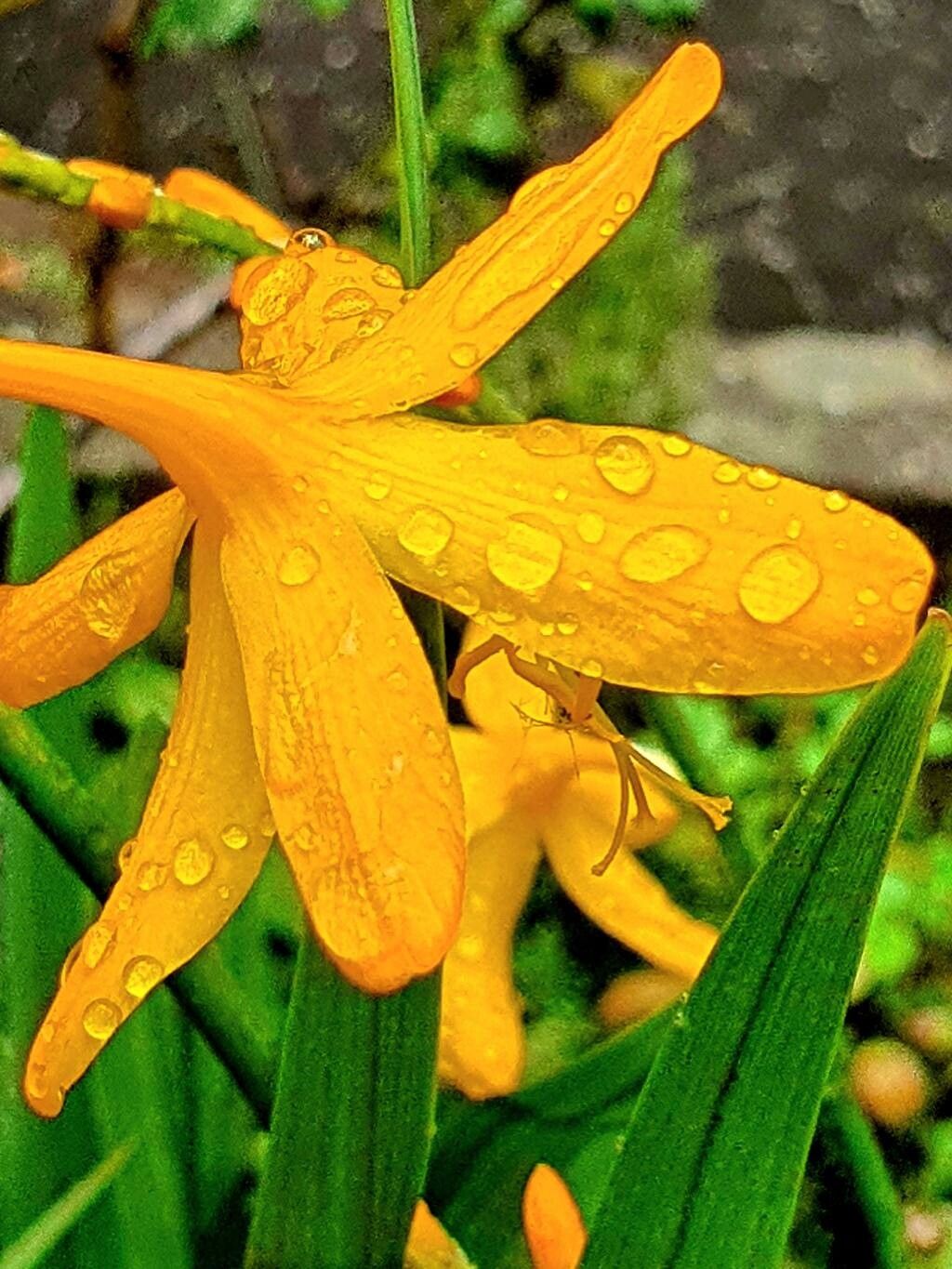
Hello fellow garden enthusiasts! It’s so lovely to connect with you today. If you’re like me, you probably have a soft spot for plants that bring vibrant color and a touch of the exotic to your garden. Crocosmia aurea, with its graceful arching stems and gorgeous fiery orange blooms, is one of those gems. It’s a real showstopper, especially in late summer and autumn. And the best part? It’s incredibly rewarding and, thankfully, pretty straightforward to propagate. If you’re new to the gardening world, this is a fantastic plant to get your hands dirty with.
The Best Time to Start
When it comes to getting the most success from your Crocosmia propagation efforts, timing is key. The ideal time to propagate Crocosmia aurea is in the early spring. This is when the plant is just waking up from its winter rest and has plenty of stored energy to push out new growth. You’re aiming to work with the plant when it’s actively growing, not when it’s dormant or already putting on a full floral display.
Supplies You’ll Need
Gathering your tools before you begin will make the whole process smoother. Here’s what you’ll want to have on hand:
- Sharp pruning shears or a clean knife: For making precise cuts.
- Potting mix: A good quality, well-draining potting mix is essential. You can also create your own by mixing equal parts peat moss, perlite, and compost.
- Small pots or seed trays: Clean pots are a must to prevent diseases.
- Watering can or spray bottle: For gentle watering.
- Identifier tags: To keep track of your new plants!
- (Optional) Rooting hormone: While not always strictly necessary for Crocosmia, it can give your cuttings an extra boost.
Propagation Methods
Now, let’s get down to the fun part! Crocosmia aurea is most easily propagated through division of its corms, which are essentially underground bulbs.
Division of Corms
This is your go-to method for multiplying Crocosmia.
- Dig Carefully: In early spring, before new growth really takes off, carefully dig up your Crocosmia clump using a garden fork. Be gentle to avoid damaging the corms.
- Clean Off Excess Soil: Gently brush away most of the soil so you can clearly see the corms. You’ll notice that the older, larger corms have smaller offsets or baby corms attached to them.
- Separate the Corms: This is where your hands or a clean knife come in. Gently twist or cut the smaller corms away from the parent corm. Make sure each new corm has at least one or two small buds or growing points. If a corm looks old, damaged, or has no sign of a bud, it’s best to discard it.
- Let Them Dry (Optional but Recommended): For a day or two, let the separated corms sit in a dry, airy spot. This helps any cuts heal and reduces the risk of rot.
- Plant Them Up: Plant your new corms about 2-3 inches deep in well-draining potting mix. You can plant them individually in small pots or in a seed tray, spaced a few inches apart. Make sure the pointed end (where the growth will emerge) is facing upwards.
- Water Gently: Water the newly planted corms lightly.
The “Secret Sauce” (Pro Tips)
Here are a few little tricks I’ve picked up over the years that can really help your propagation efforts:
- Don’t Overcrowd: When dividing, resist the urge to cram too many tiny corms into one pot. Give them space to breathe and develop. Overcrowding can lead to damping-off diseases and weak growth.
- Warmth is Wonderful: While early spring is the best time to start, providing a little bit of warmth can speed things up. If you have a greenhouse or a bright windowsill that gets a bit of sun, placing your pots there will encourage quicker root development. Bottom heat, if you have it, is a real game-changer for getting things moving.
- Patience with the Parent: If you’re dividing a very established clump, you might find some older corms that look a bit tired. Don’t discard them too quickly! Sometimes, even these can surprise you and produce new growth. It’s always worth giving them a chance.
Aftercare & Troubleshooting
Once your corms are planted, the most important thing is patient observation.
- Watering: Keep the soil consistently moist but not waterlogged. Overwatering is the biggest enemy of corms and young plants, leading to rot. Let the top inch of soil dry out slightly between waterings.
- Light: Place your pots in a bright location, but avoid direct, harsh sunlight initially. Once your plants are established and showing good growth, they can handle more sun.
- Pest Patrol: Keep an eye out for common pests like aphids. A gentle spray of soapy water usually does the trick.
Troubleshooting: The most common issue you might face is rot. If you notice your corm turning mushy or developing dark spots, it’s likely too much moisture. Unfortunately, once rot sets in, it’s hard to save. Make sure your potting mix is free-draining, and adjust your watering schedule. If you don’t see any signs of growth after a few weeks, don’t despair! Sometimes they just take their time.
A Encouraging Closing
So there you have it! Propagating Crocosmia aurea is a lovely, accessible way to expand your collection and share these beautiful blooms with friends. The key is to be gentle, observant, and above all, patient. Nature works on its own schedule, and sometimes the most rewarding things take a little time. Enjoy the process, celebrate every new sprout, and I guarantee you’ll be basking in those fiery orange flowers before you know it! Happy gardening!
Resource: