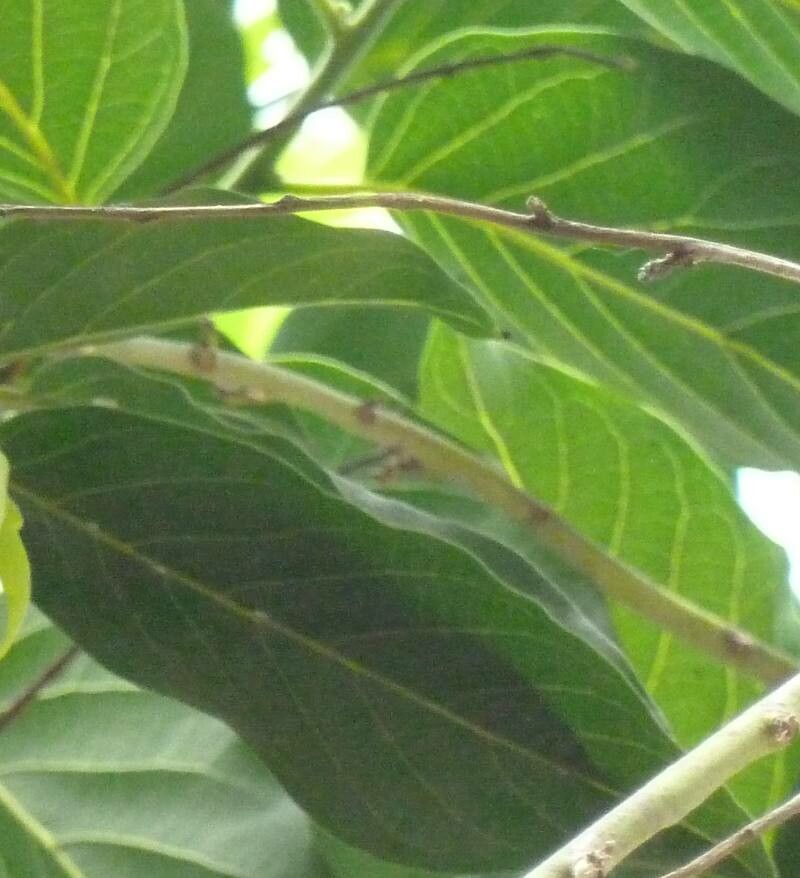
Oh, the Ylang-Ylang! Just the name itself conjures up images of tropical sunsets and intoxicatingly sweet perfume. Cananga odorata is a dream plant for many of us, isn’t it? That star-shaped, fragrant bloom is pure magic, and being able to propagate it yourself… well, that’s incredibly rewarding. Now, I won’t lie, Ylang-Ylang can be a bit of a diva when it comes to propagation, especially for true beginners. It takes a little finesse, but that’s what makes it so satisfying when you succeed!
The Best Time to Start
For the best chance of success, think warmth and growth. The ideal time to take cuttings from your Ylang-Ylang is during its active growing season, which is typically late spring through summer in warmer climates. Look for active new growth – not the super soft, floppy shoots, but something that’s started to firm up a bit. If you’re in a cooler region, your greenhouse will be your best friend for extending this crucial period.
Supplies You’ll Need
Gathering your tools beforehand makes the whole process so much smoother. Here’s what you’ll want to have ready:
- Sharp Pruning Shears or Knife: Cleanliness is key to preventing disease.
- Rooting Hormone: A good quality powder or gel will significantly boost your success rate.
- Well-Draining Potting Mix: I like a blend of perlite, peat moss, and a bit of fine bark. You want it to drain like a sieve!
- Small Pots or Seedling Trays: Clean, with drainage holes, of course.
- Clear Plastic Bag or Humidity Dome: To keep those cuttings nice and moist.
- Optional: Bottom Heat Mat: This is a game-changer for encouraging root development.
Propagation Methods
While you can sometimes propagate Ylang-Ylang from seed, it’s not always reliable, and you often lose the wonderful traits of the parent plant. Stem cuttings are generally the way to go for home gardeners.
Stem Cuttings
This is my go-to method for Ylang-Ylang. Here’s how I do it:
- Select a Healthy Stem: Look for a semi-hardwood cutting, about 4-6 inches long. This means the stem is no longer bright green and flexible, but not yet woody and brittle. Remove any leaves from the bottom half of the cutting.
- Make the Cut: Using your clean shears or knife, make a clean cut just below a leaf node (where a leaf meets the stem). This is where the magic happens for root formation.
- Apply Rooting Hormone: Dip the cut end of the stem into your rooting hormone. Tap off any excess.
- Plant Your Cutting: Fill your clean pots with your well-draining potting mix. Make a small hole with your finger or a pencil and insert the cutting, ensuring the nodes you removed leaves from are below the soil surface. Gently firm the soil around the stem.
- Create a Humid Environment: Water the soil gently until it’s moist but not soggy. Then, cover the pot with a clear plastic bag (propped up with skewers so it doesn’t touch the leaves) or place it under a humidity dome.
- Provide Warmth and Light: Place the pot in a warm spot with bright, indirect light. A bottom heat mat is highly recommended here to keep the soil temperature consistently around 70-75°F (21-24°C).
The “Secret Sauce” (Pro Tips)
Here are a few things I’ve learned over the years that really make a difference:
- The Leaf Worry: Never, ever let the leaves on your cutting touch the soil. If they get wet and stay there, they’re just inviting rot. Trim them off or make sure they’re well above the soil line.
- Patience is a Virtue (and a Requirement!): Ylang-Ylang can be slow to root. Like, really slow. Don’t be tempted to dig them up too early to check for roots – you’ll likely disturb any developing ones. It can take 8 weeks or even longer.
- The “Air Layering” Alternative: If cuttings frustrate you, try air layering. You can do this on a mature branch right on the plant. Make a small cut on the stem, wrap that section with moist sphagnum moss, and then cover it all tightly with plastic wrap. Roots will form within the moss, and once you see good root development, you can cut the branch off below the moss and pot it up! It’s almost foolproof.
Aftercare & Troubleshooting
Once you see new leaf growth, that’s a sure sign your cutting has rooted! Gently lift the pot to feel the weight – it should feel heavier and more stable. At this point, you can gradually introduce it to more light and start watering a bit more regularly, allowing the soil to dry slightly between waterings. Begin with a very diluted liquid fertilizer once you see consistent new growth.
The most common issue you’ll encounter is rot. If your cutting turns mushy, black, or just looks sad and lifeless, it’s likely rotted. This usually comes down to too much moisture, poor air circulation, or lack of warmth. Don’t be discouraged if you lose a few; it happens to all of us!
A Encouraging Closing
Be patient with your Ylang-Ylang cuttings. They have their own pace, and sometimes, nature just needs a little coaxing and a lot of gentle care. You’re nurturing a little piece of tropical paradise, and the journey is just as rewarding as the eventual fragrant blooms. Enjoy every step of the process!
Resource: