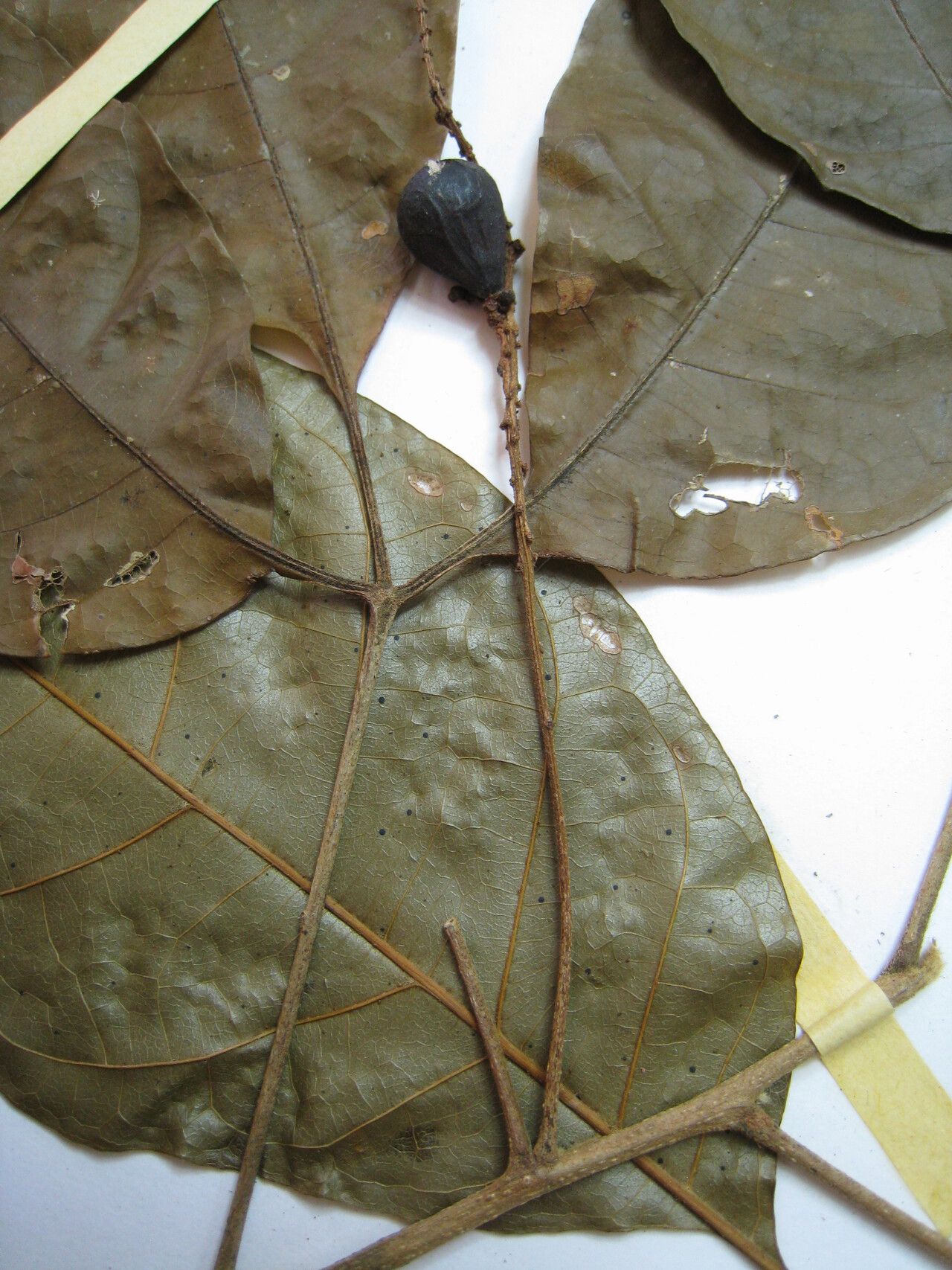
Hello, fellow plant lovers! Today, we’re diving into the wonderful world of propagating Allophylus latifolius. I’ve been growing this beauty in my garden for years, and I just adore its lush, glossy leaves and the way it adds a bit of tropical charm. It’s a fantastic shrub that’s surprisingly adaptable, and getting more plants from cuttings is incredibly satisfying. If you’re new to plant propagation, don’t worry – while it takes a little patience, Allophylus latifolius is quite forgiving, making it a wonderful choice to try your hand at.
The Best Time to Start
For the most success with Allophylus latifolius, I find that spring and early summer are your best friends. This is when the plant is actively growing and brimming with energy. Cuttings taken during this period will establish roots more readily than those taken when the plant is dormant. Look for stems that are neither brand-new and soft nor old and woody – a “semi-hardwood” stage is perfect.
Supplies You’ll Need
- Sharp pruning shears or a clean knife: Essential for clean cuts, which help prevent disease.
- Rooting hormone (optional, but recommended): This encourages faster and stronger root development.
- A well-draining potting mix: I like to use a blend of equal parts peat moss, perlite, and coarse sand. Some gardeners swear by a pre-made succulent or cactus mix.
- Small pots or trays with drainage holes: Any size will do, depending on how many cuttings you plan to take.
- Plastic bags or a propagator: To create a humid environment for your cuttings.
- Watering can or spray bottle: For gentle watering.
Propagation Methods: Stem Cuttings
This is, hands down, the easiest and most reliable method for Allophylus latifolius. Here’s what I do:
- Take Your Cuttings: Using your sharp shears, select a healthy, disease-free stem. Cut a piece about 4-6 inches long. You want to be sure to have at least two to three sets of leaves on each cutting. Remove the lower leaves, leaving just the top couple. This prevents them from rotting when buried.
- Prepare the Cuttings: If you’re using rooting hormone, dip the cut end of each stem into the powder. Tap off any excess.
- Plant Your Cuttings: Fill your pots with your prepared potting mix. Make a small hole in the center with your finger or a pencil. Gently insert the cut end of the cutting into the hole, ensuring the hormone (if used) stays on the base. Firm the soil gently around the stem.
- Water Gently: Water the soil thoroughly but gently. You don’t want to wash away the rooting hormone or disturb the cutting.
- Create Humidity: This is crucial! Cover the pot loosely with a clear plastic bag or place it in a propagator. You want to trap moisture, creating a mini-greenhouse effect. Make sure the leaves aren’t touching the sides of the bag too much. I often use a skewer or two to prop up the bag.
The “Secret Sauce” (Pro Tips)
- Bottom Heat is Your Best Friend: If you have a heat mat designed for seedlings, placing your pots on top of it can significantly speed up root formation. Allophylus latifolius loves a little warmth from below. It’s a game-changer!
- Don’t Drown Your Cuttings: While humidity is key, constantly soggy soil is the fastest way to invite rot. Let the top layer of soil dry out slightly between waterings. A light misting with your spray bottle is often enough to maintain humidity without overwatering.
- Start with Multiple Cuttings: Not every cutting will be a success story, and that’s perfectly okay. I always take more cuttings than I think I’ll need. This way, even if a few don’t make it, you’ll likely still end up with a lovely new plant or two.
Aftercare & Troubleshooting
Once your cuttings have been planted, place them in a location with bright, indirect light. Avoid direct sun, as it can scorch them. Keep an eye on your cuttings. After about 3-6 weeks, you should start to see signs of new growth, which indicates root development. You can gently tug on a cutting; if there’s resistance, roots have formed.
The most common problem you’ll encounter is rot, usually indicated by mushy, black stems or wilting that doesn’t respond to watering. If you see this, unfortunately, that cutting is probably lost. Remove it immediately to prevent it from affecting others. Overwatering or insufficient drainage are the usual culprits.
A Encouraging Closing
Growing new plants from cuttings is like a little magic trick, isn’t it? It takes a bit of patience and observation, but seeing those first tiny roots emerge is so rewarding. Don’t get discouraged if some don’t take – every gardener has those moments! Just keep trying, enjoy the process, and soon you’ll have a whole troop of Allophylus latifolius to share or to fill your garden with. Happy propagating!
Resource:
https://identify.plantnet.org/k-world-flora/species/Allophylus%20latifolius%20Huber/data