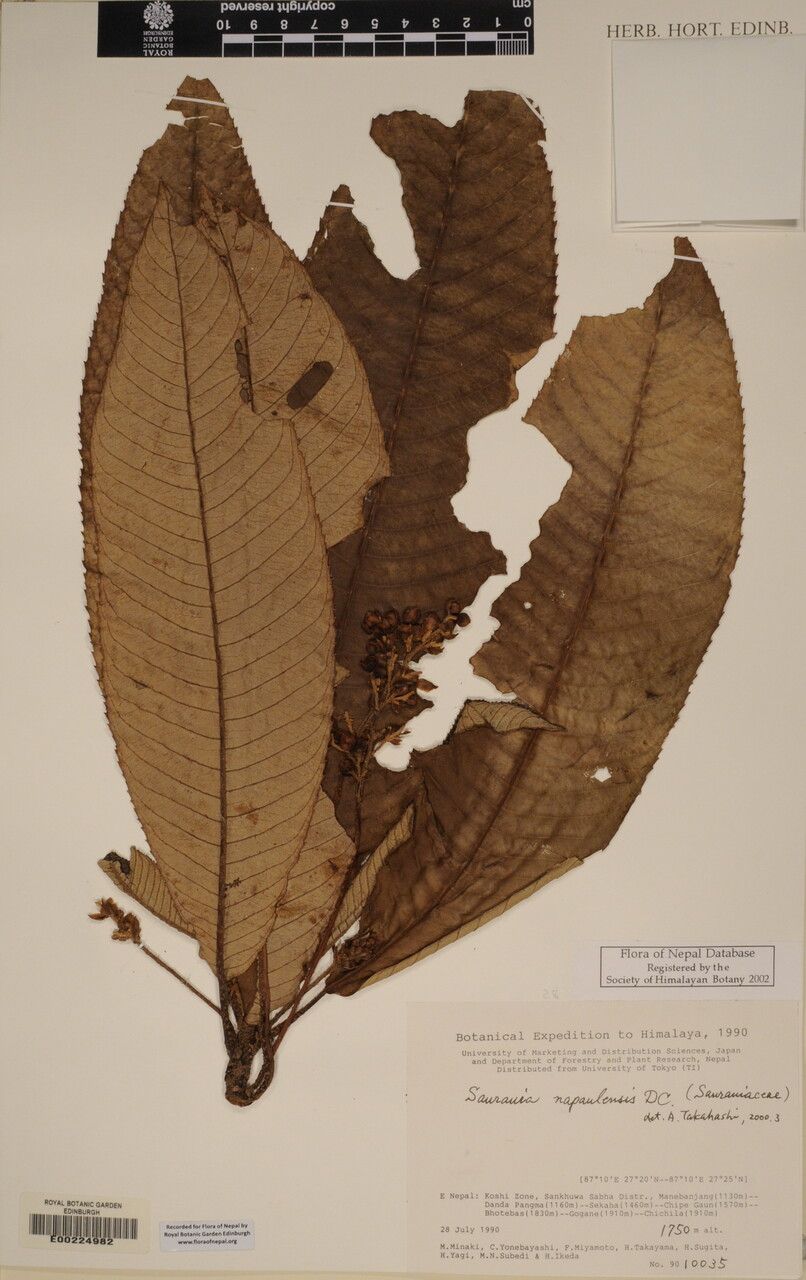
Hello there, fellow garden enthusiasts! Gather ‘round, let’s chat plants. Today, we’re diving into the wonderful world of Saurauia napaulensis. This beauty, with its lush foliage and unique charm, is a real showstopper. If you’ve ever admired its striking presence and thought, “I wish I had more of those!”, you’re in luck. Propagating Saurauia napaulensis is a wonderfully rewarding way to expand your collection, and while it has its quirks, with a little guidance, you’ll be well on your way to multiplying this delight. It’s not quite a beginner’s “set it and forget it” plant, but absolutely achievable with care and attention.
The Best Time to Start
For the highest success rate with Saurauia napaulensis propagation, spring or early summer is your sweet spot. This is when the plant is actively growing and has the most energy to put towards developing new roots. Look for a stem that feels firm and has new growth emerging, but isn’t yet woody. Think of it as capturing that youthful vigor!
Supplies You’ll Need
Before we get our hands dirty, let’s gather our tools. Having everything ready makes the process so much smoother.
- Sharp Pruning Shears or a Clean Knife: Essential for making clean cuts.
- Rooting Hormone (Powder or Gel): This is a big help in encouraging root development.
- Well-Draining Potting Mix: A good blend of peat moss, perlite, and vermiculite works wonders. You can also find specific cuttings mixes.
- Small Pots or Seedling Trays: Clean ones are a must to prevent disease.
- Plastic Bags or a Propagator: To create a humid environment.
- Spray Bottle: For misting.
- Potting Soil (for when roots form): A general-purpose, good quality potting soil.
Propagation Methods: Let’s Get Growing!
The most reliable way I’ve found to propagate Saurauia napaulensis is through stem cuttings. It’s generally straightforward and yields great results.
- Take Your Cuttings: Select healthy, non-flowering stems that are about 4-6 inches long. Make a clean cut just below a leaf node. This is where roots are most likely to form. Aim to take several cuttings; not all will make it, and that’s perfectly normal.
- Prepare the Cuttings: Gently remove the lower leaves, leaving just a couple at the very top. This prevents them from rotting in the soil. You can even take a shallow slit up the bottom of the cutting if you want to give it a bit more surface area for rooting.
- Apply Rooting Hormone: Dip the cut end of the stem into your rooting hormone, tapping off any excess. This stuff really gives your cuttings a boost.
- Plant Your Cuttings: Fill your small pots or trays with your well-draining potting mix. Make a small hole with your finger or a pencil, and insert the prepared cutting. Gently firm the soil around it.
- Create a Humid Environment: This is crucial! Water the soil lightly, then cover the pots with a clear plastic bag, ensuring the bag doesn’t touch the leaves too much. Alternatively, use a propagator with a lid. This traps moisture and creates the steamy microclimate cuttings love.
The “Secret Sauce” (Pro Tips)
Here are a few little tricks I’ve picked up over the years that can really make a difference:
- Think “Cleanliness is Next to Godliness”: Before you start, ensure all your tools and pots are thoroughly cleaned and sterilized. This is your first line of defense against fungal diseases, which can quickly take down a hopeful cutting. A quick rinse with soapy water and then a wipe-down with rubbing alcohol usually does the trick.
- The Power of Bottom Heat (Optional but Recommended): If you can, place your pots on a heat mat. This is especially helpful if your propagation area is a bit cooler. Warm soil encourages root development much faster than cool soil. It mimics the warmth found at the base of a plant, just naturally.
- Patience and Observation are Key: Don’t be tempted to pull your cuttings up to “check for roots” every few days. Resist the urge! You risk damaging delicate new root hairs. Instead, look for signs of growth at the top of the stem (new leaves unfurling) or gently tug. If there’s resistance, roots are forming.
Aftercare & Troubleshooting
Once you see signs of new growth, like tiny leaves appearing, it’s a good indication that roots are forming. At this stage, you can gradually acclimate your new plant to normal humidity. Start by opening the plastic bag a little bit each day for a week.
- Watering: Keep the soil consistently moist but not waterlogged. Overwatering is a common culprit for failure. If the soil feels soggy, you’re watering too much.
- Light: Place your rooted cuttings in a bright, indirect light location. Avoid harsh, direct sunlight, which can scorch tender new growth.
- Troubleshooting Rot: The most common issue you’ll face is rot. If a cutting turns black and mushy, or if the leaves start to yellow and drop off rapidly without any new growth, it’s likely rot. This usually stems from too much moisture and poor air circulation. If you catch it early, you might be able to salvage some of the rot-free stem if you act fast, but often, it’s a sign to start again.
A Little Encouraging Closing
There you have it! Propagating Saurauia napaulensis is a journey, and like any good journey, it requires a bit of patience. Don’t be discouraged if your first few attempts aren’t perfect; each one is a learning experience. Enjoy the process of nurturing these little bits of life, and soon you’ll be surrounded by the beautiful foliage of your own homegrown Saurauia napaulensis! Happy gardening!
Resource:
https://identify.plantnet.org/k-world-flora/species/Saurauia%20napaulensis%20DC./data