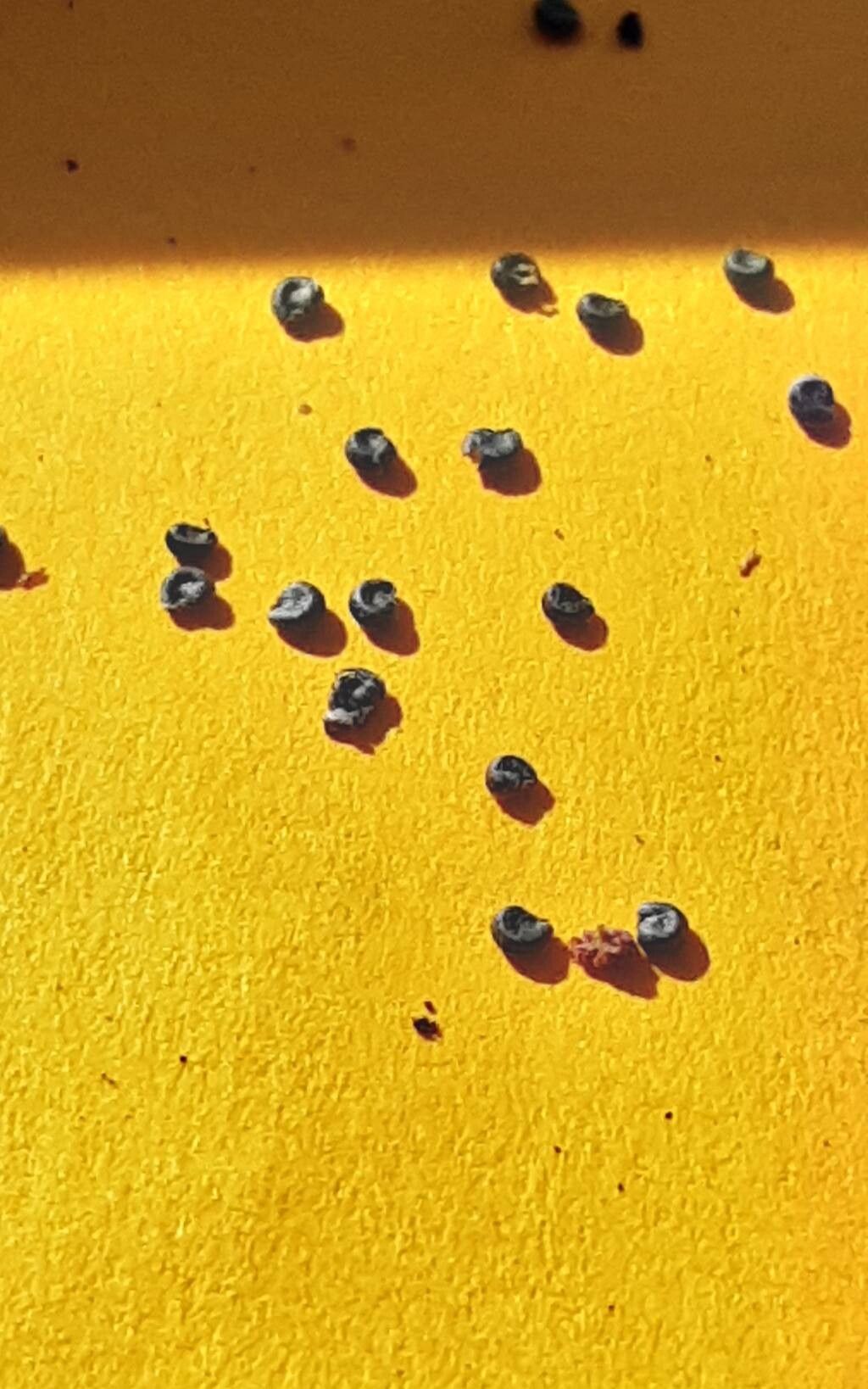
Oh, Phemeranthus calycinus! What a cheerful little plant. Its delicate, star-like flowers are such a delight, and the way it seems to just glow in the garden or on a sunny windowsill is truly special. If you’ve ever admired its charming display, you’ll be pleased to know that propagating it is a wonderfully rewarding experience. And guess what? It’s quite beginner-friendly! Let’s get our hands a little dirty and make more of these beauties.
The Best Time to Start
The absolute sweetest spot for propagating Phemeranthus calycinus is during its active growing season. Think late spring to mid-summer. This is when the plant is full of vigor, energetically producing new stems and leaves. Starting here gives your cuttings the best chance to establish themselves before cooler weather arrives.
Supplies You’ll Need
Gathering your tools beforehand makes the whole process much smoother. Here’s what I usually have on hand:
- Sharp, clean pruning shears or a craft knife: A clean cut is crucial.
- Well-draining potting mix: I personally like a blend of equal parts peat moss, perlite, and coarse sand. For these guys, even more drainage is better!
- Small pots or propagation trays: Whatever you have will work, just make sure they have drainage holes.
- Optional: Rooting hormone: While Phemeranthus calycinus roots readily, a little dip can’t hurt.
- Watering can with a fine rose: For gentle watering.
- Plastic bags or a propagation dome: To keep humidity levels up initially.
Propagation Methods
Phemeranthus calycinus is a master of self-propagation, and the easiest way to get more plants is usually through stem cuttings.
-
Take Your Cuttings: With your clean shears, select a healthy, non-flowering stem. You want a piece that’s about 3-4 inches long. Make your cut just below a leaf node – that’s where the roots like to form. Remove the lower leaves, leaving just the top couple.
-
Prepare the Cutting: If you’re using rooting hormone, dip the cut end into it now. It’s not strictly necessary for this plant, but it can speed things up a bit.
-
Planting Time: Gently insert the cut end of your Phemeranthus calycinus cutting about an inch deep into your prepared, slightly
moist potting mix. You can plant several cuttings in one pot, as long as they aren’t touching each other too much. -
Create a Mini Greenhouse: Water the soil gently. Then, cover the pot with a plastic bag or place it under a propagation dome. This traps humidity, which is essential for cuttings to develop roots before they can take up water from the soil.
-
Find the Perfect Spot: Place your pot in a bright location that receives indirect sunlight. Direct sun will scorch those tender cuttings. A warm spot is ideal.
The “Secret Sauce” (Pro Tips)
Here are a couple of little tricks I’ve picked up over the years that can really help:
- Don’t let the leaves touch the soil surface. Any leaves sitting directly on the soil are a prime spot for rot to set in. Make sure any removed leaves are completely clear of the potting mix.
- Allow some air circulation. While you want humidity, a completely sealed environment can sometimes lead to fungal issues. Every few days, lift the plastic bag or dome for a few minutes to let fresh air in.
Aftercare & Troubleshooting
Once your cuttings have been in their little makeshift greenhouse for a few weeks, gently tug on one. If you feel resistance, congratulations! You have roots!
- Acclimatizing: Once roots have started to form, you can gradually introduce your new plant to less humid conditions. Remove the plastic bag or dome for longer periods each day over a week or so.
- First Watering: Water thoroughly when the top inch of soil feels dry.
- Common Pitfalls: The most common problem you might encounter is rot. This usually happens if the cuttings are kept too wet or don’t have enough air circulation. If you see mushy, black stems, unfortunately, that cutting is likely lost. Don’t get discouraged; just try again with a fresh cutting and adjust your watering or ventilation.
A Word of Encouragement
Watching a new plant sprout from a tiny cutting is one of the most satisfying gardening experiences. Be patient with your Phemeranthus calycinus. Some will root faster than others. Enjoy the process of nurturing these little ones, and soon you’ll have a whole collection of these charming blooms to share!
Resource: