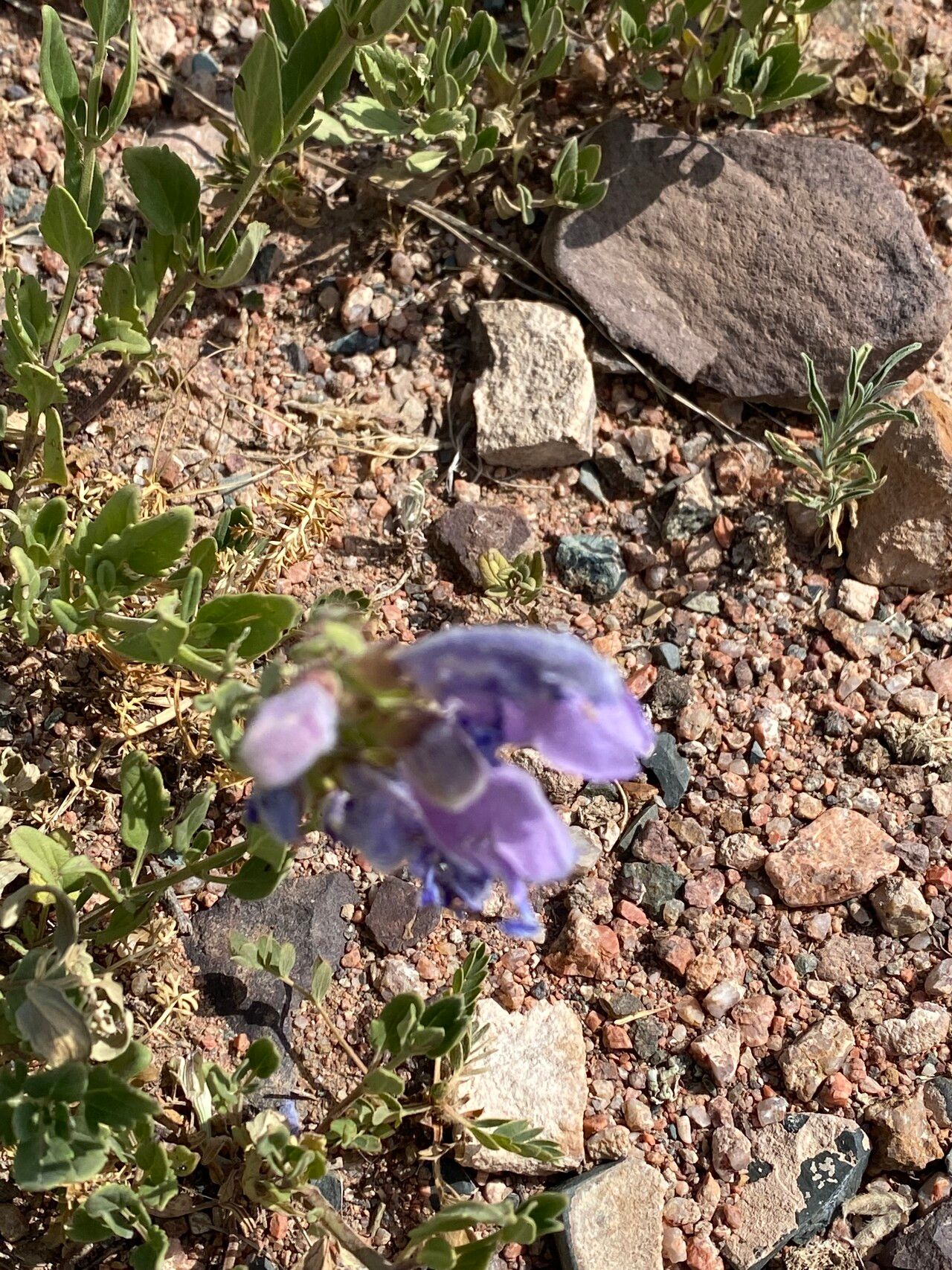
Oh, hello there! Pull up a chair and let’s chat about one of my absolute favorite wildflowers, Penstemon hallii. If you’ve ever been captivated by its vibrant spikes of tubular, often sapphire-blue or deep purple flowers, you know why they’re such a treasure in the garden. They beckon hummingbirds and add such a delightful splash of color. And let me tell you, propagating them yourself is incredibly rewarding. It’s a wonderful way to fill your garden beds, share with friends, or simply feel that deep satisfaction of coaxing new life from an established plant. For beginners? I’d say they’re generally quite obliging, especially with a little guidance.
The Best Time to Start
My absolute favorite time to take cuttings is in the late spring or early summer, just as the plant is really hitting its stride. Look for stems that have finished flowering or are just starting to develop seed pods. You want stems that are semi-hardwood – not brand new and floppy, but not woody and old either. Think of a pencil, but a bit more flexible. This growth stage offers a lovely balance of vigor and maturity, making them eager to root.
Supplies You’ll Need
Here’s what you’ll want to have on hand for our propagation adventure:
- Sharp pruning shears or a clean craft knife: For making precise cuts.
- Rooting hormone (optional but recommended): I like to use a powder – it’s easy to dip!
- Well-draining potting mix: A blend of perlite, vermiculite, and peat moss is ideal. Or, a good quality seed-starting mix will work just fine. Avoid anything that stays too soggy.
- Small pots or seedling trays: With drainage holes, of course!
- A spray bottle: For misting.
- A plastic bag or propagation dome: To create a humid environment.
Propagation Methods
We’ll focus on the easiest and most successful method for Penstemon hallii: stem cuttings.
- Gather Your Cuttings: Head out to your plant on a cool morning. Select healthy, non-flowering stems and take cuttings that are about 4-6 inches long. Make your cut just below a leaf node (where the leaves attach to the stem). This is crucial because that’s where rooting hormones are concentrated.
- Prepare the Cuttings: Gently remove the lower leaves from the cutting, leaving just the top few leaves. This prevents them from rotting in the soil and reduces moisture loss. If your cuttings are particularly long, you can pinch off the tip to encourage bushier growth later.
- Dip in Rooting Hormone (Optional): Lightly moisten the cut end of the stem, then dip it into your rooting hormone. Tap off any excess.
- Plant Your Cuttings: Fill your pots or trays with your prepared potting mix. Make a small hole in the center with your finger or a pencil. Insert the cut end of the stem into the hole, pushing it down firmly enough for it to make good contact with the soil. Gently firm the soil around the base of the cutting.
- Create Humidity: Water your cuttings gently. Then, cover the pots with a clear plastic bag or a propagation dome. This will create a mini-greenhouse to keep the humidity high, which is essential for preventing the cuttings from drying out before they root. Place them in a bright spot, but out of direct sunlight.
The “Secret Sauce” (Pro Tips)
Here are a few little tricks I’ve learned over the years that really boost success rates:
- Don’t Let Those Lower Leaves Touch the Water (When Water Propagating): If you decide to try water propagation (though I find soil faster for these), make absolutely sure no leaves are submerged. Those submerged leaves are prime real estate for rot, and that’s a quick way to lose your cutting.
- Bottom Heat is Your Friend: If you have a seedling heat mat, placing your pots on it can make a world of difference. It encourages the roots to form from the bottom up, giving your cuttings a real boost. You’ll often see roots develop much faster.
- Mist, Mist, Mist (but don’t drown): Check the moisture of your soil every couple of days. If it feels dry to the touch, give it a light misting with your spray bottle. You want the soil to be consistently moist, but never waterlogged.
Aftercare & Troubleshooting
Once you start to see those little green shoots emerging, you know roots are forming! You might even see a bit of new growth on top. At this point, you can gradually acclimate your new plants to normal conditions. Slowly remove the plastic bag or dome for longer periods each day over a week. Then, once they look sturdy, they’re ready to be transplanted into their own pots.
The biggest thing to watch out for is rot. If you see your cuttings turn black and mushy, or if they simply refuse to root and start to wilt without drying out, it’s usually a sign of too much moisture and not enough air circulation. If this happens, don’t be discouraged! Sometimes it’s just a matter of a bad cutting, or maybe the conditions weren’t quite right. Just try again with fresh material.
A Encouraging Closing
Propagating plants is a dance with nature, and not every attempt will be a perfect pirouette. Be patient with your Penstemon hallii cuttings; they have their own timeline. Enjoy the process of nurturing them, learning from each step, and soon you’ll have a beautiful collection of these delightful blooms to enjoy. Happy gardening!
Resource:
https://identify.plantnet.org/k-world-flora/species/Penstemon%20hallii%20A.Gray/data