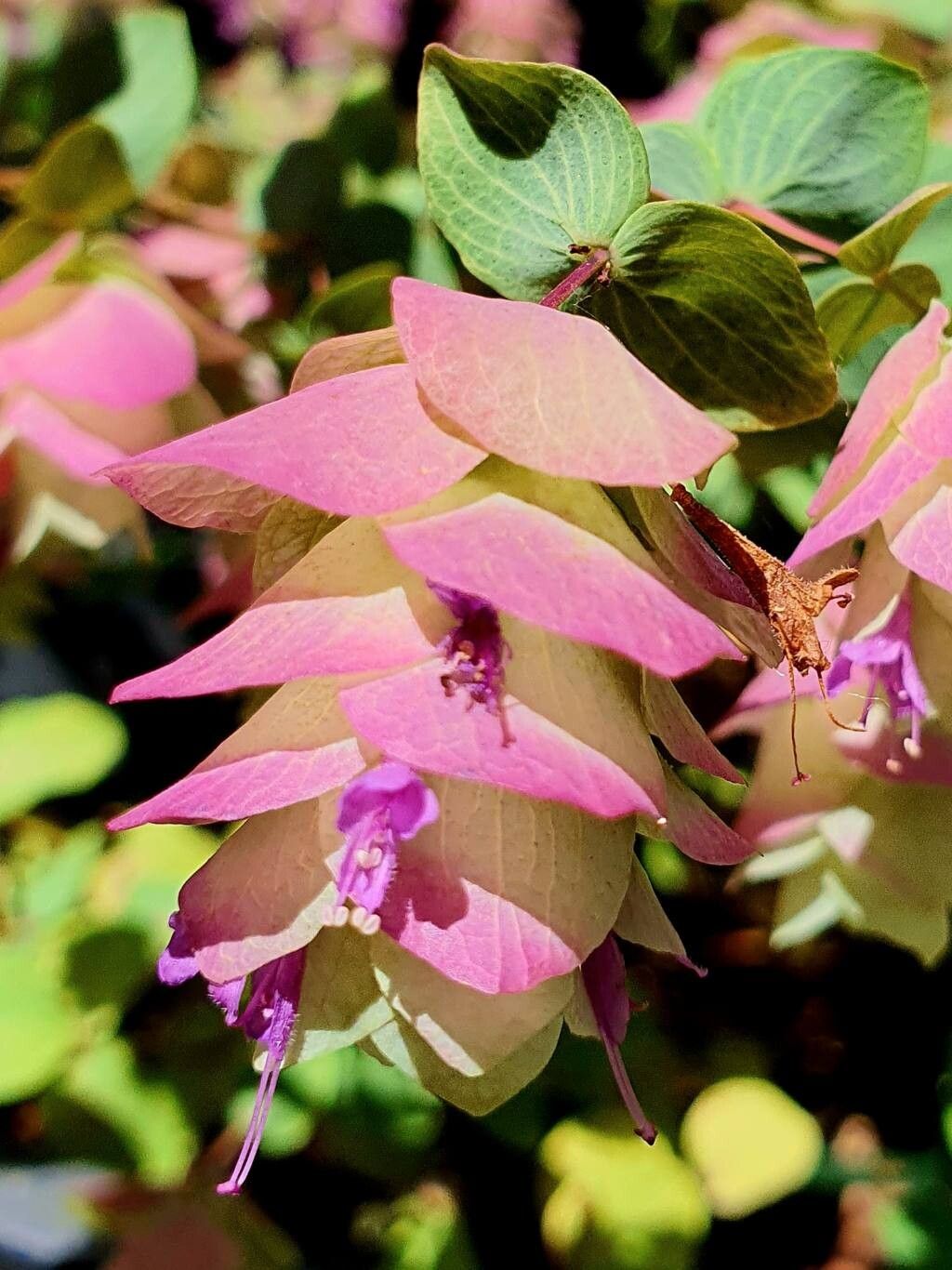
Oh, hello there! Grab a cuppa, and let’s chat about a plant that brings so much sunshine and aroma to my garden: Origanum scabrum. You know, that lovely, hardy oregano with the fuzzy leaves that smells absolutely divine? It’s a real workhorse in the herb garden, and once you have one, you’ll want more. Trust me! The good news is, propagating it is quite satisfying, and I’d say for most folks, it’s a pretty beginner-friendly project. You’ll be sharing sweet-smelling sprigs with friends in no time.
The Best Time to Start
For the highest success rate with Origanum scabrum, I always recommend heading out to your garden in late spring or early summer. This is when the plant is actively growing and has plenty of energy to put into developing new roots. You’re looking for stems that are soft and yielding, not the woody, hardened ones you might see later in the season. Think vibrant, new growth.
Supplies You’ll Need
Here’s what you’ll want to have on hand:
- Sharp pruning shears or a clean knife: For making neat cuts.
- Rooting hormone (optional but helpful): Gel or powder works.
- Well-draining potting mix: A mix of equal parts peat moss, perlite, and coarse sand is excellent. You can also find good quality seedling or propagation mixes.
- Small pots or seed trays: Clean ones are a must to prevent disease.
- Plastic bags or a propagator: To create a humid environment.
- Watering can with a fine rose or spray bottle: For gentle watering.
- Labels: So you don’t forget what you planted where!
Propagation Methods
Let’s get our hands dirty with a couple of my favorite ways to multiply Origanum scabrum.
Stem Cuttings: My Go-To
This is my most successful method for this plant.
- First, select a healthy, non-flowering stem from your mature plant.
- Using your clean shears, take cuttings that are about 4-6 inches long. Make the cut just below a leaf node – that little bump where a leaf grows.
- Gently remove the lower leaves, leaving just the top couple of leaves. This prevents them from rotting when buried.
- If you’re using rooting hormone, dip the cut end into it, shaking off any excess.
- Fill your pots or trays with the well-draining mix. Make a small hole with your finger or a pencil.
- Insert the cuttings into the holes, spacing them a couple of inches apart. Gently firm the soil around them.
- Water them thoroughly but gently.
- To create humidity, place a clear plastic bag over the pot, supported by stakes so it doesn’t touch the leaves. Alternatively, use a propagator lid.
- Place the pots in a bright spot with indirect sunlight. Avoid direct sun, which can scorch the new cuttings.
Division: A Quick Win
If your Origanum scabrum has gotten nice and large, division is a fantastic, fast way to get new plants.
- Gently dig up the entire plant from its pot or garden bed.
- Loosen the soil around the roots.
- If the plant has multiple distinct crowns (sections with leaves and roots), you can often gently pull or tease them apart. If it’s a bit stubborn, use your clean knife to cut through the root ball.
- Be sure each division has both roots and some leafy shoots.
- Pot up each division into its own container with fresh, well-draining soil, or replant them directly into the garden. Water well.
The “Secret Sauce” (Pro Tips)
Here are a few little tricks I’ve picked up that make a big difference:
- Don’t let bottom leaves touch the soil: This is crucial! Any leaf submerged in moist soil is a prime spot for rot. Always strip them off.
- Bottom heat is your friend: If you have it, placing your pots on a seedling heat mat can significantly speed up root development. It mimics the warmth of spring soil.
- Patience with the water: Resist the urge to overwater. Let the soil dry out slightly between waterings. You want it moist, not soggy.
Aftercare & Troubleshooting
Once you see new growth emerging, that’s a fantastic sign of roots!
- Gradually acclimatize your new plants to less humid conditions by opening the plastic bag a little each day, or by removing the propagator lid for longer periods.
- Continue to water when the top inch of soil feels dry.
- Once they have a decent root system (you might see roots peeking out of drainage holes), you can transplant them into slightly larger pots or their permanent garden spot.
Now, what if things don’t go as planned? The most common issue you’ll encounter is rot. If your cuttings look mushy or black, or if the whole thing wilts dramatically, it’s usually a sign of too much moisture and not enough air circulation. Don’t be discouraged – it happens to the best of us! Just clean up, check your watering habits, and try again.
A Little Patience Goes a Long Way
Propagating plants is a beautiful way to connect with nature’s cycle. It takes a bit of time, a little observation, and a whole lot of patience. But the reward of nurturing a new life from just a cutting is truly special. So go ahead, give it a try. You’ve got this! Happy gardening!
Resource:
https://identify.plantnet.org/k-world-flora/species/Origanum%20scabrum%20Boiss.%20&%20Heldr./data