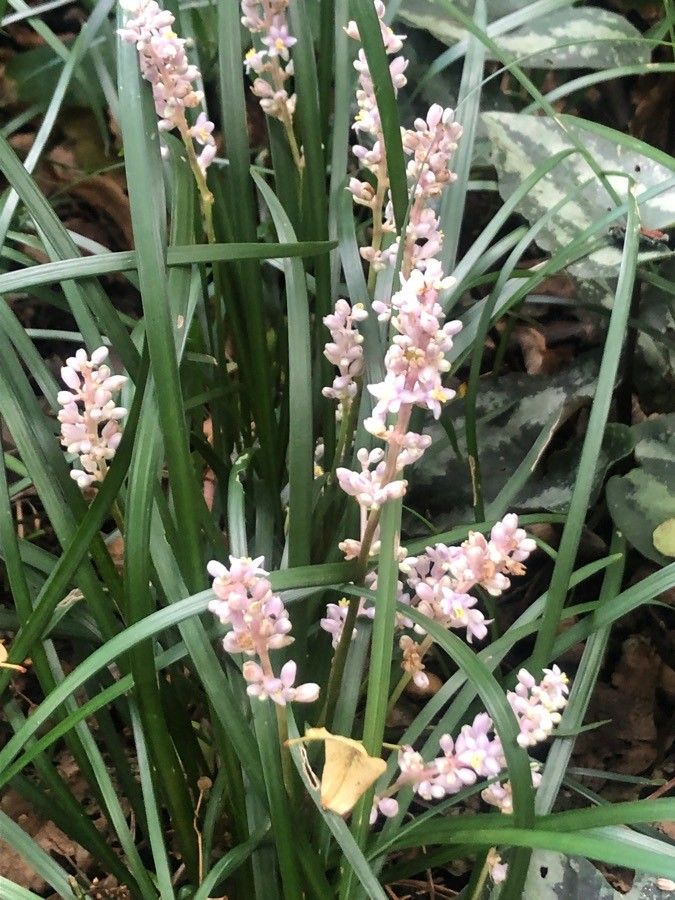
Hello there, fellow plant lovers! Today, I want to chat about a real gem in our gardens: Liriope graminifolia, often called Lilyturf. These architectural beauties, with their grass-like foliage and delicate spikes of purple or white flowers, are just fantastic for adding texture and color to borders, edges, and even containers. They’re tough, they’re beautiful, and the best part? They are wonderfully easy to multiply, making them an absolute dream for beginner gardeners looking to expand their collection without breaking the bank.
Propagating Liriope is incredibly satisfying. It’s like giving your favorite plants a little family, and there’s a special joy in watching something grow from a tiny piece into a thriving specimen. You’ll find yourself with extra plants to gift to friends, fill in bare spots, or simply admire in their own right.
The Best Time to Start
Honestly, Liriope is pretty forgiving, but for the absolute best results, I like to propagate it in late spring or early summer. This is when the plant is actively growing, and new shoots are readily available. The warmer temperatures and increasing daylight will give your new propagations a fantastic boost as they begin to establish.
Supplies You’ll Need
- Sharp pruning shears or a clean knife: For making neat cuts.
- Potting mix: A well-draining mix is key. I usually use a blend of equal parts potting soil and perlite or coarse sand.
- Small pots or trays: Whatever you have handy, just make sure they have drainage holes.
- Optional: Rooting hormone: While not strictly necessary for Liriope, it can give you a little extra confidence.
- Optional: Small pebbles or grit: For drainage in pots.
- Watering can or spray bottle: For gentle watering.
Propagation Methods
The most straightforward and successful way to propagate Liriope graminifolia is through division. Liriope naturally forms dense clumps, and over time, these clumps can be separated into smaller, viable plants.
Here’s how I do it:
- Dig Up the Clump: In late spring or early summer, gently dig up the entire Liriope clump from the ground using your trowel or spade. Try to disturb the root ball as little as possible. If it’s in a pot, you might be able to slide it out easily.
- Clean the Roots: Gently brush away excess soil from the root ball. This will help you see the individual shoots and their roots more clearly.
- Divide the Clump: Now for the fun part. You can use your hands, a sharp trowel, or even a strong knife to carefully pull or cut the clump apart. Aim to create divisions that have at least one or two healthy shoots and a good portion of roots attached. Don’t worry if some roots break; Liriope is tough!
- Prepare Your Pots: Fill your chosen pots or trays with your well-draining potting mix.
- Plant the Divisions: Make a hole in the soil large enough to accommodate the roots of your division. Place the division in the hole, ensuring the crown (where the leaves emerge from the roots) is at or slightly above soil level. Gently firm the soil around the roots to ensure good contact.
- Water In: Water the newly planted divisions thoroughly. You want to settle the soil and eliminate any air pockets.
The “Secret Sauce” (Pro Tips)
- Don’t Over-Crowd: When dividing, try not to create divisions that are too small. A division with strong roots and a few leaves will establish much faster than a tiny sliver. Patience is rewarded here!
- Mulch Wisely: Once your divisions are planted in their new homes (whether still in pots temporarily or directly in the ground), a light layer of mulch can help retain moisture and suppress weeds. Just keep the mulch a little away from the base of the plant.
Aftercare & Troubleshooting
Once your Liriope divisions are planted, keep them consistently moist, but not waterlogged. They’ll appreciate a good watering whenever the top inch of soil feels dry. You can move them to a shadier spot for the first week or two if they’re in direct sun to help them adjust.
You’ll start to see new growth appearing within a few weeks, which is a sign they are happily rooting.
The most common issue you might encounter is rot, usually due to overwatering or poor drainage. If you see leaves turning yellow and mushy, or the base of the plant seems to be decaying, it’s likely too much moisture. At this point, you can try to salvage it by letting the soil dry out completely and ensuring good airflow. Sometimes, trimming away the rotted sections can help.
A Little Goes a Long Way
See? It’s really quite simple to propagate your Liriope. The key is to be gentle, use good drainage, and give them consistent moisture. Don’t be discouraged if not every single piece takes immediately. Nature has its own rhythm, and with a little patience and practice, you’ll be a Liriope propagation pro in no time. Happy gardening!
Resource:
https://identify.plantnet.org/k-world-flora/species/Liriope%20graminifolia%20(L.)%20Baker/data