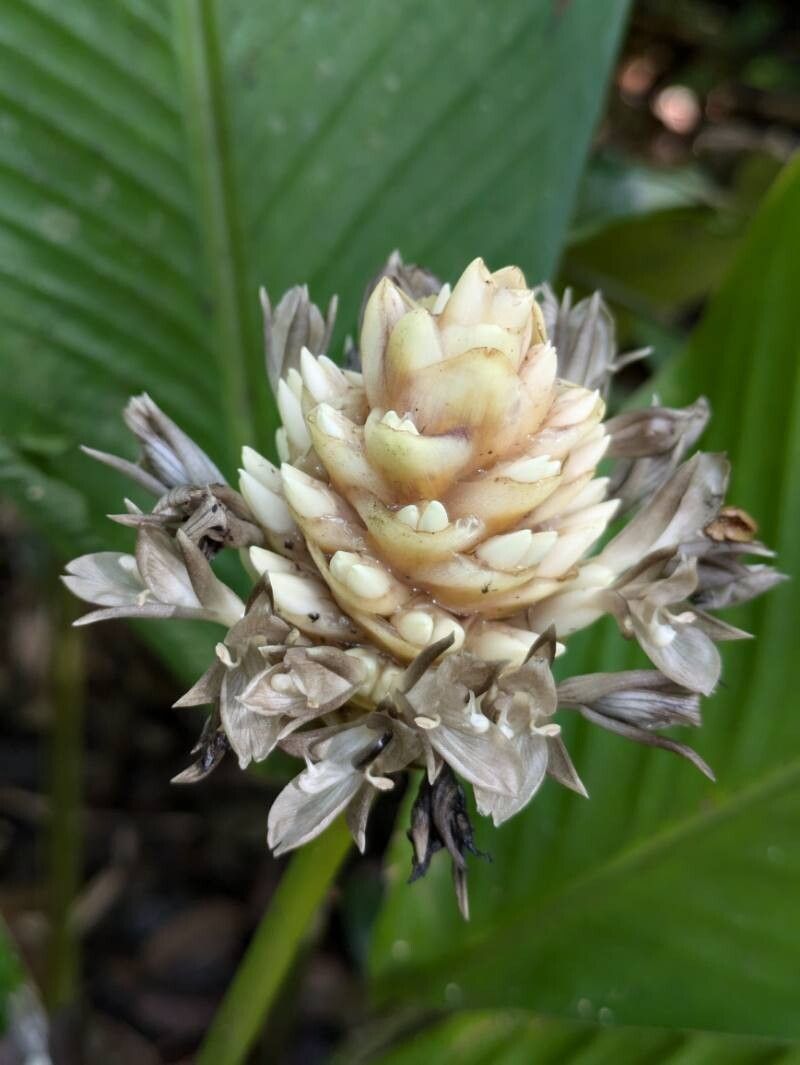
Hey there, fellow plant lovers! I’m so excited to chat with you today about a truly special houseplant: Goeppertia monophylla, often called the ‘single-leaf’ prayer plant. Its elegant leaves, with their striking pinstripe markings and gentle undulation, bring such a touch of sophistication to any space. And the best part? You can easily multiply this beauty yourself, creating a whole collection of these gorgeous plants or sharing the green love with friends!
Now, I know some plants can be a bit finicky, but Goeppertia monophylla is surprisingly forgiving. While not quite a “throw it in the dirt and forget it” kind of plant, propagating it is absolutely achievable for most home gardeners. The satisfaction of nurturing a new life from a parent plant is truly unmatched.
The Best Time to Start
Timing is everything in the garden, and for Goeppertia monophylla, the spring and early summer are your golden ticket. This is when your plant is in its active growth phase, brimming with energy. Cuttings taken during this time have the best chance of rooting quickly and robustly. Trying to propagate when the plant is dormant in winter will likely lead to slower results, if any at all.
Supplies You’ll Need
Here’s what you’ll want to have on hand before we get started:
- Sharp Pruning Shears or a Clean Knife: For making clean cuts.
- Rooting Hormone (Optional, but helpful): A powder or gel to encourage root development.
- Well-Draining Potting Mix: I like a blend of peat moss, perlite, and a bit of compost. Or, a good quality houseplant mix supplemented with perlite works wonders.
- Small Pots or Propagation Trays: Clean and with drainage holes!
- Clear Plastic Bags or a Propagator: To maintain humidity.
- Spray Bottle: For gentle watering.
- Warmth (Optional): A heat mat can speed things up.
Propagation Methods
Goeppertia monophylla is best propagated through two methods: division and stem cuttings.
1. Division: The Easiest Route
This is often the most straightforward way to multiply your Goeppertia, especially if your plant is already mature and showing multiple stems arising from the base.
- Step 1: Gently Remove from Pot: Carefully tip your Goeppertia out of its pot. If it’s stuck, a gentle tap on the sides should loosen it.
- Step 2: Inspect the Roots: Loosen the soil around the root ball with your fingers to get a clear view of the rhizomes (the thick, fleshy underground stems). You’re looking for natural separation points where a clump has multiple distinct crowns or shoots.
- Step 3: Divide with Care: Using your clean hands or a sharp knife, carefully separate the clumps. Make sure each division has a good portion of roots and at least one or two healthy stems or leaves. Don’t worry if you break a few roots; the plant is resilient.
- Step 4: Pot Up: Plant each division into its own pot filled with your well-draining potting mix. Water lightly.
- Step 5: Recover: Place the newly potted divisions in a bright spot but out of direct sun, and keep the soil consistently moist but not soggy.
2. Stem Cuttings: For the Patient Propagator
This method takes a bit more time, but it’s incredibly rewarding to watch roots form!
- Step 1: Choose Your Cutting: Select a healthy stem with at least two to three leaves. Use your sharp pruning shears or knife to make a clean cut just below a leaf node (the point where the leaf attaches to the stem).
- Step 2: Prepare the Cutting: Remove the lower leaf or two from the cutting to expose the node. This is where new roots will emerge.
- Step 3: Dip in Rooting Hormone (Optional): If you’re using rooting hormone, lightly moisten the cut end of the stem and dip it into the powder or gel. Tap off any excess.
- Step 4: Potting the Cutting: Fill a small pot with your well-draining potting mix. Make a small hole in the center with your finger or a pencil. Insert the cut end of the stem into the hole, ensuring the leaf node(s) are below the soil surface. Gently firm the soil around the stem.
- Step 5: Create a Humid Environment: Water the soil lightly, and then cover the pot with a clear plastic bag or place it inside a propagator. This will trap humidity, which is crucial for cuttings to root. Poke a few holes in the bag to allow for some air circulation.
- Step 6: Provide Ideal Conditions: Place the pot in a warm location with bright, indirect light. Avoid direct sunlight, as this can scorch the cutting.
The “Secret Sauce” (Pro Tips)
Here are a few tricks I’ve picked up over the years that can really boost your success:
- Don’t Let Leaves Touch the Water (for stem cuttings): If you opt for water propagation (which I find less reliable for Goeppertia than soil), ensure only the cut stem is submerged, not the leaves. Rot can set in quickly if foliage stays wet.
- Bottom Heat is Your Friend: For stem cuttings, placing the pot on a gentle heat mat mimics the warmth of spring and can dramatically speed up root formation. Just make sure it’s not too hot – you don’t want to cook your cutting!
- Humidity is Key, But Not Drowning: While you want high humidity, ensure there’s still some airflow. Too much stagnant air can encourage fungal issues. A bit of ventilation goes a long way.
Aftercare & Troubleshooting
Once your Goeppertia monophylla cutting shows signs of rooting—you might see new leaf growth or feel a gentle tug when you lightly pull on it—it’s time for a little extra attention.
- Gradual Acclimation: If you’ve used a plastic bag, gradually open it up over a week or so to let the new plant adjust to normal household humidity.
- Watering: Keep the soil consistently moist but never waterlogged. Let the top inch of soil dry out slightly between waterings.
- Light: Continue to provide bright, indirect light.
- Troubleshooting: The most common issue you’ll face is rot. This usually happens due to overwatering or poor drainage. If you see mushy stems or yellowing leaves that fall off easily, it’s a sign. If you catch it early, you might be able to salvage a cutting by trimming away the rotted parts and trying again in fresh soil. Make sure your pots have good drainage!
A Warm Encouraging Closing
Propagating plants is a journey, not a race. Be patient with your new little Goeppertia monophylla. Some take their time to establish their roots, and that’s perfectly okay. Celebrate the small victories – a new leaf unfurling, a tiny root peeking out. Enjoy the process of nurturing life, and soon you’ll have a thriving mini-jungle of your own! Happy growing!
Resource: