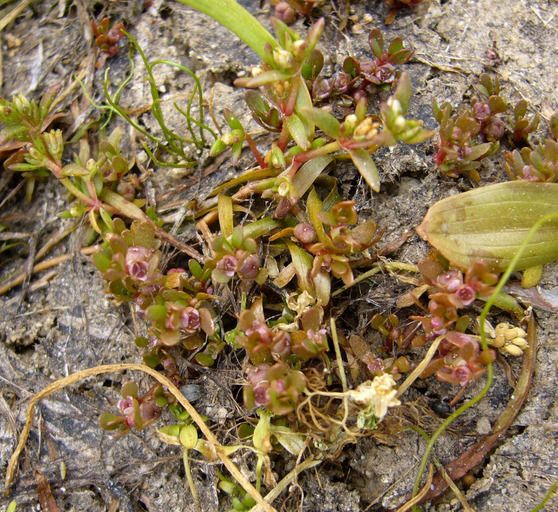
Hey there, fellow plant lovers! It’s so great to have you join me today. If you’re anything like me, you’ve probably fallen head over heels for the delicate charm of Elatine rubella. This little aquatic gem, often called the “waterwort,” brings a touch of lush green carpet to aquariums and terrariums. Its tiny, vibrant leaves add a subtle, yet sophisticated, texture that just makes a planted setup sing.
Now, the thought of propagating such a delicate plant might sound a little daunting, especially if you’re new to the gardening scene. But I’m here to tell you, it’s really quite approachable! Elatine rubella is surprisingly forgiving, making it an excellent choice for your first foray into plant propagation. Plus, there’s a special kind of joy that comes from nurturing a tiny snippet of a plant into a thriving new life.
The Best Time to Start
For the happiest, most successful propagations, I find late spring and early summer are your best bets. This is when the plant is actively growing and brimming with energy. Think of it as the plant’s prime time – it’s ready to put on a growth spurt, and that translates to great results when you’re trying to give it a little nudge to make more of itself. You can often get away with propagating at other times, but this window offers the highest chance of success with the least fuss.
Supplies You’ll Need
Before we get our hands dirty (or wet!), let’s make sure you have everything ready. This will make the whole process smoother sailing.
- Sharp Pruning Shears or Scissors: Cleanliness is key here to prevent introducing any unwanted nasties.
- Small Container or Shallow Tray: For holding your cuttings.
- Nutrient-Poor Substrate: For emersed cuttings (more on that later!). A fine sand or a specialized aquatic plant substrate works wonderfully.
- Clean Water: Dechlorinated tap water or reverse osmosis water is ideal.
- (Optional) Rooting Hormone: While Elatine rubella roots readily, a bit of hormone can sometimes give it an extra boost.
- Tweezers or Forceps: Super helpful for handling those tiny stems.
Propagation Methods
There are a couple of really effective ways to grow more Elatine rubella. Both are pretty straightforward!
Method 1: Stem Cuttings (The most common and reliable)
This is my go-to method. It’s quick, and you can get quite a few new plants from a healthy specimen.
- Take Your Cuttings: With your clean shears, carefully snip off healthy stems that are at least 1-2 inches long. Aim for sections that have several sets of leaves. Don’t be afraid to take a few!
- Prepare the Cuttings: Gently remove the lower leaves from the bottom inch of each cutting. This will prevent them from rotting once submerged.
- Rooting in Water: Place the prepared cuttings in a small glass or jar filled with clean, dechlorinated water. You want the water level to submerge the stripped part of the stem, but keep the leaves dry. If you’re using rooting hormone, dip the cut end into the powder before placing it in the water.
- Provide Light: Place the container in a bright spot, but out of direct sunlight. Too much sun can scorch those delicate leaves.
- Wait for Roots: With a little patience, you should start to see tiny white roots emerging from the nodes (where the leaves were). This usually takes about 1-2 weeks.
Method 2: Submergent Planting (for established tanks or terrariums)
If your Elatine rubella is already growing in an aquarium or terrarium, you can often propagate it directly.
- Find Healthy Growth: Look for runners or sprigs that have naturally detached or are easily accessible.
- Planting: Using tweezers, gently push the base of the stem into your substrate. Make sure some leaves are still above the substrate surface. If you’re in an aquarium, make sure it’s a nutrient-poor substrate so the plant doesn’t get too much of a good thing right away.
The “Secret Sauce” (Pro Tips)
Here are a few little tricks I’ve picked up over the years that can make a big difference.
- Avoid Leaf Rot: When propagating in water, do not let the leaves touch the water. They will quickly turn mushy and unhealthy. If your container is too full, or the cuttings are too long, you might need to trim them down or use a narrower container.
- Think “Bottom Warmth”: While not strictly necessary for Elatine rubella, providing a gentle warmth from below can significantly speed up root development. A seedling heat mat set on low can work wonders if you’re propagating a larger batch, especially if your room is on the cooler side.
- Gentle Flow is Best: If you’re propagating in an aquarium, try to place your cuttings in an area with gentle water flow, not stagnant water. This helps deliver nutrients and oxygen to the developing roots and keeps the leaves clean.
Aftercare & Troubleshooting
Once you see those beautiful roots developing (about 1/2 inch long or so), it’s time to get your new plants into their permanent home.
- Transplanting: For aquatic setups, gently transfer the rooted cuttings into your aquarium substrate. For emersed (out of water) setups, plant them in your chosen substrate in a shallow tray or container.
- Initial Care: Keep the substrate consistently moist, but not waterlogged, for emersed plants. For aquatic plants, ensure stable water parameters. Provide indirect light.
- Troubleshooting – Rot: The most common issue is rot, seen as mushy, brown stems or leaves. This is often caused by too much decaying organic matter, stagnant water, or fungal infections. Ensure you’re using clean tools and water, and remove any decaying material promptly.
- Troubleshooting – No Growth: If your cuttings aren’t showing any signs of life, check your light levels and water quality. Sometimes, they just need a bit more time or a different environment. Don’t give up too quickly!
A Little Patience Goes A Long Way
Propagating Elatine rubella is such a rewarding endeavor. Watching those tiny roots unfurl and new shoots emerge is truly a testament to the resilience of nature. Be patient with your little charges, don’t be afraid to experiment a little, and most importantly, enjoy the process of bringing more of this beautiful plant into your world. Happy propagating!
Resource:
https://identify.plantnet.org/k-world-flora/species/Elatine%20rubella%20Rydb./data