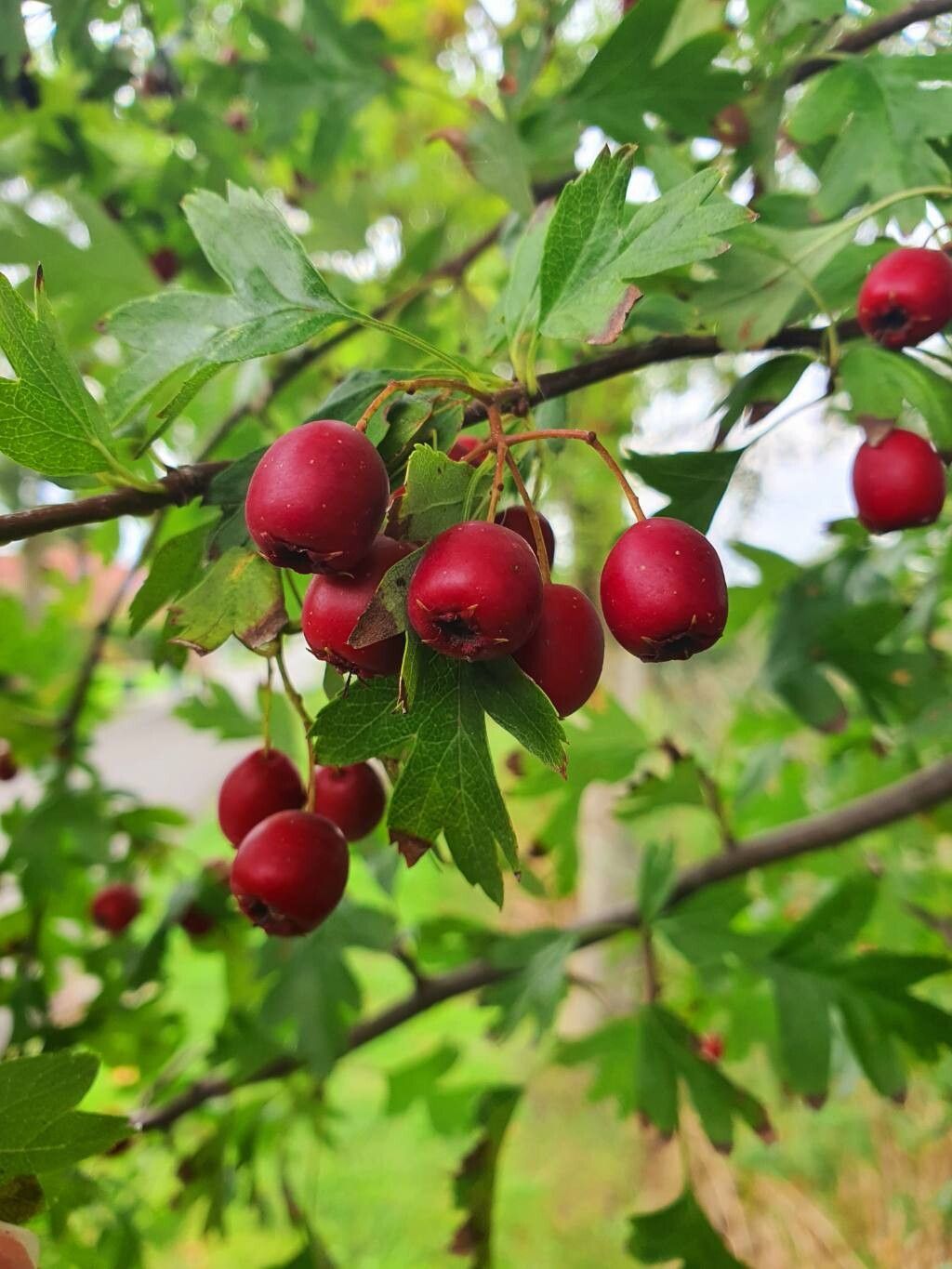
Oh, hello there! It’s so lovely to have you join me for a chat about a truly magnificent plant: the Hawthorn, or Crataegus monogyna as the botanists call it. I’ve spent two decades with my hands in the soil, and I can tell you, there’s a special kind of magic in coaxing new life from an existing plant. Hawthorns, with their delicate white spring blossoms, their hardy nature, and the delicious haws they produce in autumn, are just a joy to have around. And getting more of them? Well, that’s where the real fun begins! For beginners, I’d say propagating Hawthorn is moderately easy. It’s not quite as foolproof as a succulent, but with a little care and the right approach, you’ll be rewarded with tiny new trees in no time.
The Best Time to Start
For the most success, I’ve found that late spring or early summer is your golden window for stem cuttings. This is when the plant is actively growing and has plenty of lovely new, semi-hardened shoots that are perfect for rooting. You can also collect seeds in the autumn after the haws have ripened, but be prepared for a longer wait with those, as they require a period of cold stratification.
Supplies You’ll Need
Before we get our hands dirty, let’s make sure you have everything ready. It makes the whole process so much smoother!
- Sharp Pruning Shears or a Knife: Cleanliness is key here to prevent disease.
- Rooting Hormone: This is a helpful booster, especially for woody cuttings. Gel or powder works well.
- Potting Mix: A well-draining mix is crucial. I like a blend of peat moss, perlite, and a little bit of compost. You can buy pre-made seed starting or cutting mixes too.
- Small Pots or Trays: Clean, with drainage holes.
- Plastic Bags or a propagator: To create a humid environment.
- Watering Can with a Fine Rose: Gentle watering is essential.
- Labels: Don’t skip this! Trust me, you’ll thank yourself later.
Propagation Methods
Now, let’s get down to business! I favor stem cuttings for Hawthorn; it’s efficient and gives you a good chance of success.
Method: Stem Cuttings
- Take Your Cuttings: On a mild, overcast day (or in the early morning), select healthy, vigorous semi-ripe shoots that are about 4-6 inches long. You’re looking for stems that are slightly firm but still bendy – not too soft and floppy, and not entirely woody. Cut just below a leaf node (the point where a leaf attaches to the stem).
- Prepare the Cuttings: Gently remove the lower leaves, leaving just a couple at the top. You can lightly nick the bottom of the stem with your knife or shear to expose more surface area for rooting.
- Apply Rooting Hormone: Dip the cut end of each cutting into your rooting hormone, tapping off any excess. This really gives them a good start.
- Pot Up: Fill your clean pots with your prepared potting mix. Make a hole with a pencil or your finger in the center of each pot, then insert the cutting. Gently firm the soil around the base of the cutting to ensure good contact.
- Water Gently: Water the pots thoroughly but gently. You want the soil to be moist, not waterlogged.
- Create Humidity: Cover each pot with a clear plastic bag, pushing it down the sides to create a mini-greenhouse. You can also use a propagator lid. Ensure the plastic doesn’t touch the leaves of your cuttings.
- Find a Good Spot: Place your pots in a bright spot, but out of direct sunlight. A windowsill that gets gentle morning light is often perfect.
Method: Water Propagation (Less Reliable, but Fun to Try!)
While less consistently successful for woody plants like Hawthorn, you can try water propagation with milder stems. Take your cuttings as described above, but instead of potting them, place them in a jar or glass of clean water. Ensure no leaves are submerged, as they will rot. Keep the water fresh by changing it every few days and place in a bright location out of direct sun. You’re looking for roots to emerge from the nodes. Once you have a good set of roots (about an inch long), you can try planting them in soil.
The “Secret Sauce” (Pro Tips)
Here are a couple of things I’ve learned over the years that can make a real difference:
- Bottom Heat: If you have a heated propagator or can place your pots on a gentle heat mat, this can significantly speed up root development. Roots love a bit of warmth!
- Cleanliness is Next to Godliness: I can’t stress this enough. Sterilize your tools and pots before you start. Any lingering disease on your tools can quickly transfer to your precious cuttings and cause them to rot before they even have a chance.
Aftercare & Troubleshooting
Once your cuttings are planted, the waiting game begins! Keep the soil consistently moist but not soggy. The plastic bag or propagator will help maintain humidity, which is vital. You might see the leaves perk up and new growth appearing, which are good signs.
When will I see roots? This can vary greatly, but typically takes 4-8 weeks for stem cuttings. You can do a gentle tug on a cutting after a few weeks. If you feel resistance, it’s a good indication that roots have formed.
Troubleshooting:
- Rotting: Mushy, black stems are a clear sign of rot. This often happens from too much moisture or poor air circulation. If you see this, discard the affected cutting immediately to prevent it from spreading. Ensure your soil drains well and don’t overwater.
- Wilting: If your cuttings are wilting, it could be that they haven’t rooted yet and are losing water, or they are in too much direct sun. Move them to a shadier spot and ensure humidity is maintained.
A Encouraging Closing
Propagating Hawthorn is a journey, and like any good garden journey, it requires a little patience and a lot of observation. Don’t be discouraged if not every single cutting takes. Some just have a stronger spirit than others! Celebrate the successes, learn from the failures, and most importantly, enjoy the quiet satisfaction of nurturing new life. Happy propagating!
Resource:
https://identify.plantnet.org/k-world-flora/species/Crataegus%20monogyna%20Jacq./data