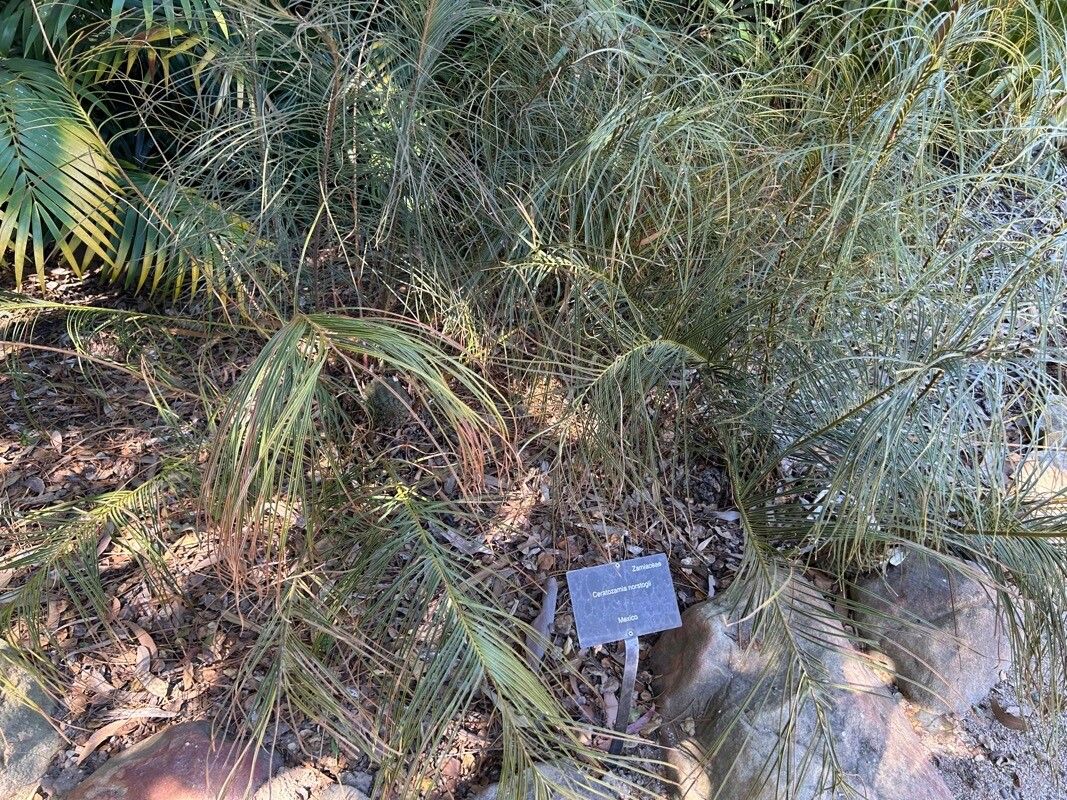
Hello dear plant friends! Today, we’re diving into the fascinating world of Ceratozamia alvarezii. If you’ve ever admired its striking, palm-like fronds and architectural form, you’re not alone. This cycad offers a touch of the prehistoric to any garden or collection, and propagating your own is incredibly satisfying. While Ceratozamia might sound intimidating, propagating alvarezii is, thankfully, quite manageable, even if you’re new to the plant parent game.
The Best Time to Start
For the highest success rate with Ceratozamia alvarezii, I always recommend starting in late spring or early summer. This is when the plant is in its active growing phase, brimming with energy and ready to put out new life. You’ll see fresh growth, which is a good indicator the plant is healthy and receptive to propagation efforts.
Supplies You’ll Need
Here’s a little handy list to get you prepped:
- Sharp, sterile pruning shears or a clean knife: We want to make clean cuts to minimize stress and disease.
- Well-draining potting mix: A good blend of cactus and succulent mix with added perlite or coarse sand is perfect. You can also create your own – think about 1 part peat, 1 part perlite, and 1 part coarse sand.
- Small to medium pots: Terracotta pots are great because they breathe. Make sure they have drainage holes!
- Rooting hormone (optional but recommended): This can give your cuttings a helpful boost. Look for a powdered or liquid product.
- Small stakes or support sticks: For helping to keep your cuttings upright.
- A spray bottle with water: For gentle misting.
- Clear plastic bag or propagation dome: To create a humid environment.
Propagation Methods
Ceratozamia alvarezii primarily propagates through division, which is usually the most successful route. While stem cuttings can be attempted, they are notoriously difficult with cycads. Let’s focus on the method that usually yields the best results.
Division
This method involves separating small offsets or pups that naturally grow around the base of the mother plant.
- Identify the pups: Gently clear away some of the soil around the base of your Ceratozamia alvarezii. You’re looking for smaller, distinct plantlets growing from the main root system. They’ll usually have their own tiny set of leaves.
- Prepare the mother plant: Before you start, it’s a good idea to give the mother plant a light watering a day or two beforehand. This helps plump up the roots and makes them a bit more pliable.
- Make the separation: Using your sharp, sterile pruning shears or knife, carefully cut the pup away from the mother plant. Try to get as much of the pup’s root system as possible. If a pup doesn’t have much in the way of roots yet, don’t worry too much, but it will take longer to establish.
- Allow to callus: This is a crucial step! Once separated, set the pup aside in a dry, shaded spot for 2-3 days. This allows the cut surface to dry and form a protective callus, which helps prevent rot.
- Potting up: Fill your chosen pot with your well-draining potting mix. Make a small hole in the center and place the callused pup in, ensuring the base of the plant is at or slightly above soil level. Gently backfill with soil and lightly firm it around the base.
- Initial Watering: Water very lightly just to settle the soil. You don’t want to saturate it at this stage.
The “Secret Sauce” (Pro Tips)
Here are a couple of things I’ve learned over the years that really make a difference:
- Don’t rush the callus: I know it’s tempting to get your new plant into soil quickly, but truly letting that cut surface dry and form a callus is the single best way to prevent rot. Patience here is rewarded tenfold.
- Think humidity, not constant wetness: Once potted, I like to place the pot inside a clear plastic bag or under a propagation dome. This creates a humid environment, but it’s vital to open it for a few minutes each day to allow for air circulation. You’re aiming for a humid microclimate, not a swamp.
Aftercare & Troubleshooting
Once your Ceratozamia alvarezii pup is potted and callused, treat it gently.
- Light: Place it in a spot with bright, indirect light. Avoid direct sun, which can scorch young plants.
- Watering: Water sparingly. Allow the soil to dry out considerably between waterings. This is where many people go wrong with cycads – they are drought-tolerant and hate soggy feet. Feel the weight of the pot; if it feels light, it’s probably time for a light drink.
- Rooting: It can take anywhere from a few weeks to several months for new roots to establish. You’ll know it’s happening when you see new leaf growth emerge from the central crown. Don’t panic if it takes a while – these plants take their time!
- Troubleshooting: The biggest enemy is rot, usually caused by overwatering. Signs include a mushy base, yellowing leaves that quickly wilt, or a foul smell from the soil. If you suspect rot, gently unpot the plant and inspect the roots and base. Cut away any rotten parts with sterile tools and let it callus again before repotting in fresh, dry soil.
A Little Encouragement
Propagating Ceratozamia alvarezii is a wonderful journey. Remember to be patient with your new little cycad. Nature works on its own timeline, and your role is to provide the right conditions and then step back. Enjoy the process of nurturing new life; it’s one of the most rewarding aspects of gardening! Happy propagating!
Resource: