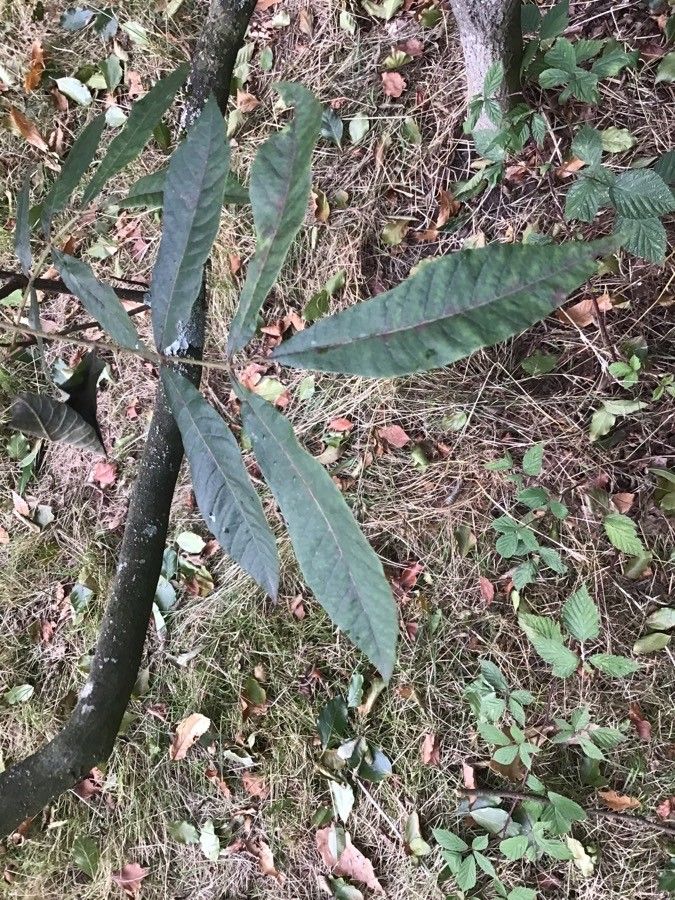
Oh, hello there! Pull up a chair and let’s chat about a truly special tree: the Water Hickory, or Carya aquatica. If you’re drawn to native plants that offer beauty and function along with a touch of the wild, you’re going to love this one. Its elegant sweep and the satisfying crunch of its nuts (though not commonly eaten by us humans!) make it a wonderful addition to any landscape that has a bit of moisture to offer. And the best part? Bringing more of these beauties into the world yourself! Propagating them is a journey, and I’ve found it deeply rewarding. Now, for the nitty-gritty – is it a walk in the park for a first-timer? Honestly, I’d say it sits in the moderate category. It asks for a little more specific care than, say, a Geranium cutting, but the results are absolutely worth the attention to detail.
The Best Time to Start
When it comes to getting those tiny roots to sprout, timing is everything. For Carya aquatica, the sweet spot for propagation is in the late spring or early summer. This is when the tree is actively growing and has the most energy reserves. We’re looking for semi-hardwood cuttings – think about a stem that’s just starting to firm up, not completely soft and green, but not yet woody and old. It should be flexible enough to bend without snapping easily.
Supplies You’ll Need
Before we dive in, let’s get our toolkit ready. Having everything organized makes the whole process smoother.
- Sharp Pruning Shears or a Clean Knife: For making clean cuts.
- Rooting Hormone: This isn’t strictly mandatory, but it really boosts your success rates. Look for one formulated for woody plants.
- A Well-Draining Potting Mix: I find a blend of peat moss or coco coir, perlite, and a bit of coarse sand works wonders. About a 1:1:1 ratio is a good starting point.
- Small Pots or Trays: With drainage holes, of course!
- A Clear Plastic Bag or Dome: To create a humid environment.
- Labels: So you don’t forget what you’ve planted where!
- Watering Can with a Fine Rose: Gentle watering is key.
- (Optional) Bottom Heat Mat: This is a game-changer, especially if your propagation area is a bit cool.
Propagation Methods
While Carya aquatica can be propagated from seed, it’s a long game and can be a bit of a gamble with germination rates. Personally, I find taking stem cuttings to be the most reliable and rewarding method for home gardeners.
Here’s how I do it:
- Take Your Cuttings: On a cool, overcast morning (or late afternoon) in late spring/early summer, select healthy, vigorous stems from your mature Water Hickory. Using your sharp pruning shears or knife, take cuttings that are about 4-6 inches long. Make a clean cut just below a leaf node (where a leaf meets the stem).
- Prepare the Cuttings: Gently remove the leaves from the bottom half of the cutting. If the remaining leaves are very large, you can cut them in half horizontally. This reduces water loss.
- Apply Rooting Hormone: Dip the bottom inch or so of each cutting into rooting hormone, tapping off any excess.
- Plant Your Cuttings: Fill your pots with the prepared well-draining potting mix. Make a pilot hole with a pencil or dibber so you don’t rub off all the rooting hormone. Insert the cuttings into the holes, ensuring the bottom nodes are buried (this is where roots will form). Firm the soil gently around them.
- Create a Humid Environment: Water everything well, allowing excess water to drain away. Place the pots inside a clear plastic bag, propped up with stakes so the bag doesn’t touch the leaves, or cover them with a clear plastic dome. This traps humidity, which is crucial for cuttings that can’t yet absorb water through their roots.
- Find a Suitable Spot: Place the pots in a bright location but out of direct sunlight. Too much sun will scorch the cuttings.
The “Secret Sauce” (Pro Tips)
Over the years, I’ve learned a few little tricks that make a big difference.
- The Bottom Heat Advantage: If you can manage it, place your pots on a bottom heat mat. This little boost of warmth from below encourages root development like nothing else. It really speeds things up!
- The Cleanliness Rule: Always, always use clean tools and pots. Damping off and fungal diseases are the bane of propagation, and a good scrub-down is your first line of defense.
- Don’t Rush the Dip: When you dip your cuttings in rooting hormone, give them a moment to adhere properly. Don’t rush this step. A good coating is key to signaling those cells to get to work.
Aftercare & Troubleshooting
Once your cuttings are planted, the patience game begins. Keep the soil consistently moist but not waterlogged. You can check the moisture by gently probing the soil with your finger. Mist the leaves occasionally, especially if you don’t have a dome.
You’ll know your cuttings are developing roots when you see new leaf growth. You can also gently tug on a cutting – if it resists, roots are forming! This usually takes anywhere from 4-8 weeks, sometimes longer.
What if things go wrong? The most common issue is rot. If your cuttings look mushy, black, or are falling over, it’s usually a sign of too much moisture and not enough air circulation. Unfortunately, at that point, they’re usually beyond saving. Yellowing leaves can sometimes mean it’s not getting enough light, or simply that it’s shedding its lower leaves as it prepares to root.
A Encouraging Closing
Propagating Carya aquatica is a wonderful way to connect with nature and multiply the beauty you enjoy. Don’t be discouraged if your first attempt isn’t a roaring success. Every cutting, every season, is a learning experience. Be patient, observe your little starts, and celebrate every tiny spark of life you coax from them. Happy propagating!
Resource: