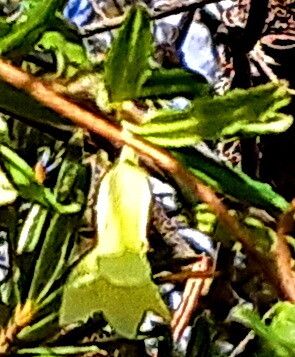
Hello there, fellow garden enthusiasts! If you’re anything like me, you’ve probably fallen head over heels for the charm of Billardiera scandens, our delightful Australian native climber. Those delicate flowers, followed by those alluring edible berries… it’s simply magical! And the best part? You don’t need to buy a whole new plant to enjoy more of its beauty. Propagating Billardiera scandens is incredibly satisfying, and honestly, it’s not as daunting as you might think, even for those of you just starting to get your hands dirty.
The Best Time to Start
For the highest success rate with Billardiera scandens, late spring to early summer is your golden ticket. This is when the plant is actively growing, brimming with vitality. You’ll want to take cuttings from stems that have plenty of leaves but aren’t yet woody. Think of it as taking a cutting from a piece that’s just ‘finished’ flowering, but still has that youthful vigor.
Supplies You’ll Need
Gathering your tools beforehand makes the whole process smooth sailing. Here’s what you’ll want handy:
- Sharp, clean pruning shears or a sharp knife: To make clean cuts.
- Rooting hormone (optional but recommended): I find it really gives cuttings a helpful boost.
- Seedling trays or small pots: Clean ones, please!
- A light, well-draining potting mix: A blend of perlite and peat moss or coir works beautifully. You can even buy specific seed-starting mixes.
- A plastic bag or cloche: To create a humid environment for your cuttings.
- Spray bottle: For misting.
- Labels: So you remember what you propagated and when!
Propagation Methods
Let’s get propagating! I usually have the most luck with stem cuttings.
- Select Your Cuttings: Look for healthy, semi-hardwood stems that are about 10-15 cm long. Gently remove the lower leaves. You can leave two or three sets of leaves at the top.
- Make the Cut: Beneath a leaf node (where a leaf joins the stem), make a clean cut. This is where the roots will likely emerge. You can also nick the bottom of the stem slightly to expose more surface area for rooting.
- Apply Rooting Hormone (Optional): Dip the cut end of the stem into your rooting hormone powder, tapping off any excess.
- Plant Your Cuttings: Fill your clean pots or trays with your prepared potting mix. Make a hole with a pencil or your finger deep enough to insert the cutting. Gently push the cutting into the soil, ensuring the nodes where you removed the leaves are buried. Firm the soil gently around it.
- Create a Humid Environment: Water your cuttings gently and then cover the pot with a clear plastic bag or an upside-down plastic container to create a mini-greenhouse. Ensure the leaves don’t touch the plastic bag, as this can encourage rot.
The “Secret Sauce” (Pro Tips)
Here are a few little tricks I’ve picked up over the years that really make a difference:
- Bottom Heat is Your Friend: If you can, placing your pots on a heated propagator mat or even a warm windowsill (that doesn’t get direct scorching sun) can significantly speed up root development. Billardiera scandens loves a bit of warmth from below.
- Morning Mist, Afternoon Shade: While you want to keep the humidity high inside your plastic dome, avoid letting the soil become waterlogged. Give your cuttings a light misting with your spray bottle in the morning, and ensure they aren’t in direct, harsh sunlight, especially in the afternoon. Bright, indirect light is perfect.
- Patience is a Virtue (and a Necessity): Don’t be tempted to pull up your cuttings too soon to check for roots. It can seriously damage delicate new growth. I usually wait at least 6-8 weeks before even considering it. Resist the urge!
Aftercare & Troubleshooting
Once you see new growth emerging, that’s a good sign that roots have formed! Gradually acclimatize your new plant to normal conditions by opening the plastic bag a little each day over a week. Water sparingly, allowing the soil to dry slightly between waterings.
The most common pitfall is rot. If your cuttings turn black and mushy, it’s usually a sign of too much moisture and not enough air circulation. In this case, unfortunately, it’s best to discard them and try again, ensuring your soil drains well and you’re not overwatering initially. If the leaves just start to wither and fall off without rot, it could be too dry, or the plant is struggling to establish roots.
And there you have it! Propagating Billardiera scandens is such a rewarding way to expand your garden or share these beautiful plants with friends. Be patient, keep it humid but not soggy, and you’ll have tiny new plants in no time. Happy gardening!
Resource:
https://identify.plantnet.org/k-world-flora/species/Billardiera%20scandens%20Sm./data