Hello, fellow plant lovers!
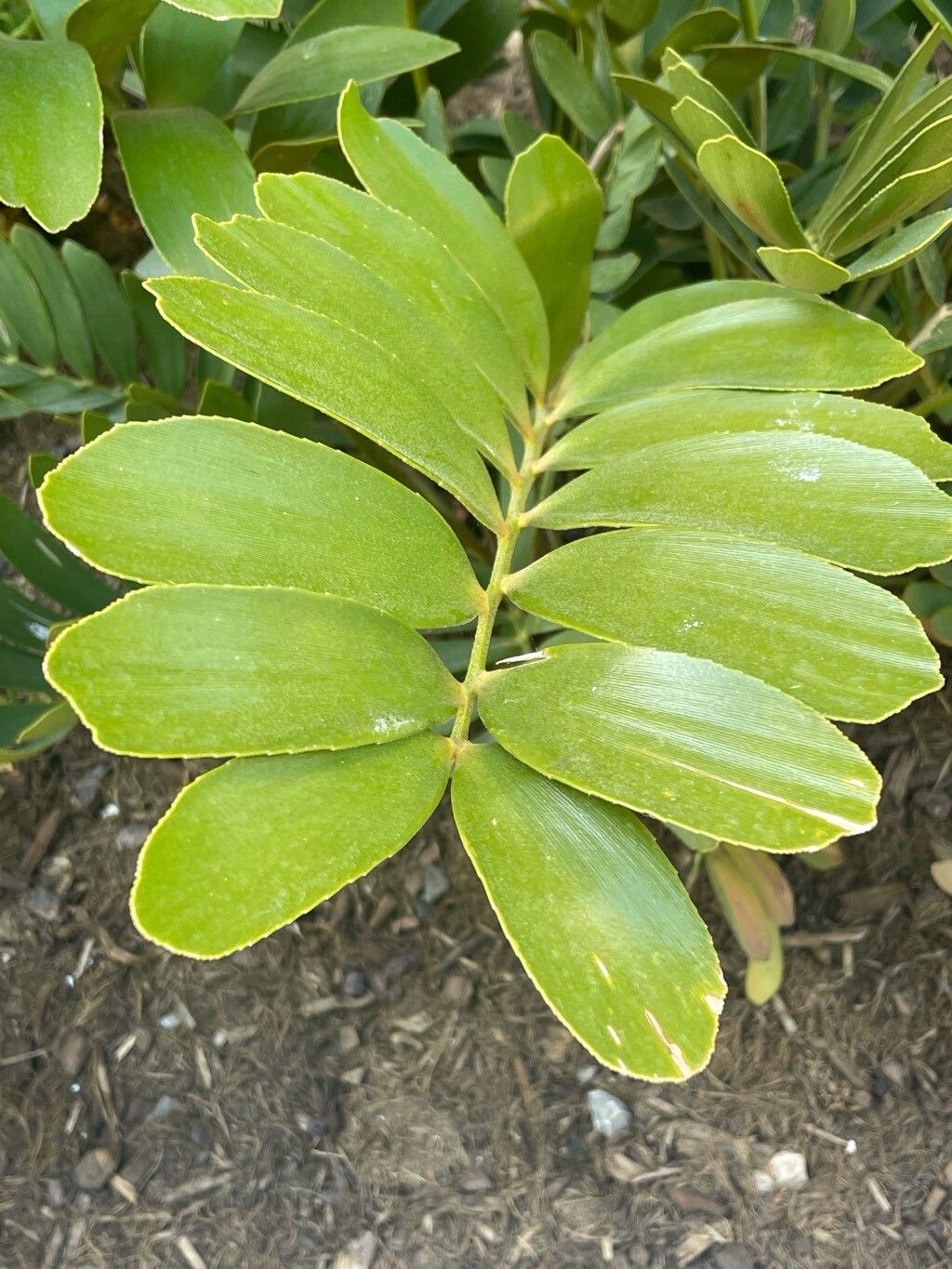
There’s something truly special about bringing new life into your garden, isn’t there? And when it comes to the wonderfully architectural Zamia furfuracea, also known as the Cardboard Palm, propagating it yourself is an incredibly rewarding endeavor. These plants, with their tough, leathery fronds that unfurl from a central, often chunky trunk, bring a touch of the prehistoric and the exotic to any space. Plus, sharing these beauties with friends or simply enjoying the feeling of accomplishment makes it all the more worthwhile. Now, I’ll be honest, Zamias aren’t always the easiest plants to propagate for absolute beginners compared to, say, a Pothos. But with a little patience and the right approach, it’s absolutely achievable. Let’s get started!
The Best Time to Start
For the highest success rate with your Zamia furfuracea, aim to propagate during its active growing season. This typically falls in the late spring or early summer. The plant is full of energy at this time, and the warmer temperatures provide ideal conditions for rooting. Starting when the plant is robust and actively producing new growth will give your cuttings the best chance to thrive.
Supplies You’ll Need
- Sharp, clean pruning shears or a sturdy knife: For making clean cuts.
- Well-draining potting mix: A cactus and succulent mix is perfect, or you can create your own by combining potting soil with perlite and coarse sand.
- Rooting hormone (optional but recommended): This can significantly speed up the rooting process. Look for one with IBA.
- Small pots or containers: With good drainage holes.
- Misting bottle: For keeping humidity levels up.
- Clear plastic bag or propagation dome: To create a humid environment.
- Labels and a marker: To keep track of your projects.
Propagation Methods
The most reliable way to propagate Zamias is through offsets or pups that grow from the base of the mother plant. Sometimes, you can also propagate from stem cuttings, though this can be a bit more involved.
Propagating from Offsets (Pups)
- Gentle Extraction: Carefully inspect the base of your mature Zamia. You’ll often see small plantlets, or pups, emerging from the sides of the main trunk.
- Prepare Your Tools: Make sure your pruning shears or knife are thoroughly cleaned and sterilized.
- Make the Cut: Gently separate the offset from the mother plant. If possible, try to get a pup that already has some small roots attached. If not, don’t worry, it will grow them. Make a clean cut right where it connects to the main trunk.
- Callusing: This is a super important step! Allow the cut end of the offset to air dry and form a callus for at least 2-3 days in a dry, well-ventilated spot. This prevents rot when you plant it.
- Apply Rooting Hormone (Optional): Once callused, you can dip the cut end into rooting hormone if you choose.
- Planting: Fill a small pot with your well-draining mix. Make a small hole in the center and plant the offset securely, ensuring the base is covered by soil.
- Initial Watering Lightly: Water very sparingly, just enough to settle the soil around the base. You don’t want soggy roots from the get-go.
Propagating from Stem Cuttings (More Advanced)
This method involves taking a segment of the main trunk, which is more challenging and requires careful attention to prevent rot.
- Select a Healthy Stem: Choose a firm, healthy section of the trunk, ideally at least 4-6 inches long.
- Sterilize Your Cuts: Use a very sharp, sterile knife or saw to make a clean cut – one from the mother plant and one where you’ll be dividing the cutting.
- Callusing is Crucial: Similar to offsets, allow the cut ends of the stem cutting to dry and callus over for a week or even two. This is non-negotiable to prevent rot.
- Rooting Hormone Application: Dip the callused end you’ll be planting into rooting hormone.
- Planting: Fill a pot with your cactus/succulent mix. Plant the stem cutting upright, burying at least half of its length in the soil.
- Maintain Humidity: This is where the magic happens. Cover the pot loosely with a clear plastic bag or place it under a propagation dome. Keep it in a warm, bright spot, but out of direct, harsh sunlight.
The “Secret Sauce” (Pro Tips)
- Bottom Heat is Your Friend: If you’re having trouble getting cuttings to root, especially stem cuttings, placing the pot on a gentle seedling heat mat can make a world of difference. It encourages root development from below.
- Don’t Overwater, Ever! Zamias are succulents at heart. They store water in their caudex (the trunk) and roots. Overwatering is the fastest way to kill a cutting. Err on the side of too dry rather than too wet. Wait until the soil is almost completely dry before watering again.
- Patience, Grasshopper: Zamias are slow growers. Seriously. You might not see any signs of new growth or roots for several weeks, sometimes even months. Resist the urge to dig them up to check for roots – this can damage delicate new formations. Trust the process!
Aftercare & Troubleshooting
Once your offset or cutting has roots and starts to show a bit of new growth (new fronds emerging), it’s time to treat it like a young Zamia.
- Gradual Acclimation: If you used a plastic bag for humidity, gradually remove it over a week or two to allow the plant to adjust to normal air conditions.
- Light Requirements: Place your new plant in a spot with bright, indirect sunlight. Too much direct sun can scorch young leaves.
- Watering: Continue with light watering, allowing the soil to dry out between waterings.
- Fertilizer: Wait until you see consistent new growth before offering a diluted succulent fertilizer perhaps once a month during the growing season.
Troubleshooting:
- Rotting: This is the most common issue. Signs include mushy, blackening stems or roots, and a foul smell. If you see this, it’s usually due to overwatering or poor drainage. You may need to discard the affected cutting and start again, ensuring your soil is airy and your watering is conservative.
- No Growth: As mentioned, patience is key. If after several months there’s still absolutely no sign of life, and the stem/offset still feels firm, it might just be taking its sweet time. If it feels soft and squishy, rot has likely set in.
A Encouraging Closing
Growing your own Zamia furfuracea from cuttings or pups is such a fulfilling journey. It teaches you a lot about plant patience and understanding their specific needs. Don’t get discouraged if your first attempt isn’t a runaway success. Every gardener has had their share of plant parenting oopsies! Observe, learn, and enjoy the process of nurturing these unique plants into existence. Happy propagating!
Resource:
https://identify.plantnet.org/k-world-flora/species/Zamia%20furfuracea%20L.f.%20ex%20Aiton/data