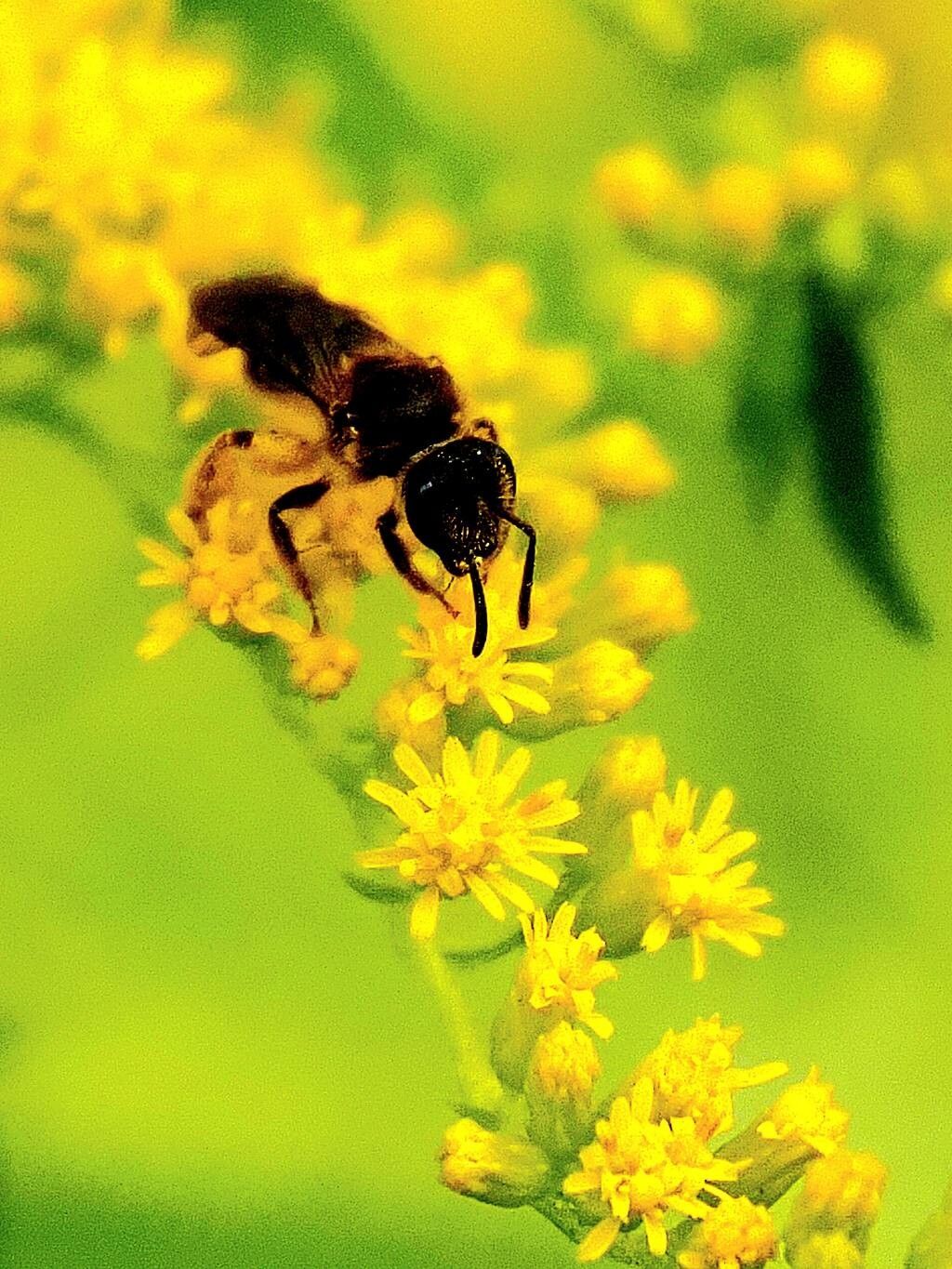
Hello there, fellow garden enthusiasts! It’s so lovely to share a bit of my horticultural journey with you today. I want to talk about a plant that truly warms my heart: Solidago rugosa, or roughstem goldenrod. If you love those sunny bursts of yellow that stretch all the way into autumn, you’re going to adore this one. It’s a fantastic native plant, a magnet for pollinators, and honestly, the source of so much late-season joy in my own garden.
Now, if you’re wondering if propagating Solidago rugosa is a feat only reserved for seasoned pros, let me put your mind at ease. I’d say it’s quite beginner-friendly! It’s a pretty robust plant, and with a little care, you’ll be able to share its sunshine with friends (or just fill up more sunny spots in your own landscape). The reward of watching those tiny beginnings transform into vibrant specimens is truly unparalleled.
The Best Time to Start
For the highest chance of success, I find the late spring to early summer is the sweet spot for propagating Solidago rugosa. You want to catch it when it’s actively growing, but before it gets too stressed by the intense heat of mid-summer or starts to focus all its energy on flowering. Taking cuttings or dividing clumps during this time allows the new sections to establish themselves well before cooler weather arrives.
Supplies You’ll Need
Gathering your tools beforehand makes the whole process so much smoother. Here’s what I usually have on hand:
- Sharp pruning shears or a clean knife: For making clean cuts.
- Rooting hormone (optional but recommended): Especially helpful for stem cuttings.
- A light, well-draining potting mix: I like a blend of good quality potting soil with perlite or coarse sand mixed in. You can also use a seed-starting mix.
- Small pots or trays: Clean ones are key to preventing disease.
- Watering can with a fine rose attachment: To water gently.
- Plastic bags or a propagation dome: To create a humid environment.
- Labels and a permanent marker: To keep track of what’s what!
Propagation Methods
There are a couple of really effective ways to increase your Solidago rugosa stock. I tend to go for these two:
Stem Cuttings
This is a fantastic method for getting more plants quickly.
- Take your cuttings: In late spring or early summer, select healthy, non-flowering stems. Look for stems that are about 4-6 inches long. Using your sharp pruning shears, make a clean cut just below a leaf node (where a leaf attaches to the stem). Remove the lower leaves, leaving just a couple at the top.
- Apply rooting hormone (optional): Dip the cut end of the stem into rooting hormone, tapping off any excess.
- Plant your cuttings: Fill your small pots with your prepared potting mix. Make a small hole in the center of each pot with your finger or a pencil. Gently insert the cutting into the hole, ensuring the leaf nodes (where you removed the leaves) are below the soil surface. Firm the soil gently around the base of the cutting.
- Water and cover: Water thoroughly but gently. To create a humid environment, you can place a plastic bag over the pot (propping it up with stakes so it doesn’t touch the leaves) or cover the tray with a propagation dome.
- Provide bright, indirect light: Place the pots in a bright location, but out of direct, scorching sunlight.
Division
This is my go-to when I want to rejuvenate an older clump or have a plant I’m just not a huge fan of splitting up.
- Dig up the clump: In late spring or early summer, carefully dig up the entire Solidago rugosa clump using a spade. You want to get as much of the root system as possible.
- Inspect and divide: Gently shake off excess soil. You should be able to see where the plant naturally wants to divide based on its growth. You can use your hands to pull apart sections, or if it’s a bit stubborn, use a clean, sharp spade or knife to cut through the root ball. Aim for divisions that have at least a few stems and a good portion of roots.
- Replant immediately: Plant the divisions in their new locations or into pots filled with good soil. Make sure they are planted at the same depth they were previously growing.
- Water well: Give the newly planted divisions a good, deep watering to settle the soil around the roots.
The “Secret Sauce” (Pro Tips)
Here are a couple of things I’ve learned over the years that can really make a difference:
- Don’t let the leaves touch the water (for stem cuttings): If you’re doing stem cuttings and choose to root them in water – which is also a viable option for Solidago rugosa! – make absolutely sure that no leaves are submerged. They’ll rot quickly and invite disease. Only the stem should be in the water.
- Bottom heat is a game-changer: For stem cuttings, if you can provide a bit of gentle warmth from below, it really encourages root development. A heating mat designed for plants works wonders. It mimics the warmth of spring soil and gives those cuttings a real boost.
Aftercare & Troubleshooting
Once those little roots start to appear, it’s time to nurture your new plant babies!
- For stem cuttings: Once you see new leaf growth and feel resistance when you gently tug on the stem (indicating roots have formed), it’s time to gradually acclimate them to drier air. Remove the plastic bag or dome for increasing periods over a few days. Once they’re fully hardened off, you can pot them up into slightly larger containers or plant them directly in the garden in a sunny spot. Continue to water them regularly, keeping the soil consistently moist but not waterlogged.
- For divisions: Keep the soil consistently moist for the first few weeks as they establish. This is especially important during drier spells. Mulching around them can help retain moisture and suppress weeds.
The most common issue you might encounter is rot. This usually happens from overwatering or poor drainage, especially with cuttings. If you see stems turning mushy and black, unfortunately, that cutting is likely lost. Move any affected pots away from others and adjust your watering. Ensure your soil drains well; that’s your first line of defense.
A Encouraging Closing
Remember, gardening is a journey, and propagation is a wonderful part of it. Be patient with your Solidago rugosa. Some will take off faster than others, and that’s perfectly okay. Enjoy the process of nurturing these new plants, and soon you’ll have a garden filled with even more of that glorious golden sunshine. Happy propagating!
Resource:
https://identify.plantnet.org/k-world-flora/species/Solidago%20rugosa%20Mill./data