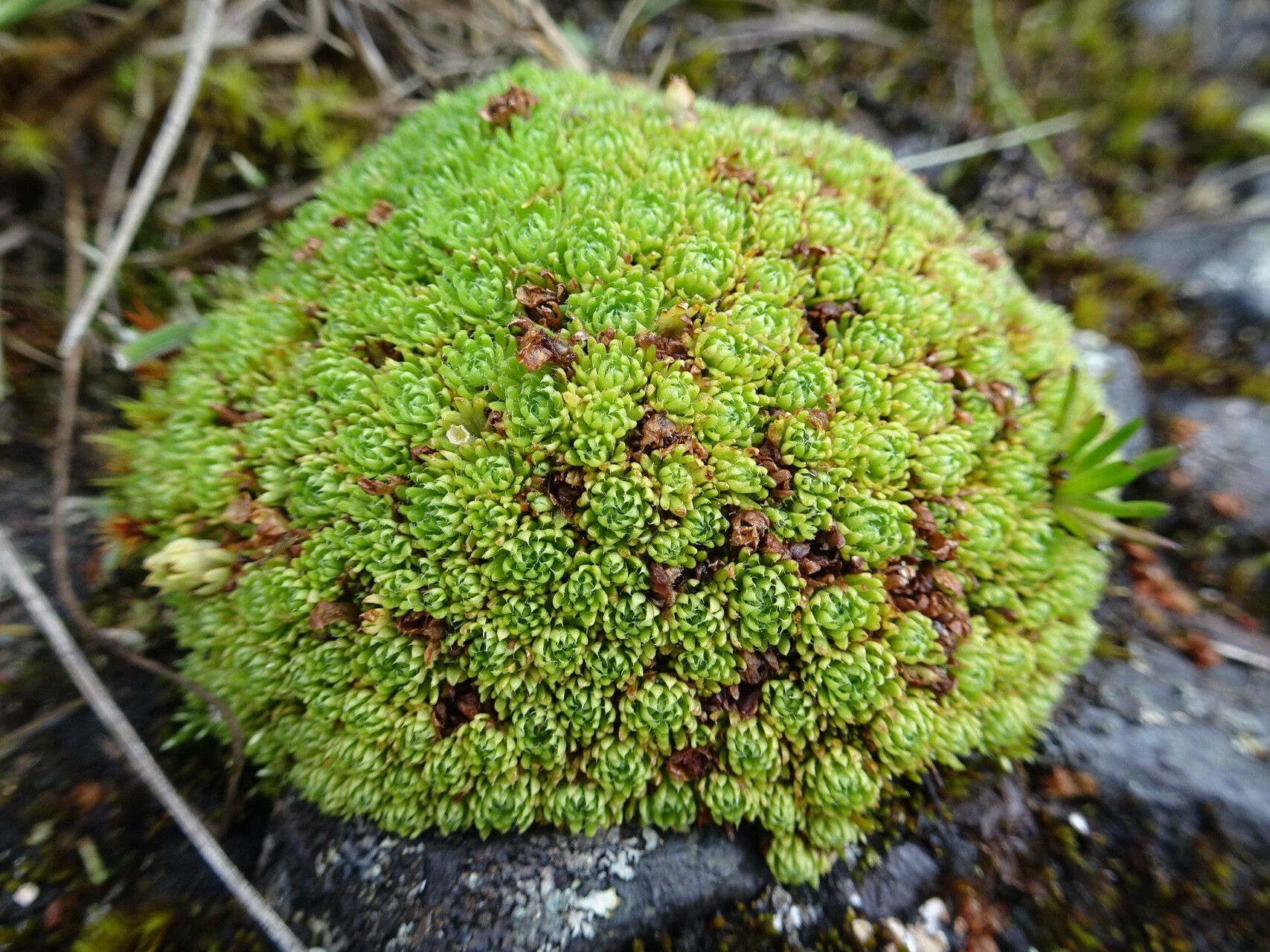
Oh, hello there! Pull up a chair, won’t you? I’m so excited to chat with you today about one of my favorite little treasures: Saxifraga boussingaultii. Isn’t it just a darling? Its delicate, star-shaped blooms, often in shades of pink or white, bring such a romantic, almost whimsical touch to shady corners or rockeries. And the leaves! So often a lovely silvery green, sometimes with hints of bronze.
The best part? These beauties are surprisingly easy to multiply! Propagating Saxifraga boussingaultii is a wonderfully rewarding process, giving you more of these gems to share or fill out your own garden. While no plant is entirely foolproof, I’d say this one is quite forgiving, even for relative newcomers to the world of propagation. You’ve got this!
The Best Time to Start
For Saxifraga boussingaultii, the sweet spot for propagation is usually late spring to early summer. This is when the plant is actively growing and has produced plenty of healthy new shoots. You want to catch them at a vigorous stage, when they’re full of life and ready to put down roots. Waiting until after the main flush of blooms has passed is also a good idea, as the plant can then focus its energy on vegetative growth.
Supplies You’ll Need
Gathering your tools beforehand makes the whole process so much smoother. Here’s what I like to have on hand:
- Sharp, clean pruning shears or a sharp knife: For making clean cuts.
- Small pots or seed trays: With good drainage holes.
- A well-draining potting mix: I often use a blend of peat moss or coir, perlite, and a little bit of coarse sand. Avoid anything too heavy that will hold excess moisture.
- Rooting hormone (optional but recommended): A good quality rooting powder or gel can give those cuttings the encouraging boost they need.
- A spray bottle: For misting.
- A clear plastic bag or propagator lid: To create a humid environment.
- Labels and a marker: So you don’t forget what’s what!
Propagation Methods
Saxifraga boussingaultii is wonderfully amenable to a couple of straightforward propagation methods. Let’s dive in!
Division
This is often the easiest way to get more Saxifraga boussingaultii, especially if you have an established clump.
- Gently dig up the parent plant. Do this in the late spring or early summer, when the soil is moist but not waterlogged.
- Carefully tease apart the root ball. You’re looking for distinct rosettes or sections of the plant that have their own roots attached. If it’s really stubborn, you can use a clean knife to help.
- Inspect the divisions. Make sure each piece has healthy roots and at least a few leaves or growing points.
- Pot up the divisions. Plant them in your prepared well-draining mix in individual small pots.
- Water them in gently. Keep the soil consistently moist but not soggy.
- Place them in a shaded spot. Protect them from direct sun while they establish.
Stem Cuttings
This method is fantastic when your plant has grown new, non-flowering shoots.
- Select healthy stems. Look for young, tender shoots that are about 2-4 inches long and haven’t flowered.
- Make clean cuts. Using your sharp shears or knife, cut just below a leaf node (where a leaf grows from the stem).
- Prepare the cuttings. Gently remove the lower few leaves to expose the nodes. This is where the roots will emerge.
- Dip in rooting hormone (optional). If you’re using it, dip the cut end into the rooting hormone, tapping off any excess.
- Insert into the potting mix. Make a small pilot hole with a pencil or your finger, then gently insert the cutting, ensuring the bottom nodes are buried.
- Water lightly. Water the soil around the base of the cuttings.
- Create a humid environment. Cover the pots loosely with a clear plastic bag or a propagator lid. This is crucial for preventing the cuttings from drying out before they root.
- Place in bright, indirect light. Avoid direct sun, which can scorch the delicate cuttings.
The “Secret Sauce” (Pro Tips)
After years of coaxing these little ones into existence, I’ve learned a few tricks that really make a difference.
- Don’t let the leaves touch the water (if using water propagation). If you choose to try rooting cuttings in water (which Saxifraga boussingaultii can sometimes tolerate, though soil is generally more reliable), make sure no leaves are submerged. Submerged leaves will just rot and can take the whole cutting down with them.
- Bottom heat is your friend. For stem cuttings, placing the pots on a gentle heat mat can significantly speed up root development. Even a slightly warm windowsill can offer a bit of encouragement.
- Be patient with dormant buds. Sometimes, a cutting might look like it’s not doing much for a while. Don’t give up too soon! Keep the conditions consistent, and you might be surprised by a tiny new leaf unfurling when you least expect it.
Aftercare & Troubleshooting
Once you see those first signs of root development – perhaps a bit of new growth, or a gentle tug on the cutting meeting resistance – it’s time to shift your focus to aftercare.
- Gradually reduce humidity. Once roots have formed, you can slowly start to ventilate the propagator or remove the plastic bag for longer periods, allowing the new plants to acclimate to drier air.
- Continue to water carefully. Keep the soil consistently moist but never soggy. Overwatering is the quickest way to invite root rot, which is the most common problem. You might see the leaves turn yellow and mushy if this happens.
- Bright, indirect light is still key. As the plants grow stronger, you can gradually introduce them to slightly more light, but still avoid harsh, direct sun.
- Watch for wilting. This can indicate either not enough water or, paradoxically, too much water leading to root damage. Feel the soil and assess.
- Signs of pests. While not as common with propagation, keep an eye out for tiny pests like aphids or spider mites, especially if the parent plants were affected. A gentle wash or insecticidal soap can usually sort them out.
A Little Encouragement
There you have it! Propagating Saxifraga boussingaultii is a journey that’s more about careful observation and a touch of patience than complex horticultural techniques. Don’t be discouraged if your first few attempts aren’t perfect. Every gardener, myself included, has had their little mishaps. The joy is in the process, in nurturing these tiny lives and watching them unfurl. So, go ahead, gather your supplies, and enjoy the rewarding experience of creating more of these delightful plants! Happy gardening!
Resource:
https://identify.plantnet.org/k-world-flora/species/Saxifraga%20boussingaultii%20Brongn./data