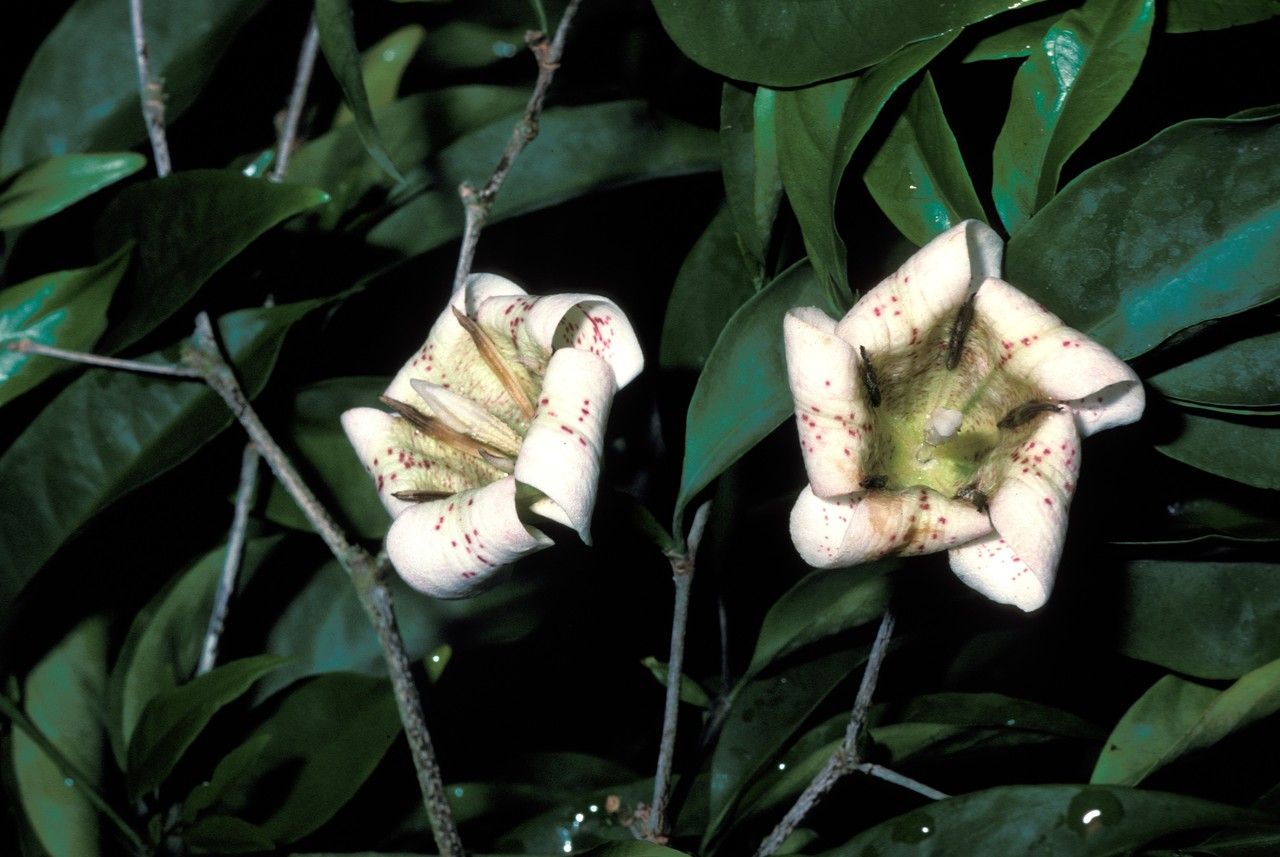
Oh, hello there! So glad you’ve stopped by. Today, we’re going to talk about a plant that absolutely steals my heart every single time: Rothmannia annae. If you haven’t had the pleasure, imagine glossy, dark green leaves reaching for the sky, adorned with the most exquisite, trumpet-shaped white flowers that smell divine. They are truly a tropical treasure to have in your home or garden.
And the best part? You can easily bring more of that beauty into your life by propagating them! It’s such a rewarding feeling to take a tiny piece of a plant you love and watch it grow into its own, a little piece of your gardening joy multiplied. Now, I won’t sugarcoat it – Rothmannia annae can be a little bit finicky, so it might not be the absolute easiest for a complete beginner, but with a little patience and following these steps, you’ll be well on your way to success.
The Best Time to Start
For the highest success rate with Rothmannia annae, spring and early summer are your golden ticket. This is when the plant is actively growing and has the energy reserves to put into developing new roots. You’re looking for healthy, semi-hardwood stems – think of the new growth that’s started to firm up a bit, but isn’t old and woody. It should snap cleanly when you try to bend it, rather than just wilting.
Supplies You’ll Need
Gathering your tools beforehand makes the whole process so much smoother. Here’s what I always have on hand:
- Sharp Pruning Shears or a Clean Knife: For making clean cuts. Dull tools can bruise the stems and invite disease.
- Rooting Hormone (Powder or Gel): This really gives your cuttings a boost. Willow Water can also be a natural alternative.
- Well-Draining Potting Mix: A good blend is equal parts perlite, coarse sand, and peat moss or coco coir. You want air to get to those roots.
- Small Pots or Trays: Clean pots are essential to prevent disease.
- Clear Plastic Bag or Humidity Dome: To maintain that crucial high humidity around your cuttings.
- Watering Can or Spray Bottle: For gentle watering.
- Labels: To keep track of what you’ve propagated and when.
Propagation Methods
I find stem cuttings to be the most reliable method for Rothmannia annae. It’s straightforward and gives you a good chance of success.
Stem Cuttings
- Take Your Cuttings: With your clean shears, select healthy stems from your ‘mother’ plant. Aim for cuttings that are about 4-6 inches long. Make your cut just below a leaf node (where a leaf attaches to the stem).
- Prepare the Cuttings: Gently remove the lower leaves, leaving just two or three at the top. This helps the cutting conserve energy. If the remaining leaves are very large, you can cut them in half horizontally to further reduce water loss through transpiration.
- Apply Rooting Hormone: Dip the cut end of each stem into your rooting hormone, following the product’s instructions. Tap off any excess.
- Pot Them Up: Fill your clean pots with your prepared, slightly moist potting mix.
- Insert the Cuttings: Make a small hole in the center of the mix with a pencil or your finger. Gently insert the cutting, ensuring the leaf nodes that were below the soil line are covered.
- Firm the Soil: Lightly firm the soil around the base of the cutting to ensure good contact.
- Create a Humid Environment: Water the pots gently. Then, cover the pots with a clear plastic bag or a humidity dome. Make sure the plastic bag doesn’t touch the leaves. You can use skewers or stakes to prop it up.
- Location, Location, Location: Place the pots in a warm spot with bright, indirect light. Avoid direct sun, which can scorch those tender cuttings.
The “Secret Sauce” (Pro Tips)
Here are a couple of things that make a big difference for me:
- Warmth is Key: Rothmannia annae absolutely thrives with bottom heat. If you have a seedling heat mat, pop your pots on it. This encourages root development from below, dramatically increasing your success rate. You can even fashion a DIY version using a heating pad on a low setting placed under the tray of pots, but be very careful it doesn’t overheat.
- Don’t Disturb Too Soon: It’s tempting to peek and pull, but resist the urge to check for roots too often. Wait at least 4-6 weeks. When you do check, a gentle tug is usually enough. If there’s resistance, you have roots! If it pulls out easily, it hasn’t rooted yet.
Aftercare & Troubleshooting
Once you see signs of new growth – tiny leaves unfurling, or you feel that resistance when gently tugging – you know your cutting has rooted!
- Gradual Acclimation: Slowly start to acclimate your new plants to lower humidity. Gradually open the plastic bag or dome over a week or two.
- Watering: Water when the top inch of soil feels dry. Overwatering is the quickest way to kill a new cutting.
- Fertilizing: Once your plant has several sets of new leaves and seems well-established, you can start feeding it with a weak, balanced liquid fertilizer diluted to half strength, about once a month during the growing season.
The most common problem you’ll encounter is rot. This usually happens because of overwatering, poor drainage, or lack of air circulation. If a cutting starts to look yellow, mushy, or black at the base, it’s likely succumbed to rot. Unfortunately, there’s usually no coming back from that. Remove it immediately to prevent it from affecting other cuttings.
A Encouraging Closing
So there you have it! Propagating Rothmannia annae is a bit of a waiting game, but oh-so-worth-it. Be patient with your little greenlings, enjoy the process of nurturing them, and soon you’ll have even more of those stunning flowers to enjoy. Happy growing!
Resource:
https://identify.plantnet.org/k-world-flora/species/Rothmannia%20annae%20(E.P.Wright)%20Keay/data