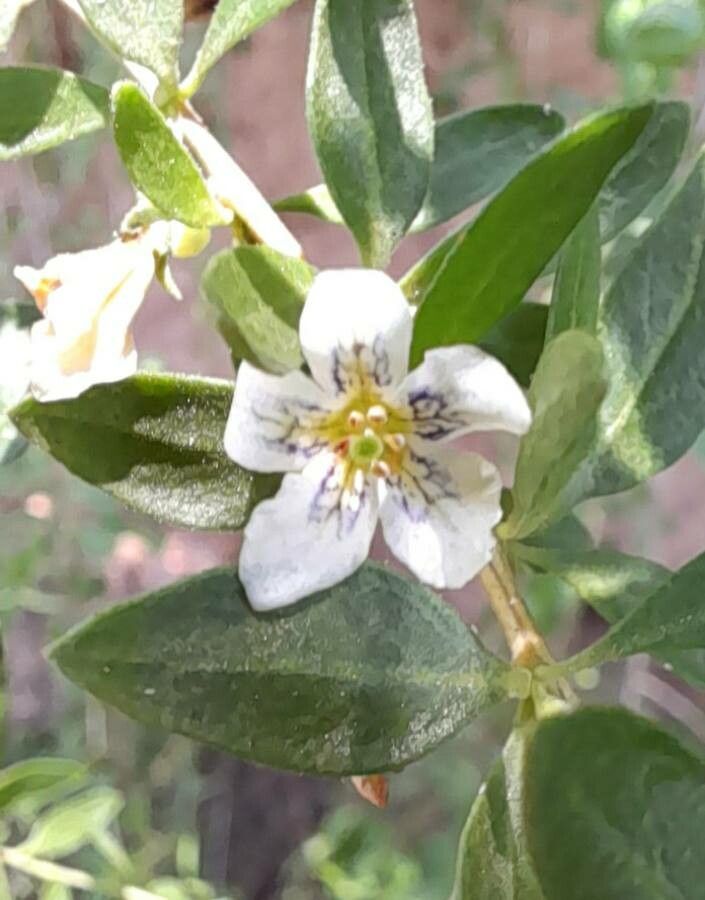
Hey there, fellow plant lovers! I’m so delighted you’re interested in propagating Lycium ciliatum, also known as the desert thornbush. If you’re looking for a plant that offers beautiful, delicate flowers followed by edible berries – and a hint of a wild, untamed spirit – then this is your plant! Plus, growing your own from cuttings or divisions is incredibly rewarding. Honestly, for those new to propagation, Lycium ciliatum is quite forgiving. You’ll likely find the process much easier than you think.
The Best Time to Start
My absolute favorite time to get started with Lycium ciliatum is late spring to early summer, right after it has finished its initial flush of flowering. The plant is actively growing, and the stems are usually semi-hardwood – not too soft and floppy, and not too old and woody. This stage gives us the best chance for successful rooting.
Supplies You’ll Need
Gathering your supplies beforehand makes the whole process smooth sailing. Here’s what I always have on hand:
- Sharp pruning shears or a clean, sharp knife: For making those crucial cuts.
- Rooting hormone (optional, but helpful): A powder or liquid can give your cuttings a real boost.
- Well-draining potting mix: A 50/50 blend of perlite or coarse sand and peat moss or coco coir works beautifully.
- Small pots or seed trays: Clean ones are a must to prevent disease.
- Plastic bags or a propagator lid: To create a humid environment.
- Watering can with a fine rose: For gentle watering.
- Labels and a marker: To keep track of your new babies!
Propagation Methods
Lycium ciliatum readily propagates through a couple of methods. Here are my go-to approaches:
Stem Cuttings
This is usually my first choice because it’s so efficient.
- Take your cuttings: Select healthy, vigorous stems from your parent plant. Look for stems that have started to firm up but are still flexible – think pencil-thick. Cut pieces about 4-6 inches long, making your cut just below a leaf node (where a leaf attaches to the stem).
- Prepare the cuttings: Gently remove the lower leaves, leaving just a couple at the very top. This prevents them from rotting in the soil and reduces moisture loss. If your stems feel a bit soft, you can even take off half of the remaining leaves.
- Apply rooting hormone (optional): Dip the cut end into your rooting hormone, tapping off any excess.
- Plant the cuttings: Insert the cut end into your prepared potting mix, about 1-2 inches deep. Make sure the potting mix is moist but not soggy.
- Create humidity: Cover the pots with a plastic bag or propagator lid. You can prop the bag up with a small stick so it doesn’t touch the leaves. Place them in a bright spot, but out of direct sunlight.
Water Propagation
This is a fantastic visual method, perfect for observing root development!
- Select and cut your stem: Follow the same steps for selecting and cutting your stems as above. Again, remove lower leaves.
- Place in water: Put the cuttings in a clean jar or glass filled with fresh, room-temperature water.
- Avoid leaf submersion: This is key! Ensure no leaves are touching the water. They will rot very quickly and can take your cutting with them.
- Change the water regularly: Every few days, refresh the water to keep it clean and oxygenated.
- Watch for roots: Within a few weeks, you should start to see tiny white roots emerging from the nodes. Once the roots are about an inch long, it’s time to transplant them into soil.
The “Secret Sauce” (Pro Tips)
Here are a few little tricks I’ve picked up over the years that have made a big difference:
- Bottom Heat is Your Friend: If you can, placing your pots on a gentle heat mat can dramatically speed up root formation. It mimics the warmth of spring soil and really encourages those roots to get going. You can find inexpensive ones designed for propagation.
- Don’t Overwater! It sounds counterintuitive when you’re trying to encourage roots, but soggy soil is the fastest way to rot. The humid environment created by the plastic bag is more important than soaking the soil. I only water when the top inch of the mix feels dry to the touch.
- A “Wipe Down” for Your Pots: Before you start, give all your pots and trays a good scrub to remove any old soil or potential fungal spores. A dilute bleach solution works well, just make sure to rinse them thoroughly afterwards.
Aftercare & Troubleshooting
Once you see a good amount of roots (either peeking out of the bottom of the pot or a nice inch-long network in water), it’s time to nurture your new plant.
- Transplanting: Gently transplant your rooted cuttings into individual small pots filled with your well-draining mix. Keep them in a bright, protected spot and continue to maintain humidity by keeping the plastic tent on for another week or two, gradually airing them out.
- Watering: Water them in thoroughly after transplanting, then let the soil dry slightly between waterings.
- Signs of Trouble: The most common issue is rot, which often looks like a blackened, mushy stem base. This is usually a sign of too much moisture and not enough air circulation. If you spot it, sadly, that cutting is likely lost. Yellowing leaves can also be a sign of overwatering or not enough light.
A Humble Encouragement
Propagating plants is a journey, and it’s filled with learning. Don’t get discouraged if not every single cutting makes it. Patience is key, and each attempt teaches you something new. Enjoy the magic of watching a new plant come to life from just a tiny piece of stem. Happy propagating!
Resource:
https://identify.plantnet.org/k-world-flora/species/Lycium%20ciliatum%20Schltdl./data