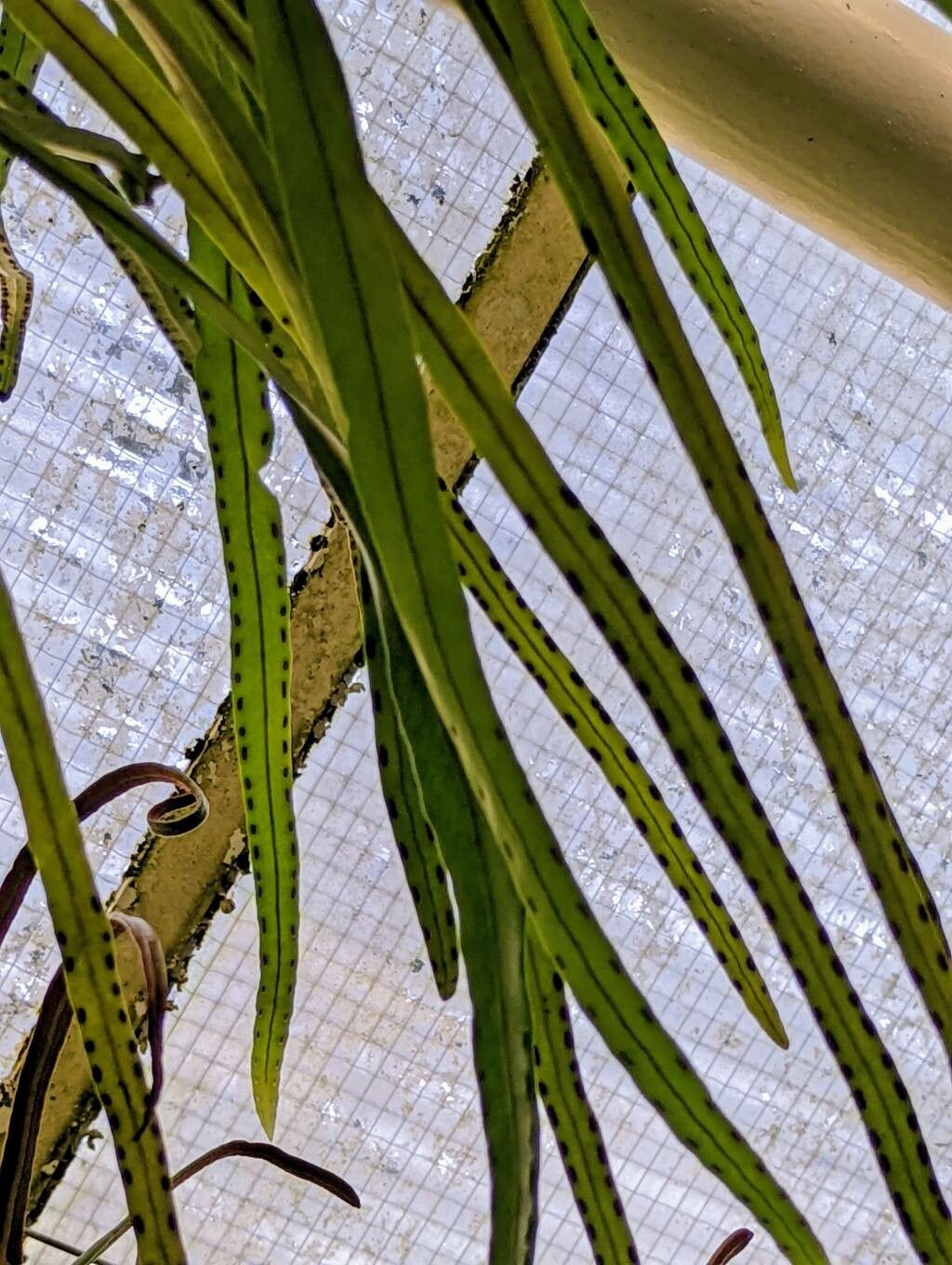
Hello plant lovers! It’s so wonderful to connect with you again. Today, we’re diving into the delightful world of Lepisorus longifolius, a fern that truly has captured my heart. Its long, elegant fronds bring a touch of the tropics to any space, and honestly, watching them unfurl is pure joy. If you’ve ever admired this beauty in my home or nursery, you’ll be thrilled to know you can easily create more of them for yourself.
Propagating Lepisorus longifolius is a really rewarding endeavor, and I’m happy to report that it’s quite accessible for beginners. You don’t need a specialized greenhouse or a botany degree to be successful. Just a little patience and a few simple steps, and you’ll be well on your way to a leafy jungle of your own!
The Best Time to Start
For the highest success rate with your Lepisorus longifolius, I find that late spring or early summer is absolutely ideal. This is when the plant is in its most vigorous growth phase. The days are longer and warmer, providing that perfect energy boost for young propagations to establish quickly. You can try other times, of course, but you might find your new babies take a little longer to get going.
Supplies You’ll Need
Gathering your supplies beforehand makes the whole process smoother. Here’s what I always have on hand:
- Sharp, clean pruning shears or a sharp knife: For making clean cuts.
- Sterilized pots or propagation trays: To prevent disease.
- A well-draining potting mix: I like a blend of coco coir, perlite, and a touch of good quality potting soil. This helps prevent waterlogged roots.
- Rooting hormone (optional, but helpful): Especially for cuttings, it can speed up the process.
- Spray bottle: For maintaining humidity.
- Plastic bag or propagator lid: To create a mini greenhouse effect.
- Water: For cleaning tools and misting.
Propagation Methods
There are a couple of tried-and-true ways to grow more Lepisorus longifolius. My favorite, and the one that usually yields the best results, is division.
Method 1: Division (My Top Pick!)
This is the most straightforward method and works beautifully when your fern is getting a bit crowded in its pot.
- Gently remove the fern from its pot. You might need to tease the soil away from the edges with your fingers or a trowel.
- Inspect the root ball. Look for natural breaks in the rhizomes (the thick, creeping stems that grow along the surface or just below the soil). You should see distinct clumps of leaves with their own root systems.
- Carefully separate the clumps. Use your hands to gently pull the sections apart. If it’s a bit stubborn, a clean, sharp knife or trowel can help ease the separation. The goal is to ensure each division has a healthy cluster of roots and at least a couple of fronds.
- Pot up each division. Plant them in their own pots using your well-draining mix. Make sure the rhizome is just at or slightly below the soil surface.
- Water thoroughly. Give them a good soak to settle the soil.
- Place in a bright spot with indirect light. Keep the soil consistently moist but not soggy. The humidity is key here! Covering the pots with a plastic bag or propagator lid will do wonders.
Method 2: Stem Cuttings (A Bit More Patience Required)
While Lepisorus longifolius isn’t typically grown from leaf cuttings like some other ferns, you can get new plants from the creeping rhizomes.
- Locate a healthy, mature rhizome on your parent plant. You’re looking for a section that’s a good few inches long.
- Using your clean, sharp knife or shears, carefully cut away a section of the rhizome. Aim for a piece that has at least one or two developing buds or tiny fronds.
- Dip the cut end in rooting hormone (if you’re using it). This can encourage faster root development.
- Prepare your pot. Fill a small pot with your well-draining mix.
- Plant the rhizome cutting. Lay the rhizome section on top of the soil, or bury it just slightly so the buds are visible.
- Gently water to settle the soil.
- Create a humid environment. Cover the pot with a plastic bag or propagator lid, ensuring it doesn’t touch the cutting too much.
- Place in bright, indirect light. Keep the soil consistently moist. This method can take longer, so be patient! Roots and new fronds will eventually emerge.
The “Secret Sauce” (Pro Tips)
Here are a couple of things I’ve learned over the years that have really made a difference for me:
- Don’t over-pot! When you divide or pot up cuttings, use containers that are just large enough for the root ball. Overly large pots can hold too much moisture, leading to root rot, which is every gardener’s nightmare.
- Bottom heat is your friend (for cuttings). If you’re trying the rhizome cutting method, placing the pot on a seedling heat mat set to a low temperature can significantly speed up the root development. It mimics the warmth of spring soil and really encourages those roots to form.
Aftercare & Troubleshooting
Once your new Lepisorus longifolius has roots, it’s time to nurture it into a mature plant.
- Gradually reduce humidity. As your plant establishes and you see new fronds unfurling, slowly start to acclimate it to lower humidity levels by gradually opening the propagator lid or bag over a week or two.
- Maintain consistent moisture. Keep the soil lightly moist. Water when the top inch of soil feels dry to the touch.
- Bright, indirect light is crucial. Avoid direct sunlight, as it can scorch the delicate young fronds.
- Troubleshooting: The most common issue you’ll face is rot, often due to overwatering. Yellowing leaves or a mushy stem are tell-tale signs. If you see this, trim away the affected parts with clean shears and allow the soil to dry out a bit more. Another sign of trouble is lack of growth. This could mean it needs more light, warmth, or simply more time to establish its root system.
A Final Thought
Remember, gardening is a journey, and propagation is like unlocking a little bit of nature’s magic. Be patient with your new plants, observe them closely, and celebrate every little new frond. The joy of creating life from a single piece of a plant is truly unparalleled. Happy propagating!
Resource:
https://identify.plantnet.org/k-world-flora/species/Lepisorus%20longifolius%20(Blume)%20Holttum/data