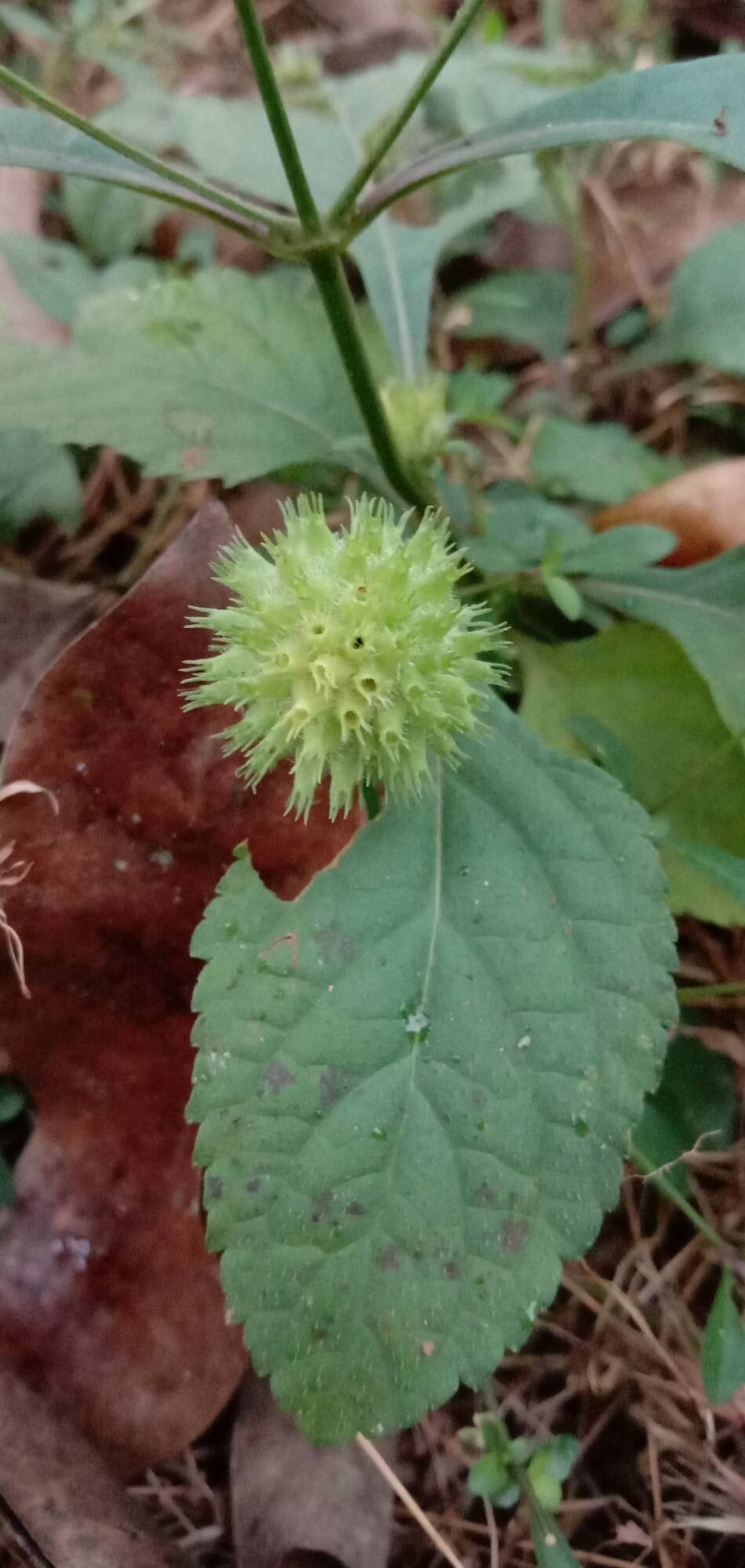
Hello there, fellow plant enthusiasts! If you’ve ever admired the cheerful abundance of Hyptis capitata, with its delightful clusters of tiny, often white or purple flowers and its lovely, fragrant foliage, you’re not alone. I’ve been growing and playing with this plant for years, and let me tell you, propagating it is one of those truly satisfying gardening joys. It’s a plant that’s generally quite forgiving, making it a wonderful candidate for those just dipping their toes into the world of plant propagation. You’ll be rewarded with more of this beauty to share or to fill out your own garden spaces.
The Best Time to Start
For the highest success rates with Hyptis capitata, aim for spring or early summer. This is when the plant is actively growing and has plenty of energy reserves. Softwood or semi-hardwood cuttings taken during this period tend to root most readily.
Supplies You’ll Need
- Sharp pruning shears or a clean craft knife: For making precise cuts.
- A well-draining potting mix: I like a blend of equal parts peat moss, perlite, and a bit of coarse sand.
- Small pots or propagation trays: Clean and with drainage holes, of course.
- Rooting hormone (optional but recommended): A powdered or liquid rooting hormone can give your cuttings a helpful boost.
- A clear plastic bag or propagation dome: To create a humid environment.
- Watering can or mister: For gentle watering.
- A bright, indirect light location: Avoid harsh, direct sun.
Propagation Methods
Hyptis capitata is quite obliging when it comes to making new plants. Here are the methods I find work best:
Stem Cuttings: My Go-To Method
This is usually the quickest and most reliable way to get a good number of new plants.
- Take your cuttings: Select healthy, non-flowering stems from a mature plant. Look for stems that are firm but still flexible – neither brand new and floppy nor woody and hard. Aim for cuttings that are about 4-6 inches long.
- Make the cut: Using your sharp shears or knife, make a clean cut just below a leaf node. This is where roots are most likely to form.
- Prepare the cutting: Gently remove the lower leaves from the bottom half of the cutting, leaving just a couple of leaves at the top. This prevents the leaves from rotting in the soil or water.
- Apply rooting hormone (if using): Dip the cut end of the stem into your rooting hormone, tapping off any excess.
- Plant your cuttings: Fill your pots or trays with your prepared potting mix. Make a small hole in the center with your finger or a pencil. Insert the cut end of the stem into the hole, and gently firm the soil around it.
- Water gently: Water the soil thoroughly but gently, ensuring it’s moist but not waterlogged.
- Create humidity: Cover the pots or trays with a clear plastic bag or a propagation dome. This traps moisture and keeps your cuttings from drying out. You can use stakes to keep the bag from touching the leaves.
- Find a good spot: Place the covered pots in a bright location that receives indirect sunlight.
Water Propagation: A Simple Start
If you’re feeling a bit hesitant about soil, trying water propagation is a lovely alternative.
- Prepare the cuttings: Follow steps 1-3 from the stem cutting method.
- Place in water: Place the prepared cuttings in a clean jar or glass filled with fresh water. Make sure none of the leaves are submerged.
- Change the water: Change the water every few days to keep it fresh and prevent rot.
- Find a good spot: Place the container in a bright location with indirect light.
- Wait for roots: You’ll start to see small white roots emerging from the nodes. Once the roots are about an inch long, you can transplant them into pots with soil (follow step 5 in the stem cutting method).
The “Secret Sauce” (Pro Tips)
After years of coaxing new life from my plants, I’ve learned a few little tricks.
- Bottom Heat is Your Friend: If you can, place your pots on a heat mat designed for seedlings. This gentle warmth from below encourages roots to form much faster, especially if the weather is still a bit cool.
- Don’t Over-Water the Soil: While humidity is key, soggy soil is a fast track to rot. It’s better to err on the side of slightly too dry than too wet. I often feel the soil moisture by gently poking my finger in. If it feels dry to about an inch down, it’s time to water.
- A Little Air Circulation Helps: If you’re using a plastic bag, open it up for a few minutes each day to let in fresh air and prevent fungal issues. It’s a balance between maintaining humidity and allowing for air exchange.
Aftercare & Troubleshooting
Once you see roots emerging, congratulations! That’s a huge milestone.
- Gradual Acclimation: When the roots are well-established (you can gently tug on a cutting and feel resistance, or see roots coming out of the drainage holes), gradually remove the plastic bag or dome over a few days. This allows the new plant to acclimate to normal humidity levels.
- First Watering: Water your new plant gently after removing the covering.
- Move to a Bigger Pot: Once the plant has several sets of leaves and is thriving, you can transplant it into a slightly larger pot with fresh potting mix.
- Signs of Trouble: The most common issues are rot (wilting, blackening stem base) from overwatering, or drying out (drooping, browning tips) if the humidity isn’t maintained. If you see rot, sadly, that cutting might be lost, but don’t be discouraged from trying again.
A Encouraging Closing
Propagating Hyptis capitata is such a rewarding experience. It’s a testament to the incredible power of nature to reproduce and thrive. Be patient with your little cuttings, offer them a supportive environment, and enjoy the process of watching them grow. Before you know it, you’ll have a whole patch of these lovely plants to brighten your garden and your home! Happy propagating!
Resource:
https://identify.plantnet.org/k-world-flora/species/Hyptis%20capitata%20Jacq./data