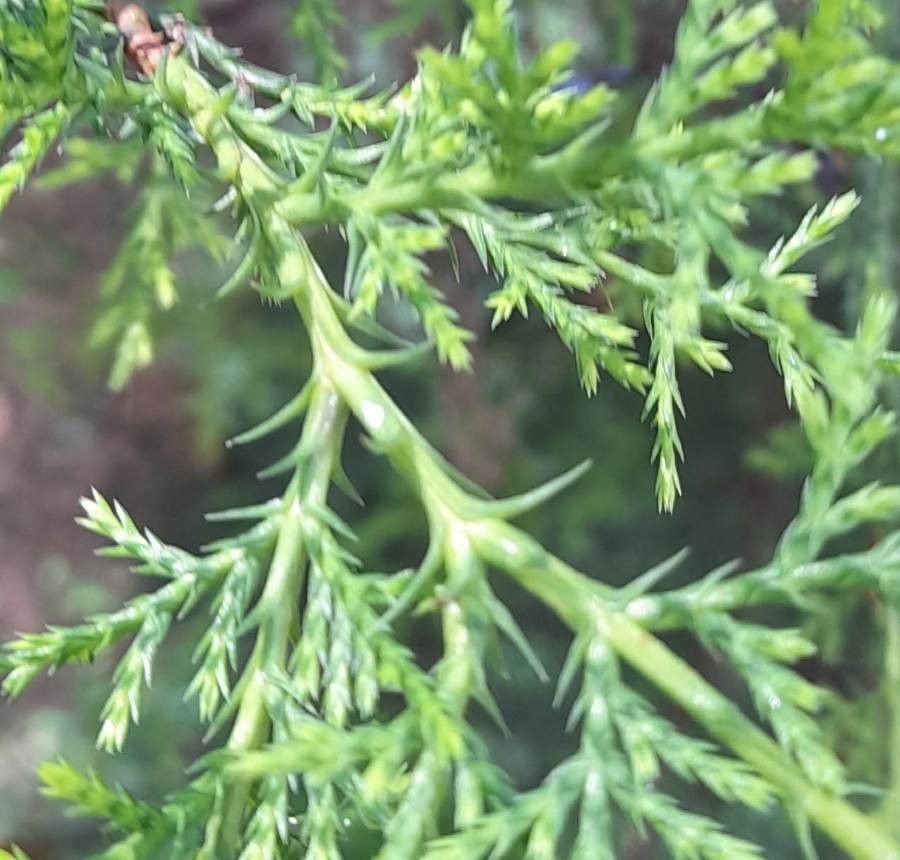
Hey there, fellow garden lovers! Today, we’re diving into the wonderful world of propagating Hesperocyparis goveniana, also known as Gowen Cypress. This beautiful conifer, with its graceful form and lovely evergreen foliage, brings a touch of California charm to any landscape. If you’ve ever admired its subtle beauty and wished you could have more of it, then you’re in luck! Propagating your own Gowen Cypress is a deeply satisfying endeavor. Think of it as nurturing tiny hopes, watching them take root and grow into vibrant new plants. Now, for the good news: while some conifers can be a bit finicky, propagating this particular cypress is fairly straightforward, even for those of you just starting to dip your toes into the propagation pool.
The Best Time to Start
When it comes to getting the best results, timing is key. For Hesperocyparis goveniana, I’ve found that late spring to early summer is your sweet spot. This is when the plant is in a strong growth phase, meaning those cuttings are brimming with energy and ready to put down roots. Look for wood that is semi-hardwood – not the brand new, super-soft tips, but also not the old, hard woody stems. It should be flexible but have a bit of substance to it, almost like a firm pencil.
Supplies You’ll Need
Before we get our hands dirty, let’s gather our essential toolkit. Having everything ready before you start makes the whole process so much smoother:
- Sharp Pruning Shears or a Sharp Knife: Clean cuts are crucial for preventing disease and encouraging root formation.
- Rooting Hormone: This is a powdery or liquid substance that significantly boosts your chances of success by stimulating root development.
- Propagation Medium: A well-draining mix is a must. I like a blend of 50% perlite and 50% peat moss or coco coir. This provides aeration and moisture retention without becoming waterlogged.
- Small Pots or Trays: Clean pots or trays with drainage holes are essential.
- Plastic Bags or a Propagator: To create a humid environment around your cuttings.
- Labels and a Marker: To keep track of what you’ve planted and when!
Propagation Methods
While you might find other methods out there, for Gowen Cypress, stem cuttings are my go-to. It’s reliable and yields fantastic results.
- Take Your Cuttings: Head out during that ideal late spring/early summer window. Select healthy, vigorous stems. Using those sharp shears or knife, cut sections that are about 4-6 inches long. Make your cut just below a leaf node (where leaves attach to the stem).
- Prepare the Cuttings: Gently remove the lower foliage from your cuttings. You want a clean stem area for rooting. If you’re having trouble, you can carefully scrape a thin layer of bark from one side of the bottom inch of the stem, this exposes the cambium layer which can sometimes aid in rooting.
- Apply Rooting Hormone: Dip the bottom inch of each cutting into your chosen rooting hormone. Tap off any excess.
- Plant Your Cuttings: Fill your small pots or trays with your prepared propagation medium. Make a pilot hole with your finger or a pencil in the center of each pot. Insert the cut end of your cutting into the hole, ensuring the part with the rooting hormone is buried. Firm the medium gently around the stem.
- Create a Humid Environment: Water the potting mix thoroughly but gently. Then, cover the pots or tray with a clear plastic bag or place them in a propagator. This traps moisture and mimics the humid conditions cuttings need to thrive. Prop a few small sticks inside the bag to keep it from touching the foliage.
The “Secret Sauce” (Pro Tips)
Here are a few little tricks I’ve picked up over the years that can really make a difference:
- Bottom Heat is Your Friend: If you have a gentle heat mat, placing your pots on it can significantly speed up root development. Think of it as giving your cuttings a cozy, encouraging start.
- Don’t Let Foliage Sit in Any Standing Water: This is crucial. While cuttings need humidity, stagnant water around the leaves can quickly lead to fungal diseases. Ensure your trays are draining well and that the plastic bag isn’t drowning your plant material.
- Cleanliness is Next to Godliness (in the Garden): Always use sterilized tools and clean pots. This dramatically reduces the risk of any nasty pathogens getting a foothold on your precious new plants.
Aftercare & Troubleshooting
Patience is a virtue when it comes to propagation, and this is especially true for getting those roots to form. Keep your cuttings in a bright spot, but out of direct, scorching sun. Check the moisture of the medium regularly – it should feel damp like a wrung-out sponge, not soggy or bone-dry.
You’ll know your cuttings are rooting when you can give them a gentle tug and feel a slight resistance. You might also see tiny new growth appearing at the tips. This usually takes anywhere from 4 to 8 weeks, maybe a bit longer.
Now, what if things aren’t going as planned? The most common culprit is rot. If your cuttings turn mushy and dark at the base, or the leaves wilt and yellow prematurely despite consistent moisture, this is often a sign of overwatering or poor drainage. You might need to pull them out, check the stem for rot, and if they’re beyond saving, discard them and start fresh, paying extra attention to your watering and drainage next time.
A Little Encouragement to Finish Off
Propagating Hesperocyparis goveniana is a wonderful way to connect with nature and expand your garden without spending a fortune. It’s a process that teaches you about patience and the resilience of plants. Don’t be discouraged if your first attempt isn’t perfect. Every gardener, no matter how experienced, has had their share of successes and failures. Embrace the journey, celebrate every little sign of progress, and enjoy the immense satisfaction of growing your own beautiful Gowen Cypress. Happy propagating!
Resource: