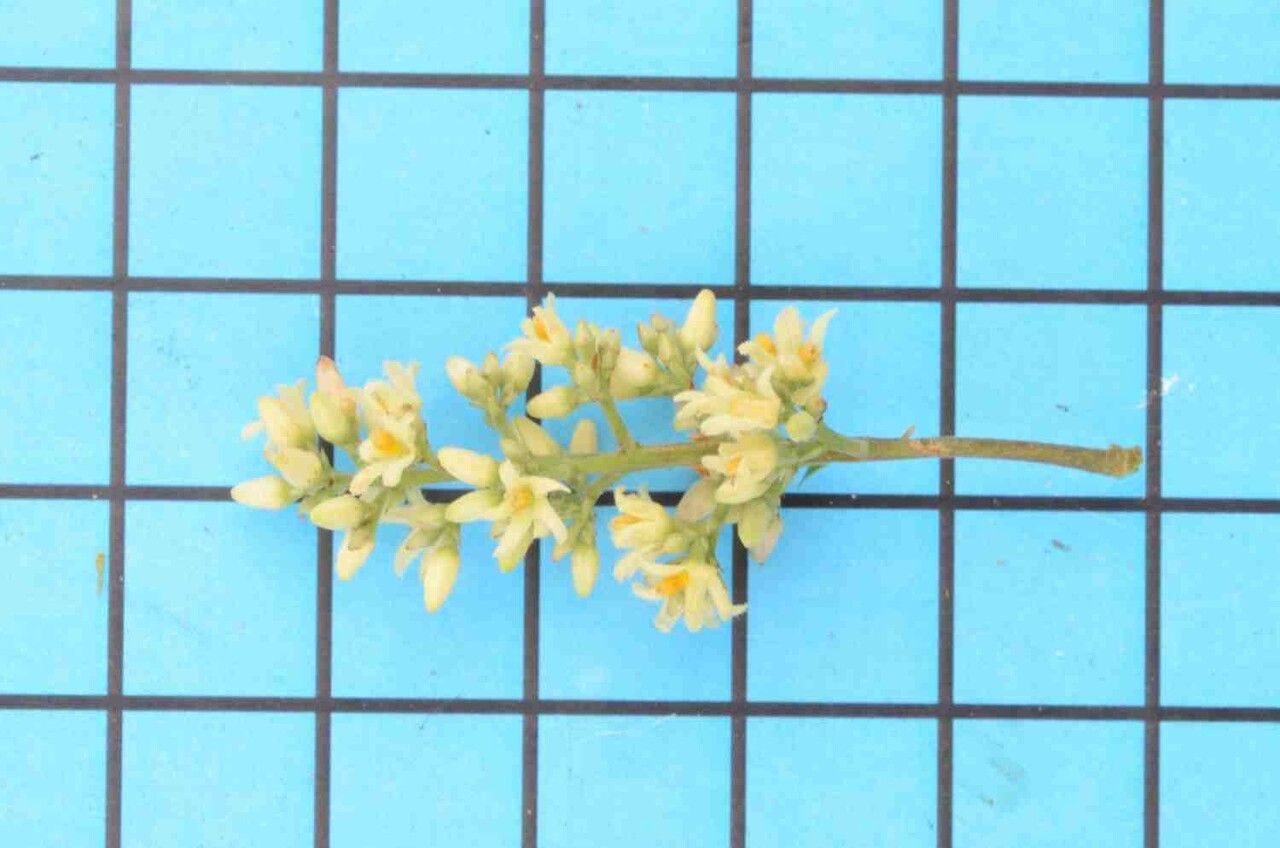
Oh, hello there! Pull up a chair and let’s chat about a plant that’s captured my heart over the years: Forsteronia glabrescens. You know, that lovely vine with its glossy, deep green leaves and sometimes, if you’re lucky, delicate little flowers? It’s just so rewarding to see it clambering and twining, adding such a lush feel to any space. And the best part? Propagating it is a wonderful way to multiply that joy.
I’d say Forsteronia glabrescens is moderately easy to propagate, especially if you’re comfortable with basic plant care. It’s not quite a “set it and forget it” situation for beginners, but with a little attention, you’ll be celebrating new life in no time.
The Best Time to Start
For Forsteronia glabrescens, late spring to mid-summer is your golden window. This is when the plant is actively growing, usually after its main flush of growth. You’ll want to take cuttings from healthy, actively growing stems, not the woody, older bits or brand new, super-soft shoots. Think of it as harvesting from a vigorous, happy teenager – full of life and ready to branch out!
Supplies You’ll Need
Here’s a little starter kit that will make your propagation journey smooth sailing:
- Sharp Pruning Shears or a Clean Knife: For making clean cuts.
- Rooting Hormone (Optional but Recommended): A powder or gel that encourages root development.
- Small Pots or Seedling Trays: With drainage holes, of course!
- Well-Draining Potting Mix: I like a blend of peat moss or coco coir, perlite, and a little bit of compost. You want it to hold moisture but not get waterlogged.
- Clear Plastic Bags or a Mini Greenhouse: To create a humid environment.
- Spray Bottle with Water: For misting.
Propagation Methods
Let’s get our hands dirty! The stem cutting method is my go-to for Forsteronia glabrescens, and it’s typically the most successful.
Stem Cuttings:
- Select Your Cuttings: Look for healthy, non-flowering stems that are about 4-6 inches long.
- Make the Cut: Using your clean shears or knife, make a clean cut just below a leaf node (that’s the little bump where a leaf grows from the stem).
- Prepare the Cutting: Gently remove the lower leaves, leaving only the top 2-3 leaves. This prevents them from rotting in the soil or water. If the remaining leaves are very large, you can even cut them in half horizontally to reduce moisture loss.
- Apply Rooting Hormone (Optional): Dip the cut end of the stem into your rooting hormone. Tap off any excess.
- Plant Your Cuttings: Moisten your potting mix lightly. Then, gently insert the cut end of the stem into the soil, ensuring at least one leaf node is buried. You can fit quite a few cuttings in a small pot, but give them a little space.
- Create Humidity: Water the soil lightly and then cover the pot with a clear plastic bag or place it in a mini greenhouse. Make sure the bag isn’t touching the leaves too much. Pop it in a spot with bright, indirect light – no harsh sun!
The “Secret Sauce” (Pro Tips)
Here are a few tricks I’ve picked up along the way:
- Bottom Heat is Your Friend: If you can, place your pots on a gentle heating mat. This little bit of warmth from below really encourages root development, especially if your room temperature isn’t consistently warm.
- Don’t Drown Your Dreams: When watering, aim for moist, but not soggy. Overwatering is the quickest way to introduce rot. I often find a light misting from the spray bottle every couple of days is enough once the humidity dome is in place.
- Patience, Young Grasshopper: Forsteronia glabrescens can be a bit of a slow starter when it comes to rooting. Don’t get discouraged if you don’t see progress for a few weeks. Keep them in that humid, bright spot and trust the process.
Aftercare & Troubleshooting
Once you start to see new leaf growth or feel a gentle resistance when you tug ever so slightly on a cutting, you’ve got roots! This is cause for celebration!
- Acclimatize Gradually: Slowly remove the humidity cover over a week or two. Start by taking it off for a few hours a day, then longer periods. This helps the new plant adjust to lower humidity.
- Gentle Watering: Continue to keep the soil consistently moist. As the plant grows larger, you can increase pot size.
- Signs of Trouble: The most common issue is rot, which usually shows up as mushy, discolored stems. This is almost always due to overwatering. If you see this, unfortunately, that cutting is likely a goner. You can try to take another cutting and be more mindful of watering. Yellowing leaves on an otherwise healthy-looking cutting can sometimes indicate it’s not getting enough light, or it’s simply not rooting yet and using up its stored energy.
A Little Encouragement to Finish
Propagating plants is a beautiful dance with nature. There will be successes, and there might be a few little setbacks, but each attempt teaches you something new. Be patient with your Forsteronia glabrescens cuttings, give them the right conditions, and have fun watching them grow. Happy propagating, and may your plant collection flourish!
Resource:
https://identify.plantnet.org/k-world-flora/species/Forsteronia%20glabrescens%20Müll.Arg./data