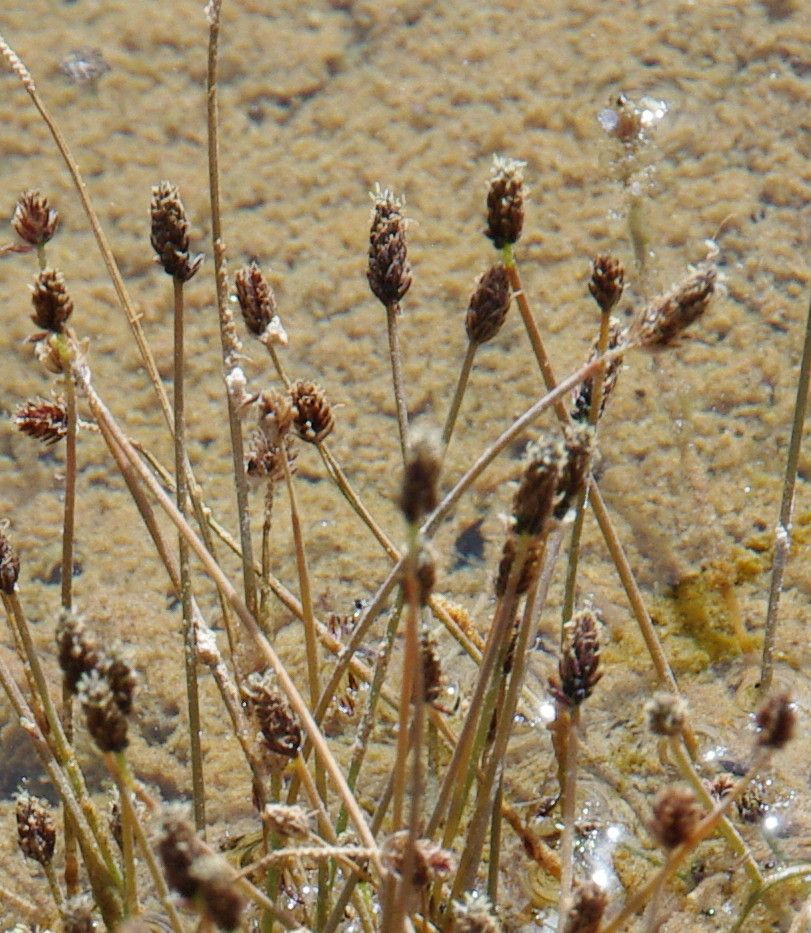
Hello, fellow plant enthusiasts! Today, I want to chat about a little gem that adds a unique touch to any collection: Eleocharis atropurpurea. This beauty, often called the Purple Spikerush, brings a lovely architectural element with its dark, slender stalks. It’s not the usual leafy houseplant, which is part of its charm. And the best part? It’s incredibly rewarding to multiply! If you’re new to the propagation game, don’t worry. I’d say Eleocharis atropurpurea is moderately easy to propagate. A little patience goes a long way, and once you nail it, you’ll have more of these elegant plants to share or use in different spots.
The Best Time to Start
The sweet spot for propagating Eleocharis atropurpurea is during its active growing season. Think spring and early summer. This is when the plant is full of vigor, and the young shoots and roots are most robust. Trying to propagate during its dormancy or when it’s stressed is just asking for disappointment.
Supplies You’ll Need
Gathering your tools beforehand makes the whole process smoother. Here’s what I usually have on hand:
- Sharp pruning shears or scissors: Clean cuts are essential.
- A well-draining potting mix: I often use a blend of peat moss, perlite, and a touch of sand, or a good quality general-purpose potting mix with extra perlite added.
- Clean pots or trays: Small ones are perfect for baby plants.
- Water: Tap water is usually fine, but if yours is very hard, consider letting it sit out overnight.
- Optional: A rooting hormone powder or gel (this can give an extra boost, but isn’t always necessary for this plant).
Propagation Methods
For Eleocharis atropurpurea, division is hands-down the easiest and most successful method. It’s like giving your plant a little haircut and ending up with two or more!
Here’s how I do it:
- Gently remove the plant from its pot. If it’s a bit stuck, a little squeeze around the sides can help.
- Inspect the root ball. You’re looking for natural divisions. You should be able to see where new growth is emerging from established sections.
- Using your clean pruning shears or scissors, carefully cut through the root ball. Aim to separate the plant into smaller sections, each with a healthy clump of roots and some visible shoots. Don’t be afraid to be a bit firm but gentle. You’re not trying to hack at it, but rather tease apart sections.
- Plant each division into its own pot. Use your prepared potting mix. Make sure the base of the plant is nestled into the soil, with the shoots pointing upwards.
- Water thoroughly. This helps settle the soil around the new roots and removes air pockets.
The “Secret Sauce” (Pro Tips)
Over the years, I’ve picked up a few tricks that have made a world of difference:
- Don’t overcrowd your divisions. It’s tempting to try and get as many plants as possible, but giving each division enough space promotes stronger growth and reduces competition for resources when they’re young and vulnerable.
- Consider a humidity dome or plastic bag. This is especially helpful if you’re propagating in a warmer, drier environment. Covering the newly planted divisions loosely creates a humid microclimate, which helps the roots establish without drying out too quickly. Just make sure to “air it out” for a few minutes each day to prevent fungal issues.
- Bottom heat is your friend. While not strictly necessary, placing your newly divided plants on a seedling heat mat can significantly speed up root development. It mimics the warm soil temperatures of springtime and gives those new roots a cozy environment to grow in.
Aftercare & Troubleshooting
Once your divisions are potted up, keep them in a bright, indirect light spot. Avoid direct, scorching sun, as this can stress young plants. Keep the soil consistently moist but not waterlogged. Think of it like giving a new baby plant a gentle drink, not drowning it!
New growth is your sign of success. You’ll start to see those slender stalks reaching upwards. It usually takes a few weeks to see significant signs of rooting and active growth.
The main thing to watch out for is rot. If you see the stalks turning mushy or yellowing and dying off rapidly, it’s usually a sign of too much moisture and poor drainage. Make sure your potting mix is free-draining, and don’t let pots sit in standing water. If you notice a bit of rot, try pruning away the affected parts and letting the remaining section dry out slightly. It’s a learning process, and we’ve all had a few “oops” moments!
So there you have it! Propagating Eleocharis atropurpurea is a wonderful way to expand your green family. Be patient, observe your plants, and don’t be afraid to experiment a little. The joy of watching a new life sprout from a division is truly special. Happy propagating!
Resource: