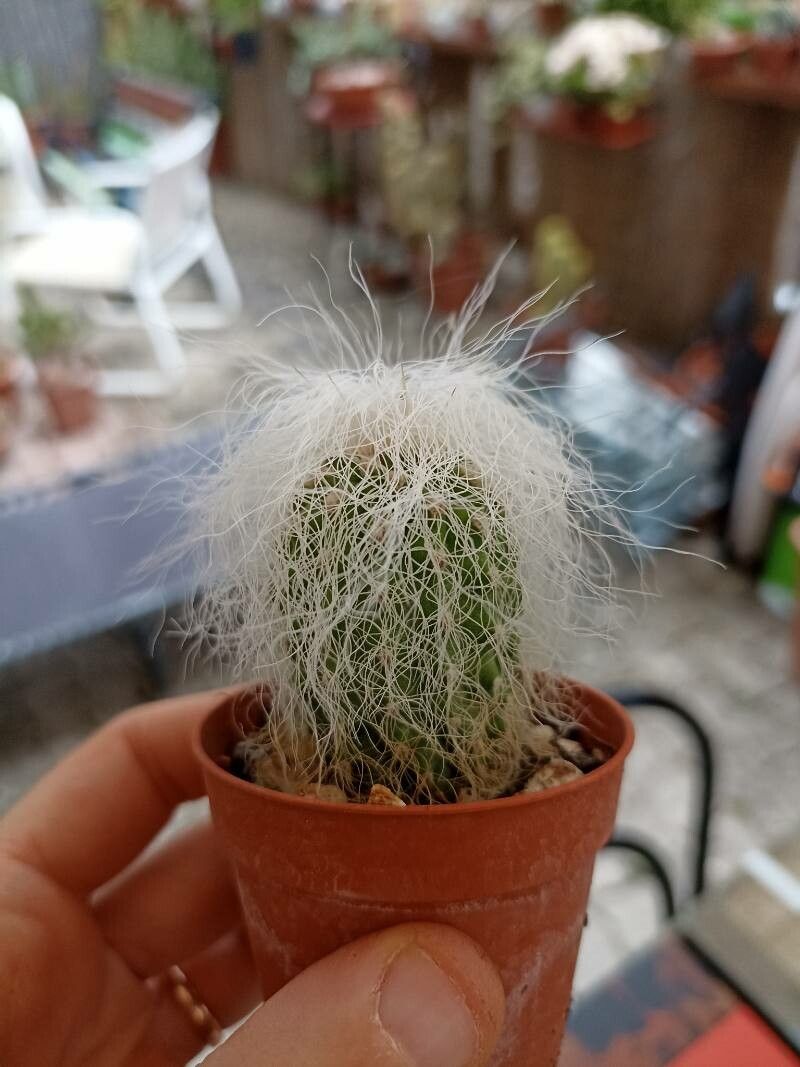
Oh, the Old Man Cactus! What a wonderfully quirky and character-filled plant. Cephalocereus senilis, with its fuzzy white hairs that truly give it an aged appearance, is a showstopper in any collection. I’ve spent years marveling at their slow, stately growth, and there’s something incredibly satisfying about bringing new life into the world from an existing treasure.
Now, I’ll be honest, compared to, say, a ZZ plant or a pothos, propagating C. senilis can be a bit more of a deliberate process. It’s not the “stick it in water and forget it” kind of deal. But with a little patience and the right approach, it’s absolutely achievable and oh-so-rewarding. Think of it as learning a new gardening dance – it might take a few steps to get the rhythm, but the music is beautiful.
The Best Time to Start
The golden rule for propagating most succulents and cacti is to work when they’re actively growing. For Cephalocereus senilis, this means the late spring or during the summer months. You want your plant to have plenty of energy to heal over those cuts and push out new roots. Trying to do this when it’s dormant in the cooler parts of the year is like asking someone to run a marathon without any breakfast – they just won’t have the fuel!
Supplies You’ll Need
Gathering your tools beforehand makes the whole process smoother. Here’s what I usually have on hand:
- Well-draining potting mix: A cactus-specific blend or a DIY mix of potting soil, perlite, and coarse sand (roughly 1:1:1 ratio) works wonders. You want water to drain away fast.
- Sharp, clean knife or pruning shears: Sterilize them with rubbing alcohol before and after use to prevent spreading any nasty bugs or diseases.
- Gloves: Those spines can be surprisingly pokey, even on younger bits.
- Rooting hormone (optional but recommended): This can give your cuttings a helpful boost. Look for one formulated for succulents or cacti.
- Small pots or trays: Clean and with drainage holes, of course!
- Watering can or spray bottle: For gentle watering.
- A sunny, warm location: Your propagation station needs light and a bit of warmth, but avoid scorching direct midday sun initially.
Propagation Methods
The most reliable way to propagate Cephalocereus senilis is through stem cuttings. This is where you’ll get the most bang for your buck.
-
Take the Cutting: Look for a healthy side shoot or a mature stem that you can carefully detach. Using your sterilized knife or shears, make a clean cut. Try to get a piece that has at least a few inches of stem.
-
Let it Callus: This is CRUCIAL. Cacti are essentially storing water, and a fresh cut is an open invitation for rot. Place your cutting in a safe, dry location out of direct sunlight for several days to a week (or even longer). You’ll know it’s ready when the cut end looks dry and has formed a protective callus. It’ll feel firm to the touch.
-
Planting the Cutting: Once callused, you have two main options:
-
Direct Potting: Fill your small pot with your well-draining mix. Make a small hole in the center with your finger or a pencil. If you’re using rooting hormone, dip the callused end of the cutting into it. Then, gently insert the cutting into the soil, making sure it’s stable. You might want to stake it if it’s wobbly. Water very sparingly, if at all, at this stage. The goal is for the cutting to root from the existing moisture in its stem.
-
Water Propagation (with caution): While I generally prefer direct potting for cacti to avoid overwatering issues, some folks have success with water. If you go this route, it’s imperative that NO part of the stem touches the water. Suspend the callused cutting over a jar or glass of water so only the very bottom (where the roots will emerge) is near the water’s surface. Place it in bright, indirect light. Change the water every few days to keep it fresh and prevent bacterial growth. Once you see tiny roots forming, you’ll need to carefully transition it to soil. This is often the trickiest part.
-
The “Secret Sauce” (Pro Tips)
Here are a couple of things I’ve learned over the years that make a big difference:
- Think “Dry Heat” for Rooting: This is the magic ingredient! While the cutting needs bright, indirect light, the base of the cutting benefits from a little warmth. I often place my potted cuttings on a gentle seedling heat mat. This encourages root development from below, without cooking the plant from above. It really speeds things up and improves success rates.
- Don’t Rush the Roots: It’s tempting to poke around and see if there are roots, but resist the urge! When you think it might have rooted, give it a very GENTLE tug. If there’s resistance, you’ve got roots! If it pulls out easily, it hasn’t settled in yet, and that’s perfectly okay. Patience is truly your best tool here.
Aftercare & Troubleshooting
Once your cutting has visibly started to grow or shows good resistance when gently tugged, you’ve got yourself a new little Old Man Cactus!
Continue to water sparingly but regularly, allowing the soil to dry out completely between waterings. The focus is still on well-draining conditions. Gradually introduce it to brighter light, eventually mimicking the conditions of your mature plant.
The most common problem you’ll encounter is rot. If you see the stem becoming mushy, discolored (often brown or black), or smelling unpleasant, it’s a sign of too much moisture and usually means the cutting is lost. This is why the callusing step and using a gritty soil mix are so, so important. If you catch it very early, you might be able to remove the rotted section and let the remaining healthy part callus over again, but it’s often a losing battle.
A Little Encouragement to Close
Propagating Cephalocereus senilis is a journey, not a race. There might be moments of doubt, but seeing those first tiny roots or new growth emerge is an absolute thrill. Celebrate the successes, learn from any setbacks, and most importantly, enjoy the process of nurturing these unique little fuzzy friends. Happy propagating!
Resource:
https://identify.plantnet.org/k-world-flora/species/Cephalocereus%20senilis%20(Haw.)%20K.Schum./data