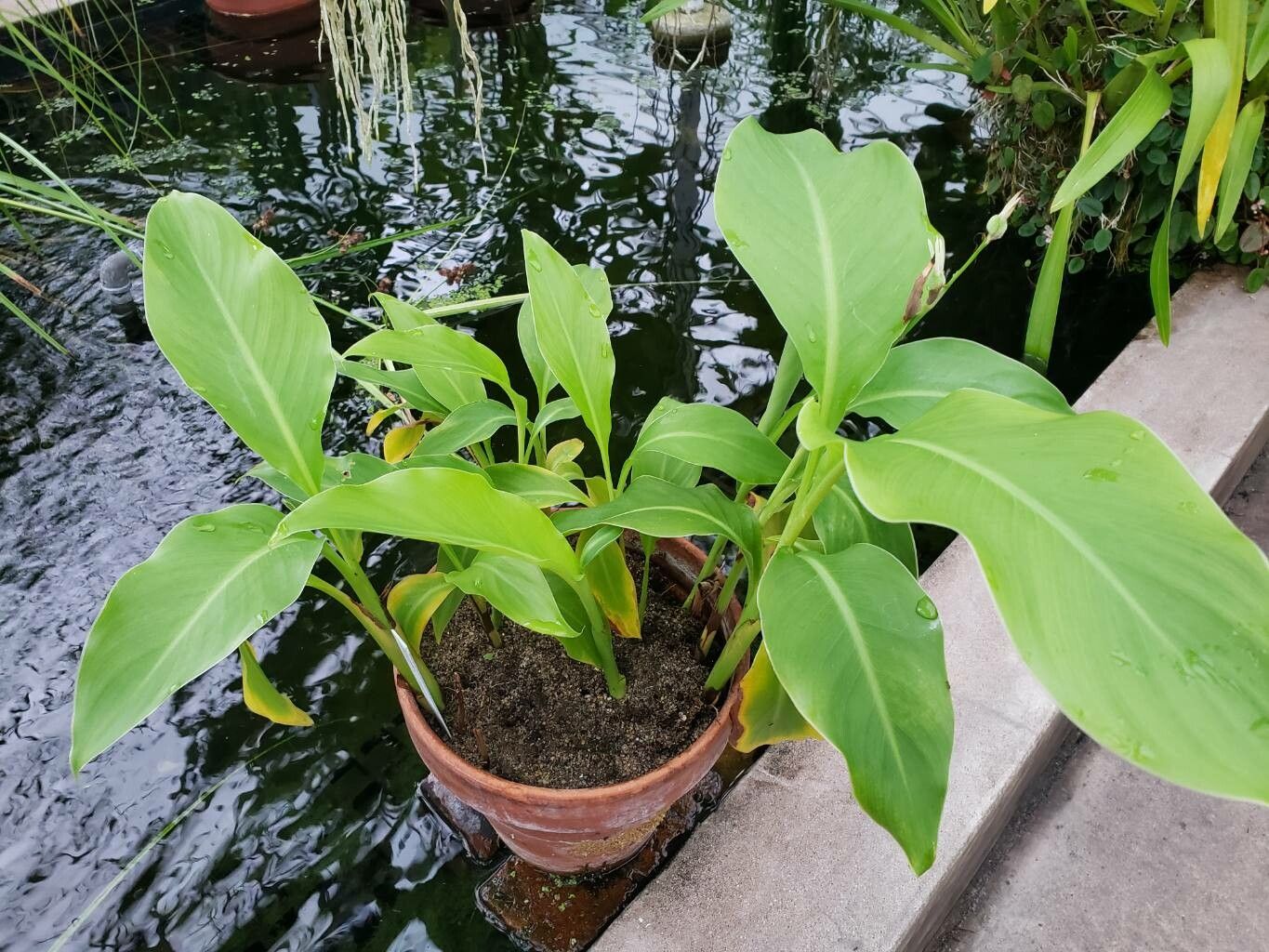
Hello, fellow garden lovers! Today, I want to talk about a plant that brings such vibrant color and tropical flair to our landscapes – the Canna Lily, and specifically, the gorgeous Canna iridiflora. Its elegant, nodding flowers and lush foliage are a real showstopper, aren’t they? I’ve spent years admiring them, and let me tell you, propagating these beauties is one of the most rewarding gardening experiences. If you’re new to the game, don’t shy away! While it has a few quirks, I’m confident you’ll find success with these tips.
The Best Time to Start
For Canna Lilies, the absolute sweet spot for propagation is early spring. Think around March or April, after the last frost has passed but before things get scorching hot. This timing gives your new plants the best chance to establish themselves before the intense summer heat arrives. You’ll typically be working with the rhizomes, which are the fleshy underground stems, and they need that gentle warmth to wake up and start growing.
Supplies You’ll Need
Gathering your tools beforehand makes the whole process so much smoother. Here’s what I always have on hand:
- Clean pruning shears or a sharp knife
- A good quality potting mix. I like a blend that’s rich but drains well. A mix of compost, perlite, and peat moss works wonders.
- A pot or container with drainage holes.
- Watering can or spray bottle
- Rooting hormone (optional, but can give a nice boost!)
- A marker and label to keep track of your new babies.
- Gloves (Cannas can sometimes irritate my skin, so I always wear them).
- A warm location or heat mat (this is a game-changer!).
Propagation Methods: Division is Key!
Canna iridiflora is best propagated through division of its rhizomes. These underground stems are where the magic happens.
- Digging Up the Rhizomes: In early spring, gently dig up your established Canna Lily. You want to carefully loosen the soil around it until you can lift the entire clump. Brush off as much excess soil as you can.
- Inspecting and Cleaning: Take a look at the rhizomes. You’ll see thick, fleshy sections with little finger-like growths or “eyes.” These eyes are where new shoots will emerge. If there’s any damaged or rotten-looking parts, carefully trim them away with your clean shears or knife.
- Dividing the Rhizomes: Here’s the fun part! Using your sharp knife or pruning shears, carefully cut the rhizome into sections. The key is that each section must have at least one “eye.” Don’t be afraid to cut through them, but make sure each piece you plant has that little bud.
- Optional: Rooting Hormone: If you have it, lightly dip the cut ends of each rhizome section into rooting hormone. This isn’t strictly necessary, but I find it helps speed things up a bit.
- Planting Your New Cannas: Fill your pots with your prepared potting mix. Plant each rhizome section about 2-3 inches deep, with the eyes facing upwards. Water them gently.
The “Secret Sauce” (Pro Tips)
You know, it’s the little things that make all the difference. What I’ve learned over the years with Cannas is:
- Don’t Drown Them: After planting, water thoroughly but then let the soil almost dry out between waterings. Overwatering is the quickest way to rot those precious rhizomes. They like it moist, not soggy!
- The Power of Warmth: Cannas are tropical plants, and they LOVE warmth. Placing your potted rhizomes on a heat mat underneath the pots will significantly speed up germination and root development. It truly makes a world of difference!
- Patience with the Eyes: Sometimes, those eyes look tiny and insignificant. Resist the urge to poke and prod! They need warmth and time to get going. You’ll start to see a small shoot emerge, and that’s your signal that all is well.
Aftercare & Troubleshooting
Once you start seeing those lovely green shoots pushing through the soil, your new Canna iridiflora is on its way! Keep them in a bright, warm location. Continue to water when the top inch of soil feels dry. As they grow larger, you might want to transplant them into bigger pots or into their garden beds.
Now, what if things go wrong? The most common culprit is rot. If your rhizome turns mushy and black, it’s likely been too wet. If you see this, unfortunately, that piece is a goner. You can try to salvage any healthy-looking parts if it’s not completely gone. Another sign of trouble is if nothing happens after a few weeks. This might mean the rhizome was old, lacked an eye, or simply didn’t have enough warmth. Don’t despair; just try again next year!
Enjoy the process of nurturing these tropical beauties. It’s wonderfully satisfying to watch them grow from a small piece of rhizome into those spectacular plants we all love. Happy gardening!
Resource:
https://identify.plantnet.org/k-world-flora/species/Canna%20iridiflora%20Ruiz%20&%20Pav./data