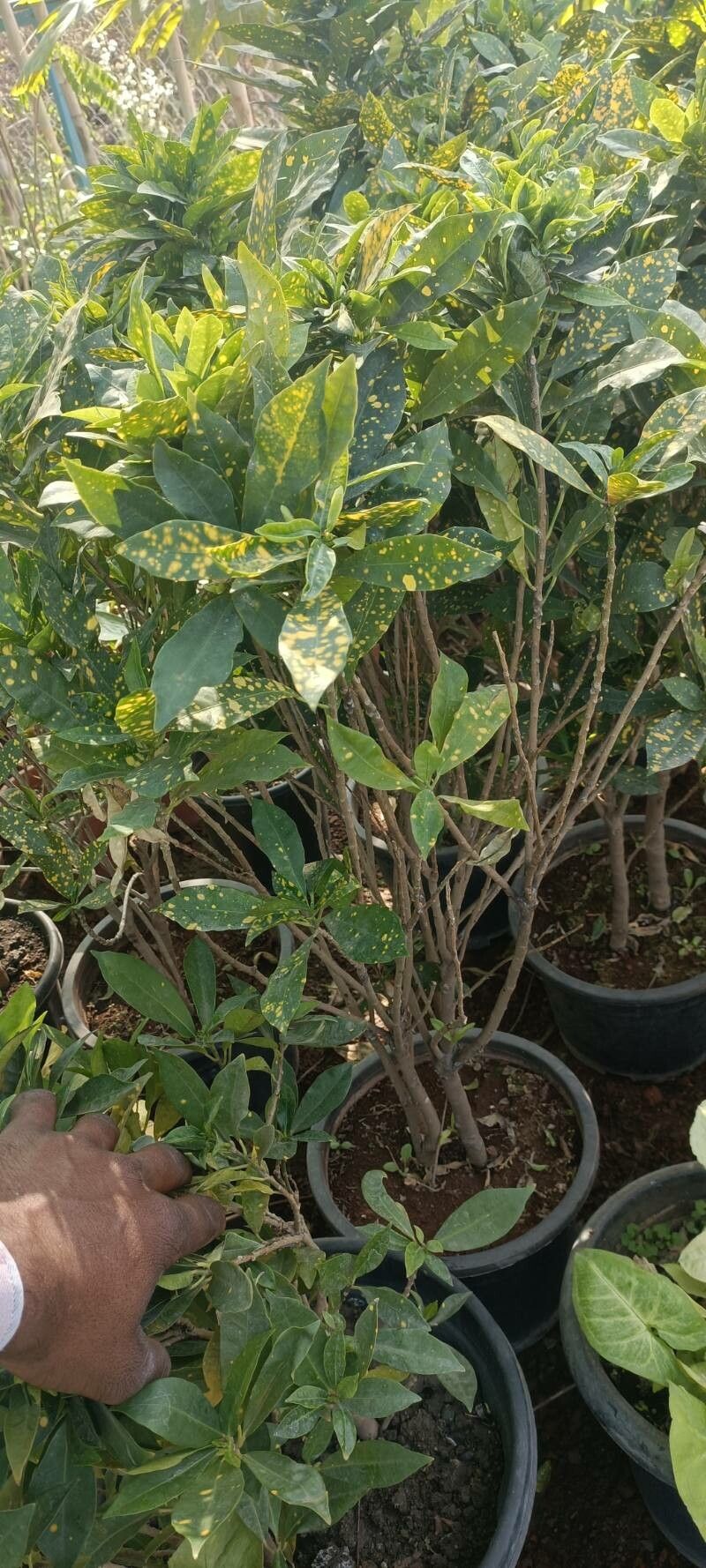
Oh, hello there! Come on in, grab a mug. I’ve been so excited to chat with you about Aucuba, or as I affectionately call her, the “Spotted Laurel.” If you’ve ever seen a mature Aucuba robusta with its glossy, leathery leaves, often splashed with vibrant yellow or cream, you know the appeal. They bring such a splash of color and architectural interest, especially in shady spots where many other plants struggle. And the best part? You can easily bring more of that beauty into your garden by propagating your own! It’s a wonderfully rewarding feeling, watching a tiny cutting transform into a thriving new plant. For beginners? I’d say Aucuba are quite forgiving, making them a delightful plant to start your propagation journey with.
The Best Time to Start
When it comes to getting new Aucuba plants, late spring to early summer is usually your sweet spot. This is when the plant is actively growing, and those new shoots are just getting established. Cuttings taken from this vibrant, new growth tend to have the best chance of success. You can also try in late summer or early fall, but the active growth might be slowing down a bit then.
Supplies You’ll Need
Gathering your tools beforehand makes the process so much smoother. Here’s a little list of what I usually have on hand:
- Sharp pruning shears or a clean knife: For making clean cuts.
- Rooting hormone (optional but helpful): A powder or gel that encourages root development.
- Potting mix: A well-draining mix is key. I like to use a blend of peat-free compost and perlite or coarse sand.
- Small pots or trays: Clean, with drainage holes!
- Plastic bags or a clear plastic dome: To create a mini-greenhouse effect.
- Water spray bottle: For misting.
Propagation Methods: Stem Cuttings
This is my go-to method for Aucuba, and it’s incredibly effective.
- Take your cuttings: With your sharp shears, select healthy, non-flowering stems. Look for pieces that are about 4-6 inches long. You want to cut just below a leaf node – that’s the point where a leaf grows from the stem.
- Prepare the cuttings: Gently remove the lower leaves from the cutting, leaving just a few at the top. This prevents them from rotting when you plant them. If the leaves are very large, you can even cut them in half to reduce water loss.
- Apply rooting hormone (if using): Dip the cut end into the rooting hormone, tapping off any excess.
- Plant your cuttings: Fill your clean pots or trays with your prepared potting mix. Make a hole in the center with your finger or a pencil, and gently insert the cutting. Firm the soil around the stem.
- Water and cover: Water the soil gently but thoroughly. Then, cover the pots with a clear plastic bag or a propagation dome. This will help keep humidity high, which is crucial for cuttings that haven’t developed roots yet. Secure the bag with a rubber band.
The “Secret Sauce” (Pro Tips)
This is where those little tricks come in handy, the things you learn through trial and error!
- Don’t let the leaves touch the water (if water propagating): While stem cuttings are best in soil for Aucuba, if you ever try water propagation with other plants, remember that leaves submerged in water will rot and hinder root growth. For Aucuba, keep those leaves out of the soil!
- Bottom heat is your friend: If you have the space and inclination, placing your pots on a heat mat designed for propagation can significantly speed up the rooting process. It mimics the warmth of the soil in spring and gives those roots a real boost.
- Patience is paramount: Aucuba can be a bit slow to root, especially compared to some fast-growing annuals. Don’t be tempted to pull them out to check for roots too soon! Give them at least 4-6 weeks, sometimes longer.
Aftercare & Troubleshooting
Once you see signs of new growth or little nubs of roots poking out of the drainage holes, you’re well on your way!
- Gradual acclimatization: When you see those first signs of rooting, it’s time to gradually introduce your new plants to normal air. Start by opening the plastic bag for an hour or two each day, then gradually increase the time over a week.
- Keep them moist but not soggy: Continue to water them regularly, but avoid letting them sit in water. Think of it as keeping them consistently damp, like a wrung-out sponge.
- Light needs: Keep them in bright, indirect light. Direct sun can scorch those tender new leaves.
- Troubleshooting rot: The most common issue you’ll face is rot. If a cutting turns black and mushy, it’s usually a sign of too much moisture and not enough air circulation. If you see one cutting going bad, remove it immediately to prevent it from affecting the others. Clean your tools and pots if you have to start over.
See? It’s really quite straightforward. Don’t be discouraged if your first attempt isn’t a resounding success. Gardening is all about learning and experimenting. Just keep at it, and you’ll be surrounded by beautiful Aucuba babies in no time. Enjoy the process, and happy propagating!
Resource:
https://identify.plantnet.org/k-world-flora/species/Aucuba%20robusta%20W.P.Fang%20&%20Soong/data