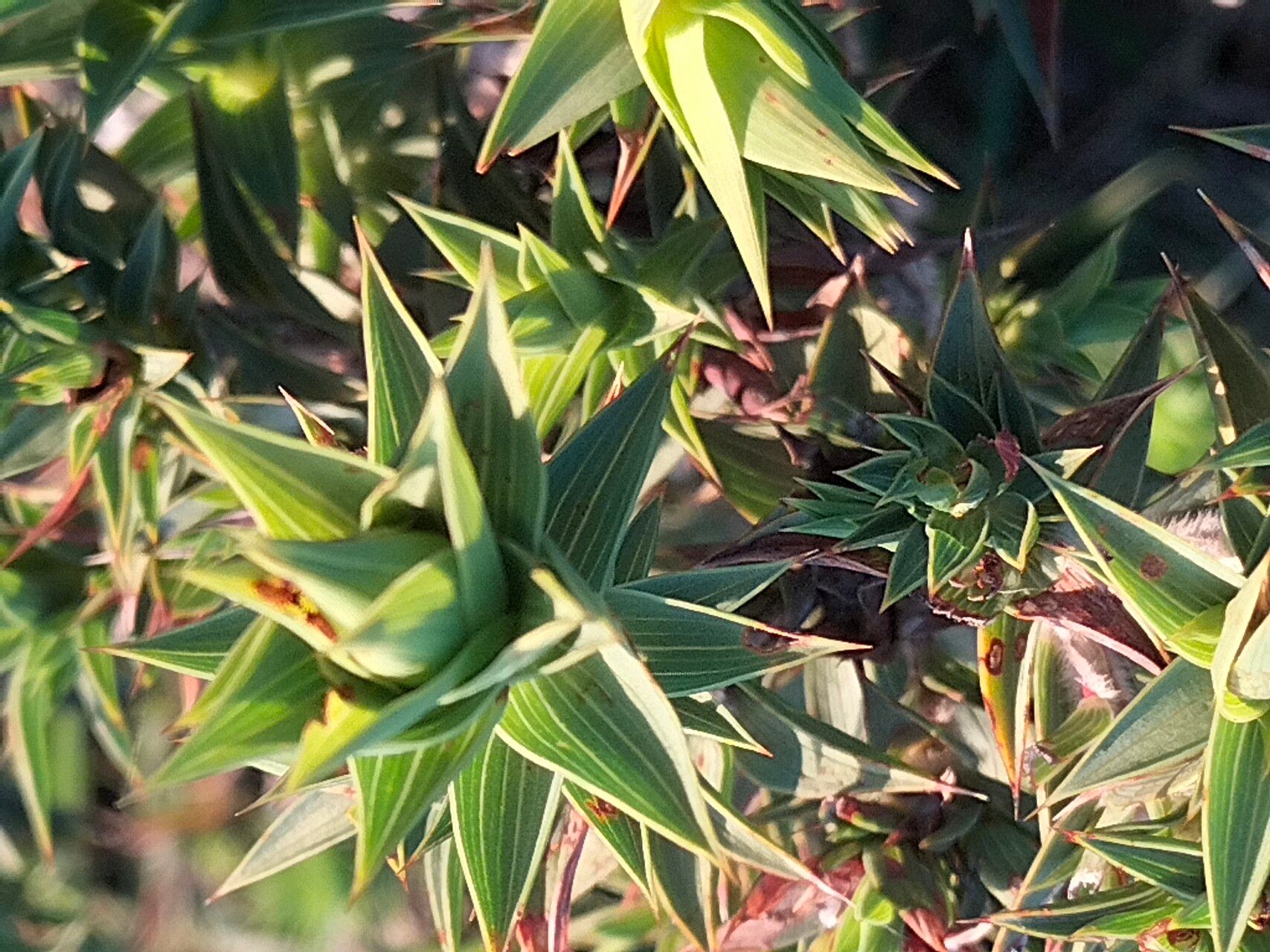
Hello, fellow plant enthusiasts! Today, I want to share my love for a truly special South African native: Aspalathus cordata, also known as Mountain Fynbos or simply Rooi-bos (though not the tea variety, mind you!). Its delicate, broom-like foliage and charming little pink or purple flowers create such a whimsical presence in the garden. And the best part? You can easily bring more of this beauty into your life through propagation. If you’re new to plant magic, don’t worry – Aspalathus cordata is a pretty forgiving subject, making it a delightful plant to learn with.
The Best Time to Start
For the highest success rate with Aspalathus cordata, I find the late spring or early summer is your sweet spot. This is when the plant is actively growing, and the new, semi-hardwood stems are perfectly ready to take root. You want to be looking for stems that are firm but still have a bit of flexibility. Avoid anything too soft and floppy, or old, woody growth.
Supplies You’ll Need
Here’s what you’ll want to have on hand before you dive in:
- Sharp, clean pruning shears or a craft knife: For making clean cuts.
- Rooting hormone powder (optional, but recommended): This really gives your cuttings a boost.
- Well-draining potting mix: A mix of roughly 50% perlite and 50% peat moss or coco coir is fantastic. You can also add a bit of coarse sand.
- Small pots or seed trays: Clean ones, of course!
- Plastic bags or a plastic dome: To create a humid environment.
- Watering can with a fine rose: For gentle watering.
- Labels: So you don’t forget what you’ve planted!
Propagation Methods
While you can certainly play around with division if you have a mature plant, I’ve had the most success with stem cuttings for Aspalathus cordata.
- Take Your Cuttings: On a pleasant morning, after the dew has dried, select a healthy stem. Make a clean cut just below a leaf node (where a leaf attaches to the stem). You’re aiming for cuttings that are about 4-6 inches long. Pinch off any flowers or developing buds.
- Prepare the Cuttings: Gently remove the leaves from the bottom half of the cutting. You want at least two leaf nodes to be bare. If the remaining leaves are large, you can snip them in half to reduce water loss.
- Apply Rooting Hormone: Dip the cut end of each cutting into your rooting hormone powder, tapping off any excess. This step is like giving your cutting a little encouragement to start its root-growing journey.
- Plant Your Cuttings: Fill your pots with your prepared, moistened potting mix. Make a small hole with your finger or a pencil and gently insert the cutting, ensuring the bare nodes are buried. Firm the soil gently around the base.
- Create Humidity: Water the soil gently until it’s evenly moist. Then, cover the pot with a plastic bag (supported with stakes so it doesn’t touch the leaves) or place it under a clear plastic dome. This creates a mini-greenhouse effect, which is crucial for cuttings.
The “Secret Sauce” (Pro Tips)
Here are a couple of things I’ve learned over the years that really make a difference:
First, never let the leaves of your cuttings touch the soil surface if you’re doing water propagation (though I stick to soil for Aspalathus cordata). Any organic matter in contact with the leaves can encourage rot, and we want happy roots, not mushy leaves! Second, if you have the setup, using bottom heat can really speed things up. A propagation mat that provides gentle warmth (around 70-75°F) signals to the cutting that it’s time to get growing and start forming roots.
Aftercare & Troubleshooting
Once your cuttings are potted, place them in a bright spot but out of direct, harsh sunlight. Keep the soil consistently moist, but not waterlogged – think of it like a wrung-out sponge. You’ll know your cuttings are rooting when you see new growth appearing or feel a slight resistance when you gently tug on them. This usually takes anywhere from 4-8 weeks, sometimes longer.
The most common issue you might encounter is rot. If you see your cuttings turning black and mushy, it’s a sign of too much moisture and not enough airflow. In this case, you might need to discard the affected cutting and ensure your soil is draining well and that you’re not overwatering.
A Encouraging Closing
Propagating plants is a magical journey. It’s about patience, observation, and a little bit of faith in nature’s ability to create life. Don’t be discouraged if not every cutting takes. Each attempt is a learning experience. Embrace the process, enjoy the delicate unfolding of new life, and soon you’ll have more Aspalathus cordata to share with friends – or to fill your own garden with its enchanting charm! Happy propagating!
Resource:
https://identify.plantnet.org/k-world-flora/species/Aspalathus%20cordata%20(L.)%20R.Dahlgren/data