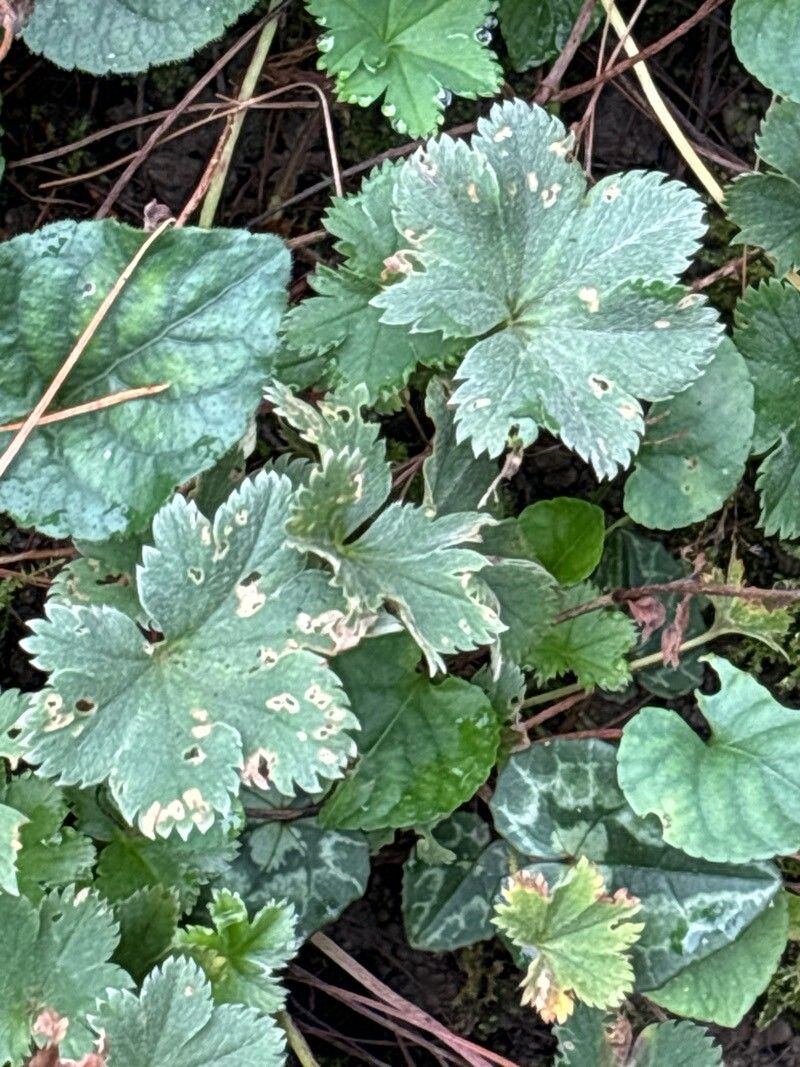
Well hello there, fellow garden enthusiasts! I’m so glad you’ve stopped by for a chat about one of my absolute favorite plants: Alchemilla fissa, or as many of us affectionately call it, Lady’s Mantle.
There’s something truly magical about this plant. Its charming, deeply lobed leaves, often with a lovely silvery sheen, are like nature’s little cups, collecting dew drops in the most delightful way. And don’t even get me started on those frothy, lime-green flower clusters that appear in late spring and early summer – they’re just the bee’s knees! Propagating Alchemilla fissa is such a rewarding experience. You get to watch tiny beginnings blossom into robust plants, and honestly, it’s an incredibly generous plant to work with. Best of all, for those of you just dipping your toes into the world of propagation, you’ll find this one to be quite forgiving. A true beginner’s delight!
The Best Time to Start
For Alchemilla fissa, the sweet spot for propagation is definitely early spring, as soon as new growth begins to emerge after the last frost. You’re looking for soft, young stems that are pliable and full of life. Another excellent window is late summer to early autumn, when the plant has finished its main blooming period and is ready to put its energy into establishment. I find spring gives me a slight edge for quicker rooting, but either time will generally yield good results.
Supplies You’ll Need
Here’s what I always have on hand when I’m getting ready to propagate:
- Clean, sharp pruning shears or a sharp knife: Essential for making clean cuts.
- Small pots or trays: Biodegradable pots are lovely if you plan to plant them directly out later.
- A good quality potting mix: I like a gritty, well-draining mix. A blend of peat moss or coco coir, perlite, and a bit of compost works wonders.
- Rooting hormone (optional but recommended): This can give your cuttings an extra boost.
- A spray bottle: For misting.
- Clear plastic bags or small greenhouse: To create a humid environment.
- Labels: So you don’t forget what you planted where!
Propagation Methods
Alchemilla fissa is wonderfully versatile. Here are a couple of my go-to methods:
1. Stem Cuttings: My Personal Favorite
This is how I usually multiply my Lady’s Mantle patches.
- Select your stems: Look for healthy, current-year shoots that are about 3-4 inches long. They should be soft and bendy, not woody.
- Make the cut: Using your clean shears, cut just below a leaf node (the little bump where a leaf emerges from the stem).
- Prepare the cutting: Gently remove the lower leaves, leaving only the top two or three leaves. If the leaves are quite large, I’ll often cut them in half to reduce water loss.
- Dip in rooting hormone (optional): If you’re using it, dip the cut end of the stem into the rooting hormone powder, tapping off any excess.
- Pot them up: Fill your small pots or trays with your potting mix. Make a small hole with your finger or a pencil.
- Insert the cuttings: Gently place the prepared cuttings into the holes, ensuring the node where you removed the leaves is buried in the soil. Firm the soil gently around the base of each cutting.
- Water and cover: Water the soil thoroughly until it drains from the bottom. Then, cover the pots loosely with a plastic bag or place them in a small greenhouse to create a humid environment. You can use skewers or sticks to keep the plastic from touching the leaves directly.
2. Division: The Simplest Approach
If you have a mature Alchemilla fissa plant, division is incredibly easy and gives you a larger plant right away.
- Dig up the plant: In spring or autumn, carefully dig around the base of the clump using a spade or garden fork, and gently lift the entire plant from the soil.
- Separate the clumps: You’ll see that a mature plant will naturally have several sections or crowns. You can either gently pull these apart with your hands or use a clean trowel or spade to cut through them. Aim for divisions that have several healthy shoots and a good portion of roots.
- Replant immediately: Find new spots in your garden or pot up the divisions. Plant them at the same depth they were previously growing, and water them in well.
The “Secret Sauce” (Pro Tips)
Over the years, I’ve picked up a few tricks that seem to make all the difference:
- Don’t let the leaves touch the water: Whether you’re doing stem cuttings or misting, try to keep water off the foliage more than absolutely necessary. This really helps to prevent fungal issues and rot. If you’re water propagating (though I find soil is better for Alchemilla fissa), ensure the cut end is submerged but the leaves are well above the water line.
- Bottom heat is your friend: If you can provide gentle bottom heat for your stem cuttings, say by placing the tray on a heat mat designed for seedlings, you’ll often see rooting happen much faster. It mimics the warmth of spring soil perfectly.
- Patience with the press: When you’re misting, a gentle, fine mist is key. If you use too much force, you can dislodge your cuttings or damage those delicate new leaves. Think of it as a gentle dew, not a sprinkler system!
Aftercare & Troubleshooting
Once your cuttings have roots (you can gently tug on them to feel for resistance, or look for new leaf growth), it’s time to nurture them!
- Gradually introduce to the open air: Once roots have formed, slowly remove the plastic cover over a week or so. This acclimatizes them to lower humidity.
- Water consistently: Keep the soil evenly moist but not waterlogged. Overwatering is the quickest way to invite trouble.
- Transplant when ready: When the new plants have developed a good root system and look strong, you can transplant them into larger pots or directly into their final garden location.
The most common issue you’ll face is rot. If you see stems turning black and mushy at the soil line, it’s usually a sign of overwatering or poor drainage. Unfortunately, if rot sets in, it’s very difficult to save those affected cuttings. Don’t despair, though! The beauty of propagation is that you can try again. Did you notice wilting but no new growth? That might mean they haven’t rooted yet and are just struggling to survive. Keep them in that humid environment and be patient.
A Encouraging Closing
So there you have it – a little guide to bringing more of that lovely Lady’s Mantle into your life. Remember, gardening is a journey, and propagation is a fantastic skill to develop. Be patient with yourself, celebrate every little success, and most importantly, enjoy the process of growing and nurturing these beautiful plants. Happy propagating, everyone!
Resource:
https://identify.plantnet.org/k-world-flora/species/Alchemilla%20fissa%20Günther%20&%20Schummel/data