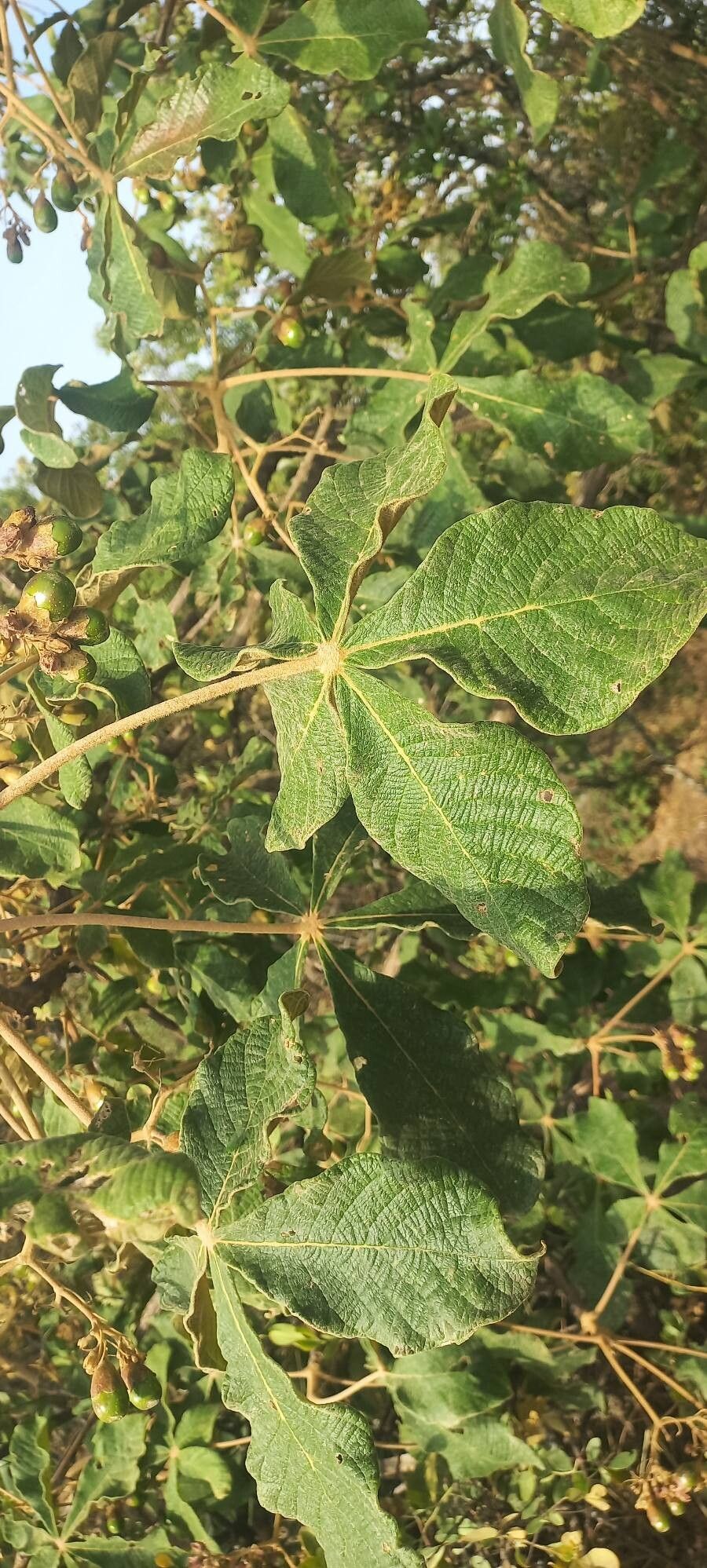
Hello, fellow plant lovers! If you’ve ever been captivated by the graceful, spiky blooms of Vitex payos, or the humble Chaste Tree as it’s often called, you’re in for a treat. I’ve spent many years admiring its resilience and its lovely fragrance. And the best part? You can easily bring more of this beauty into your own garden. Propagating Vitex payos is a wonderfully rewarding process, and believe me, even if you’re just starting out, you can absolutely do this! It’s not a fussy plant at all.
The Best Time to Start
For the most success, I always reach for my pruning shears in the late spring or early summer. This is when the plant is in its active growth phase, and those young, vibrant shoots are full of life and ready to take root. You want to look for stems that are slightly firm but not yet woody – often called semi-hardwood cuttings. Think of it as coaxing a lively teenager to move out of the nest!
Supplies You’ll Need
Gathering your tools beforehand makes the whole process so much smoother. Here’s what I keep on hand:
- Sharp Pruning Shears or a Craft Knife: Cleanliness is key to preventing disease.
- Rooting Hormone: A gentle powder or gel that encourages root development.
- Potting Mix: A light, well-draining blend is essential. I often use a mix of perlite, peat moss, and a bit of sand.
- Small Pots or Seed Trays with Drainage Holes: Nothing too big to start; we want to give those developing roots cozy conditions.
- A Spray Bottle: For keeping things nicely humid.
- Plastic Bags or a Clear Dome: To create a mini-greenhouse effect.
- Labels: Trust me, you’ll thank yourself later!
Propagation Methods
My go-to for Vitex payos is stem cuttings. It’s reliable and yields great results.
- Take the Cuttings: On that perfect late spring/early summer day, select healthy, current-year stems. Snip off sections about 4-6 inches long, making a clean cut just below a leaf node (where a leaf attaches to the stem). Remove the lower leaves, leaving just a couple at the very top.
- Apply Rooting Hormone: Dip the cut end of each cutting into your rooting hormone, tapping off any excess.
- Plant the Cuttings: Fill your small pots or trays with the prepared potting mix. Make a little hole with your finger or a pencil and gently insert the cutting, ensuring the node where you removed the leaves is buried. Lightly firm the soil around the base.
- Create a Humid Environment: Water the soil gently. Then, cover the pots with clear plastic bags or a propagator lid to maintain high humidity. Pop them somewhere bright but out of direct, scorching sun.
The “Secret Sauce”
Here are a couple of tips I’ve learned over the years that often make all the difference:
- Bottom Heat is Your Friend: If you can, place your pots on a heated seed mat. This gentle warmth from below is like a cozy blanket for those cuttings, encouraging root formation much faster and more reliably. It’s a game-changer!
- Don’t Drench, Mist! While you want humidity, soggy soil is the enemy of new cuttings. Mist the leaves and soil surface regularly with your spray bottle, rather than watering heavily. This keeps things moist without waterlogging, preventing rot.
Aftercare & Troubleshooting
Once your cuttings are happily ensconced, give them a little space. Keep them consistently moist but not waterlogged, and maintain that humidity. You’ll know they’re starting to root when you see new leaf growth emerging from the top! This usually takes anywhere from 4-8 weeks. When they’ve got a decent root system – you can gently tug on a leaf and feel some resistance – it’s time to transplant them into slightly larger pots.
The most common sign of trouble is rot. If your cuttings turn mushy, black, or fall over limply, they’ve likely succumbed to too much moisture. Don’t be too disheartened; just discard them and start again with fresh cuttings and a lighter touch on watering.
A Encouraging Closing
Watching those tiny stirrings of life in your new Vitex payos cuttings is incredibly satisfying. Be patient with them, give them the gentle care they need, and enjoy the process. Soon, you’ll have a whole new generation of these beautiful plants to share, or simply to expand your own garden haven. Happy propagating!
Resource:
https://identify.plantnet.org/k-world-flora/species/Vitex%20payos%20(Lour.)%20Merr./data