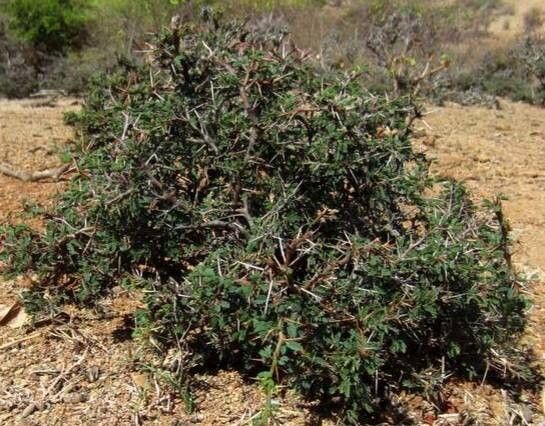
Oh, hello there! Come on in, grab a mug. Let’s chat about Vachellia seyal. You know, that gorgeous acacia with the fiery orange-red bark and delicate, feathery leaves? It’s truly a showstopper in any garden. And bringing a new one to life from a cutting or seed? That’s one of the most rewarding feelings a gardener can have, like sharing a secret with nature herself.
Now, I won’t lie to you – propogating Vachellia seyal can be a little fiddly, especially if you’re just starting out. It’s not quite as straightforward as, say, a spider plant. But with a bit of patience and these tips, I’m confident you’ll have success. Think of me as your gardening pal walking you through it, step by step.
The Best Time to Start
For the highest success rate with Vachellia seyal, you want to work with actively growing material. This usually means late spring or early summer, after the worst of the frost has passed and the plant is putting on new growth. You’re essentially trying to capture that vibrant energy.
Supplies You’ll Need
Here’s what I always keep on hand when I’m propagating:
- Sharp, sterile pruning shears or a clean knife: Crucial for making clean cuts and preventing disease.
- Rooting hormone (powder or gel): Especially helpful for more challenging cuttings. Look for one formulated for woody cuttings.
- Well-draining potting mix: I like a blend of perlite, coco coir, and a bit of coarse sand. You don’t want anything that holds too much moisture.
- Small pots or seedling trays: With drainage holes, of course!
- Plastic bags or a propagator lid: To maintain high humidity around your cuttings.
- Watering can with a fine rose or a spray bottle: For gentle watering.
- Optional: A heat mat: This can significantly speed up root development.
Propagation Methods
Let’s dive into how we’ll get these beauties going. I find the most reliable method for Vachellia seyal is through stem cuttings.
Stem Cuttings
- Select your branches: Look for healthy, semi-hardwood stems that are about pencil-thick. You want stems that are new growth but have started to firm up a bit. Avoid anything too soft and green or old and woody.
- Take your cuttings: Using your sterile shears, cut sections of stem that are 6 to 8 inches long. Make your cuts just below a leaf node (where a leaf attaches to the stem).
- Prepare the cuttings: Remove the leaves from the bottom two-thirds of each cutting. You can leave a couple of leaves at the very top, but prune them in half to reduce water loss.
- Apply rooting hormone: Dip the cut end of each prepared cutting into your rooting hormone. Gently tap off any excess.
- Plant your cuttings: Fill your pots or trays with your well-draining potting mix. Make a hole with a pencil or chopstick and insert the cutting. Gently firm the soil around it.
- Water gently: Water thoroughly but carefully, again, with that fine rose or spray bottle. You want the soil to be moist, not soggy.
- Create humidity: Cover the pots with a clear plastic bag or place them under a propagator lid. Make sure the leaves don’t touch the plastic – you can use stakes to keep it propped up.
Water Propagation (Less Reliable for Vachellia Seyal, but worth a try!)
While stem cuttings in soil are generally more successful for this particular plant, you can experiment with water.
- Follow steps 1-3 from the stem cutting method.
- Instead of dipping in rooting hormone and soil, place the cuttings in a jar or vase filled with clean water.
- Ensure the leaf nodes are submerged, but keep the leaves themselves out of the water.
- Place the jar in a bright spot, but out of direct sunlight.
- Change the water every few days to keep it fresh and prevent rot. Roots may eventually form, but it’s often a slower and less robust start than soil propagation.
The “Secret Sauce” (Pro Tips)
Here are a couple of things I’ve learned over the years that really make a difference:
- Bottom Heat is Your Friend: If you have a heat mat, place your pots on it. This gently warms the soil from below, encouraging root development much faster. It’s like giving those little roots a nice warm hug to get them going.
- Don’t Over-Water Early On: It’s a delicate balance. You need moisture for rooting, but too much and your cuttings will rot before they have a chance. I always err on the side of slightly too dry rather than too wet in the initial stages. If the soil feels dry to the touch about an inch down, then it’s time to water.
- Patience with the Bark: Vachellia seyal can sometimes take a while to show signs of rooting. Don’t be tempted to dig them up too soon to check! Wait at least 4-6 weeks, and even then, I’m only gently tugging to see if there’s resistance.
Aftercare & Troubleshooting
Once you see new leaf growth or feel a gentle resistance when tugging, it’s a good sign roots have formed!
- Acclimatize: Once roots are established, gradually remove the plastic bag or lid over a week or so. This helps the new plant adjust to normal humidity levels.
- Potting Up: You can now carefully pot up your new Vachellia seyal into a slightly larger pot with its own well-draining soil mix. Be gentle with those new roots!
- Watering: Water regularly but allow the soil to dry out slightly between waterings.
- Troubleshooting:
- Rotting: This is the most common problem. It usually means too much moisture. Ensure good drainage and adjust your watering schedule. If you see mushy stems, sadly, it’s probably time to discard that cutting.
- No Growth: Be patient! Sometimes it just takes time. If you get no signs of roots after 2-3 months, it might be time to try again with different material or at a slightly different time of year.
A Little Bit of Patience Goes a Long Way
Propagating Vachellia seyal might seem a bit daunting at first, but honestly, the joy of nurturing a new plant from a tiny cutting is truly unparalleled. Don’t get discouraged if your first attempt isn’t perfect. Gardening is a journey, and every plant teaches us something new. So, gather your supplies, find a nice sunny spot, and give it a go. I’m cheering for you!
Resource:
https://identify.plantnet.org/k-world-flora/species/Vachellia%20seyal%20(Delile)%20P.J.H.Hurter/data