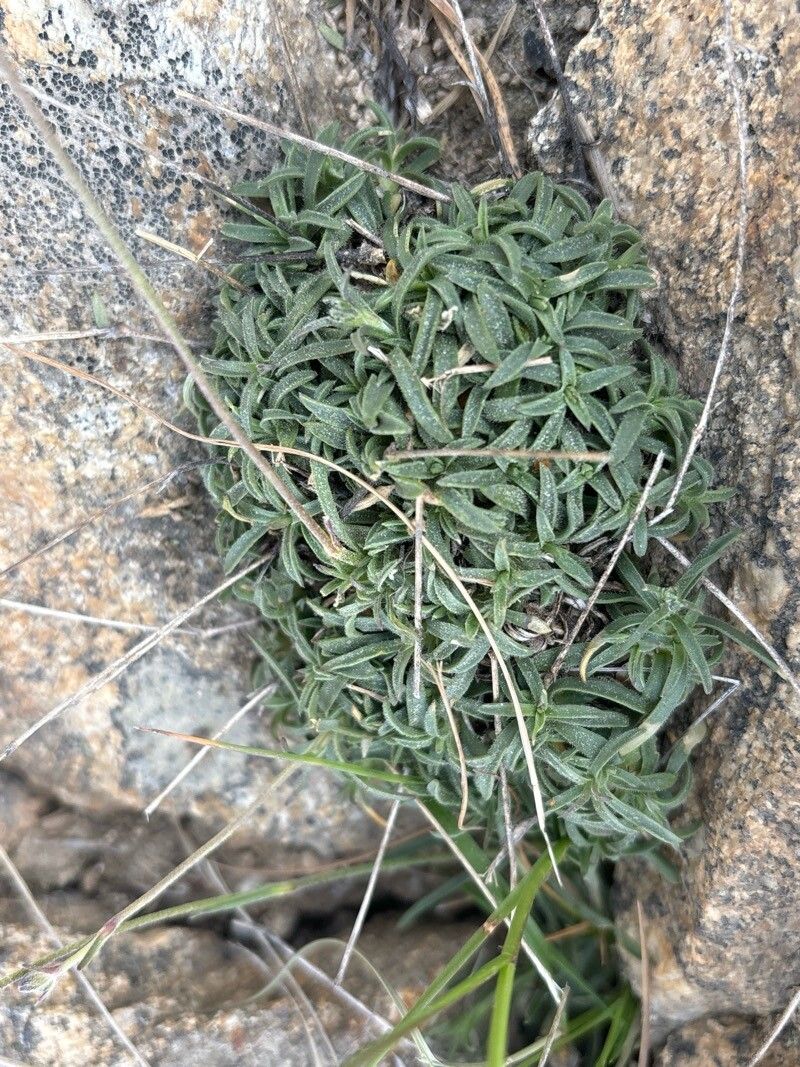
Hello fellow garden enthusiasts! Today, we’re diving into the delightful world of propagating Silene boryi. If you’re looking for a plant that brings a touch of airy beauty and a splash of delicate charm to your garden, Silene boryi is a wonderful choice. Its petite, often rose-pink blooms are simply captivating, and there’s a unique satisfaction in creating new life from an established favorite. For many, propagation is a bit of a puzzle, but with Silene boryi, it’s quite accessible. While not necessarily an “easy-peasy” for absolute beginners, it’s definitely a rewarding project that won’t leave you tearing your hair out.
The Best Time to Start
When I’m looking to increase my Silene boryi stock, my go-to time is late spring or early summer. This is when the plant is in its most vigorous growth phase. You’ll find plenty of healthy new shoots that are perfect for taking cuttings. Waiting until after the main flush of flowering also helps ensure the parent plant has the energy to spare for this endeavor.
Supplies You’ll Need
Here’s what you’ll want to have on hand before you get started:
- Sharp pruning shears or a clean, sharp knife: For making precise cuts.
- Rooting hormone (optional, but recommended): A good quality rooting powder or gel can significantly boost success rates.
- Seed-starting mix or a sandy potting mix: Something that drains exceptionally well is key. I like to mix about half potting soil with half perlite or coarse sand.
- Small pots or trays: Clean pots are a must to prevent disease.
- Plastic bags or a propagation dome: To create a humid environment for your cuttings.
- Labels and a marker: To keep track of what you’ve planted and when.
- Watering can with a fine rose: For gentle watering.
Propagation Methods
For Silene boryi, I’ve found stem cuttings to be the most reliable and straightforward method.
- Select your stems: Look for healthy, non-flowering stems that are about 3-5 inches long. They should snap cleanly when bent slightly, indicating they are not too woody.
- Make the cut: Using your sharp shears or knife, make a clean cut just below a leaf node (the point where a leaf attaches to the stem). This is where new roots are most likely to form.
- Prepare the cuttings: Gently remove the lower leaves from the cutting, leaving just a few at the top. This reduces moisture loss and prevents leaves from rotting in the soil.
- Apply rooting hormone (if using): Dip the cut end of the stem into the rooting hormone, tapping off any excess.
- Plant your cuttings: Fill your small pots or trays with your well-draining potting mix. Make a small hole in the center of the soil with your finger or a pencil. Insert the cutting into the hole, ensuring the leaf nodes are below the surface. Gently firm the soil around the base of the cutting.
- Water gently: Water thoroughly but carefully, allowing excess water to drain away.
- Create humidity: Cover the pots with a plastic bag or place them under a propagation dome. Ensure the plastic doesn’t touch the leaves too much – you can use small stakes if needed. Place them in a bright spot, but out of direct sunlight.
The “Secret Sauce” (Pro Tips)
Ah, the little tricks that make all the difference!
- One thing I always do is ensure no leaves are touching the soil. If they rot, they can easily take down your precious cutting before it even has a chance to root.
- If you have the space and the desire, bottom heat can be a game-changer. A small seedling heat mat placed under your pots can really encourage root development. It creates a cozy environment for those budding roots.
- Don’t be tempted to overwater! Silene boryi roots hate sitting in soggy soil. Moist, not wet, is the mantra.
Aftercare & Troubleshooting
Once your cuttings are planted and covered, resist the urge to peek too often! You’re looking for signs of new growth, like tiny leaves emerging from the top. This usually takes 2-4 weeks, but sometimes it can take a bit longer.
When you see roots developing (you might be able to see them peeking through the drainage holes), it’s time to gently acclimate them to drier air. Gradually remove the plastic bag or open the vents on your propagation dome over a few days. Continue to water them carefully, allowing the soil to dry out slightly between waterings. Once they’re well-established and have a good root system, you can transplant them into slightly larger pots.
The most common pitfall is rot. If you see your cuttings turning mushy or black, it’s usually a sign of too much moisture and not enough air circulation. Unfortunately, once rot sets in, it’s very difficult to save them. Learning from these occasional setbacks is part of the gardening journey!
A Encouraging Closing
Propagating plants is a beautiful dance with nature, and Silene boryi is a willing partner. Be patient with your new babies. Some take their time, and that’s perfectly alright. Enjoy the process of nurturing these tiny beginnings, and soon you’ll have a whole new collection of these cheerful blooms gracing your garden spaces. Happy propagating!
Resource:
https://identify.plantnet.org/k-world-flora/species/Silene%20boryi%20Boiss./data