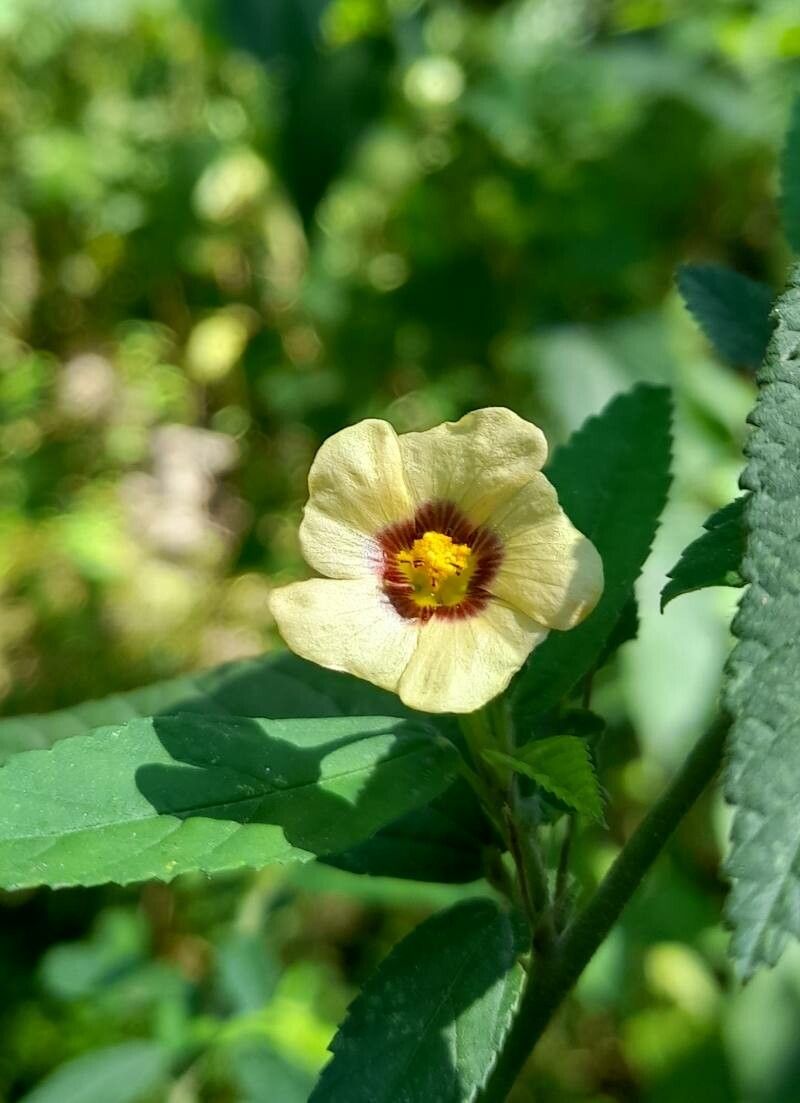
Oh, hello there! Grab your favorite mug, because we’re going to chat about a little plant that brings so much sunshine into my garden: Sida poeppigiana. You might know it by its cheerful yellow blossoms. They look like tiny, delicate trumpets, and they just keep on blooming, drawing in all sorts of pollinators. I find propagating my own just so incredibly satisfying. It’s like watching a tiny miracle unfold right before your eyes! And the best part? For those of you just starting out, Sida poeppigiana is wonderfully forgiving. You’ll likely have great success, even if this is your first time trying your hand at propagation.
When to Get Planting
The absolute best time to propagate Sida poeppigiana is in the late spring or early summer. This is when the plant is in active growth. You’ll see lots of fresh, new stems that are eager to take root. Trying to propagate when the plant is stressed or dormant just won’t yield the results you’re hoping for.
What You’ll Need
Here’s a handy list of what you’ll want to gather before you start:
- Sharp Pruning Shears or a Clean Knife: For crisp, clean cuts.
- Rooting Hormone (Optional but Recommended): Especially for stem cuttings. It really gives them a boost!
- A Well-Draining Potting Mix: I like a blend of equal parts peat moss, perlite, and compost. Avoid anything too heavy.
- Small Pots or Seed Trays: Clean ones are a must to prevent disease.
- Plastic Bags or a Propagator Lid: To create a humid environment.
- Watering Can with a Fine Rose: For gentle watering.
- Labels and a Marker: So you remember what you’ve planted!
Let’s Get Propagating!
The easiest and most rewarding method for Sida poeppigiana is definitely stem cuttings. Here’s how I do it:
- Select Your Cuttings: Look for healthy, vibrant stems that are semi-hardwood. This means they’re not brand new and floppy, but not old and woody either. They should snap cleanly when you bend them. Aim for cuttings about 4-6 inches long.
- Make Your Cuts: Using your sharp shears, make a clean cut just below a leaf node. A leaf node is where a leaf attaches to the stem. This is where roots are most likely to form.
- Prepare the Cuttings: Gently remove the lower leaves, leaving just two or three at the very top. You can also gently scrape a thin sliver of bark from the bottom inch of the stem – this encourages rooting.
- Dip in Rooting Hormone (If Using): Lightly dip the cut end of the stem into your rooting hormone powder, tapping off any excess.
- Plant Them Up: Fill your clean pots with your well-draining potting mix. Make a hole in the center with your finger or a pencil.
- Insert and Firm: Gently insert the cutting into the hole, making sure the leaf nodes are buried in the soil. Firm the soil around the base of the cutting to ensure good contact.
- Water and Cover: Water gently until the soil is evenly moist, but not waterlogged. Then, cover the pot with a plastic bag or a propagator lid to create a mini-greenhouse. This keeps the humidity high, which is crucial.
My Little Secrets
Here are a couple of things I’ve learned over the years that really seem to make a difference:
- Bottom Heat is Your Friend: If you can, pop your pots onto a gentle heating mat. This helps to encourage root development from below. Your cuttings will thank you for it!
- Air Circulation is Key: While you want to create humidity, don’t let the air get completely stagnant. Open the plastic bag or propagator lid for a few minutes each day to allow for fresh air exchange. This helps prevent fungal diseases.
Aftercare and What to Watch For
Once your cuttings are planted, place them in a bright, indirect light location. Think of a spot that gets dappled shade throughout the day. Keep the soil consistently moist, but never soggy. You’ll know your cuttings are rooting when you see new leaf growth emerging from the top. This can take anywhere from 4-8 weeks, so be patient!
If you notice your cuttings looking limp, yellowing significantly, or developing fuzzy mold on the soil or stem, it’s often a sign of too much moisture and not enough air circulation. Sometimes, they just don’t take, and that’s okay! Don’t be discouraged. Just try again with fresh cuttings and maybe tweak your watering or humidity levels.
Keep Growing!
There you have it! Propagating Sida poeppigiana is a simple pleasure that rewards you with more of those delightful yellow blooms. Be patient with your little ones, give them a little TLC, and before you know it, you’ll have a whole new patch of Sida to share (or keep all to yourself – I won’t tell!). Happy growing!
Resource:
https://identify.plantnet.org/k-world-flora/species/Sida%20poeppigiana%20(K.Schum.)%20Fryxell/data