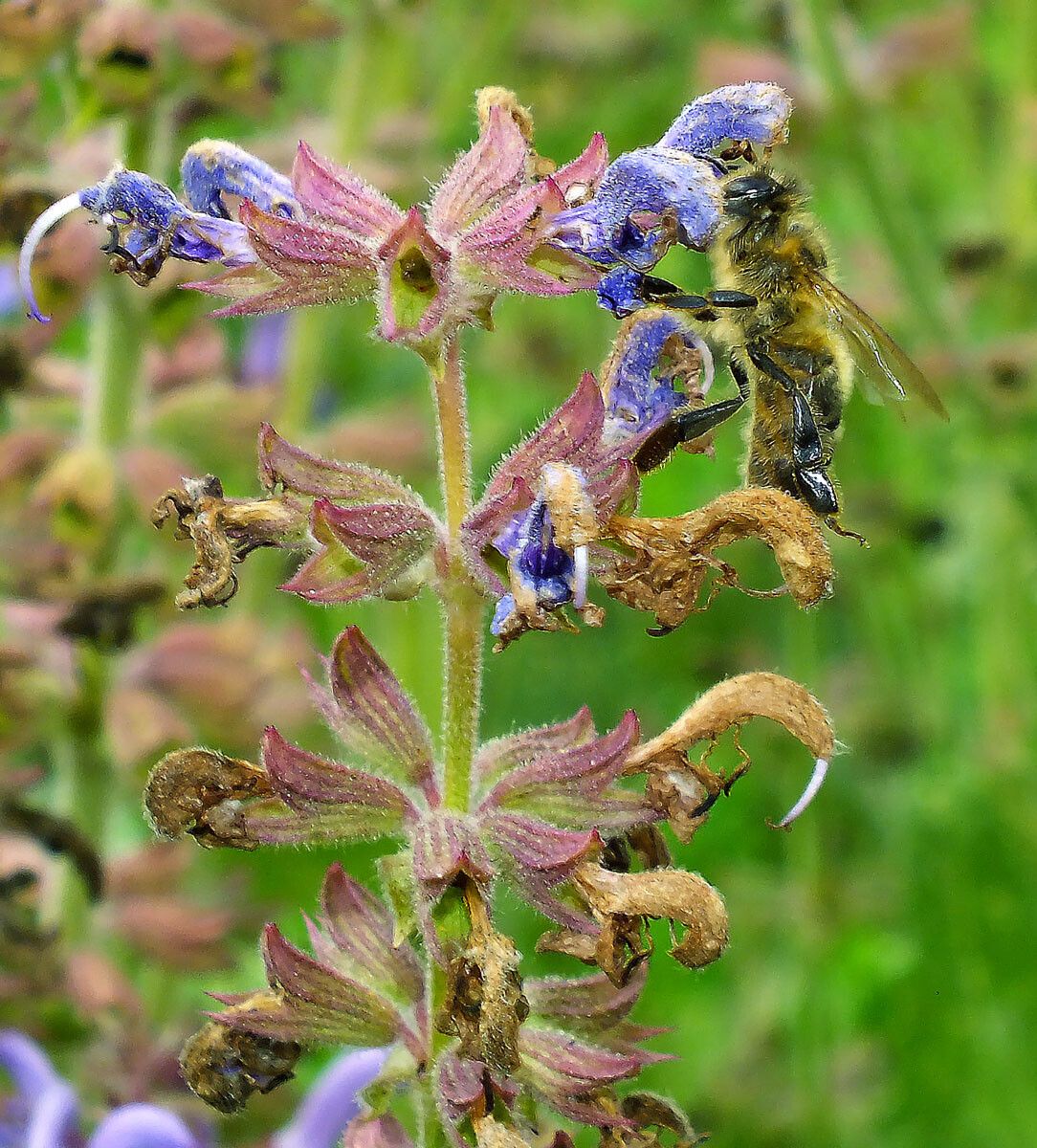
Oh, hello there! I’m so glad you stopped by. Today, we’re going to dive into something truly special: multiplying those gorgeous Salvia candelabrum plants that bring so much life and color to our gardens.
There’s something incredibly satisfying about taking a piece of a healthy plant and nurturing it into something entirely new. Salvia candelabrum, with its striking candelabra-like flower spikes, is a real showstopper. Propagating it means you can fill your garden with these beauties, share them with friends, or simply expand your collection without breaking the bank. Now, if you’re a beginner, don’t you worry. While some salvias can be a little fussy, I find Salvia candelabrum to be quite a rewarding plant to propagate. With a little care and attention, you’ll be well on your way.
The Best Time to Start
For the best chance of success, I always recommend propagating Salvia candelabrum from stem cuttings in late spring or early summer. This is when the plant is actively growing, and the new shoots are still soft and vigorous. Think of it as taking cuttings from a plant that’s full of life and energy – they’re much more likely to root! Waiting until after the main flush of spring growth gives you those perfect, pliable stems.
Supplies You’ll Need
Gathering your supplies beforehand makes the whole process much smoother. Here’s what I like to have on hand:
- Sharp pruning shears or a clean, sharp knife: For making clean cuts.
- Small pots or seed trays: With good drainage holes.
- Propagation mix: A light, airy blend is best. I often use a 50/50 mix of perlite and peat moss or perlite and coco coir. You can also find specialized propagation mixes.
- Rooting hormone (optional but helpful): Look for one with IBA (Indole-3-butyric acid). Talc or gel forms work well.
- Small watering can or spray bottle: For gentle watering.
- Plastic bags or a clear propagator: To maintain humidity around the cuttings.
- Labels and a marker: So you don’t forget what you’ve planted!
Propagation Methods
Let’s get our hands dirty! Stem cuttings are my go-to method for Salvia candelabrum.
Stem Cuttings:
- Select Your Cuttings: Look for healthy, non-flowering stems that are about 4-6 inches long. Pinch or cut them just below a leaf node (where a leaf attaches to the stem). These nodes are where roots are most likely to form.
- Prepare the Cuttings: Gently remove the lower leaves from the cutting, leaving just 2-3 leaves at the top. This prevents them from rotting in the soil. If the upper leaves are very large, you can even cut them in half horizontally to reduce water loss.
- Apply Rooting Hormone (Optional): Dip the cut end of the stem into your rooting hormone, tapping off any excess. This step can significantly speed up root development.
- Plant Them Up: Fill your small pots or trays with the propagation mix. Make a small hole in the center of the mix with your finger or a pencil.
- Insert the Cuttings: Carefully place the prepared cuttings into the hole, ensuring the leaf nodes are below the soil surface. Gently firm the mix around the base of each cutting.
- Water Gently: Water the mix thoroughly but gently, so as not to dislodge the cuttings.
- Create a Humid Environment: Pop the pots into a plastic bag or cover them with a clear propagator lid. This traps moisture and creates the humid microclimate the cuttings need to root. Ensure the leaves aren’t touching the sides of the bag if possible.
- Provide Bright, Indirect Light: Place your propagator in a bright spot, but out of direct sunlight. Too much sun can scorch the delicate cuttings.
The “Secret Sauce” (Pro Tips)
Now for a few little tricks I’ve learned over the years that often make a big difference.
- Don’t Drown Them in Water: While humidity is crucial, waterlogged soil is the enemy. Ensure your propagation mix drains really well. If you can, place your pots on a tray that can catch excess water, but don’t leave the pots sitting in a standing puddle for too long.
- Bottom Heat is Your Friend: If you have a heated propagator mat, now’s the time to use it! Providing gentle bottom heat (around 70-75°F or 21-24°C) can significantly encourage root formation. It essentially tells the plant, “Hey, it’s time to get growing down there!”
- Keep an Eye on the Leaves: As mentioned, I try to keep the leaves from touching the sides of the plastic bag or propagator lid. When leaves touch water that is sitting on the plastic, it can encourage fungal issues, which is the last thing you want for your baby plants.
Aftercare & Troubleshooting
Once your cuttings have rooted, they’ll look much perkier, and you might even see tiny new leaves emerging from the top.
- Rooting Takes Time: Be patient! It can take anywhere from 3 to 6 weeks, sometimes longer, for your cuttings to develop a good root system. You can gently tug on a cutting; if you feel resistance, roots are forming.
- Gradual Acclimation: Once you see signs of rooting, start gradually introducing your cuttings to the outside air. Open the plastic bag for a few hours each day, slowly increasing the time until they are fully acclimated and no longer seem to need the extra humidity.
- Transplanting: When the roots have filled the pot and are starting to emerge from the drainage holes, it’s time to transplant them into slightly larger pots with a good quality potting mix.
- Watch for Rot: The most common sign of failure is rot. If your cuttings turn black and mushy, or if the leaves droop and look unhealthy despite adequate moisture, it’s likely rot. This is usually caused by overwatering or poor drainage. Sometimes, you can salvage a cutting if caught early by trimming away affected parts and repotting in fresh, drier mix, but sadly, it’s often a lost cause.
A Heartfelt Closing
There you have it – your guide to bringing more Salvia candelabrum into your life! Propagating plants is a journey of learning and observation. Don’t be discouraged if every single cutting doesn’t make it. Each attempt is a lesson, and with each batch, you’ll grow more confident. Enjoy the process, savor the little victories, and soon you’ll be surrounded by the stunning blooms of your own propagated salvias. Happy gardening!
Resource:
https://identify.plantnet.org/k-world-flora/species/Salvia%20candelabrum%20Boiss./data