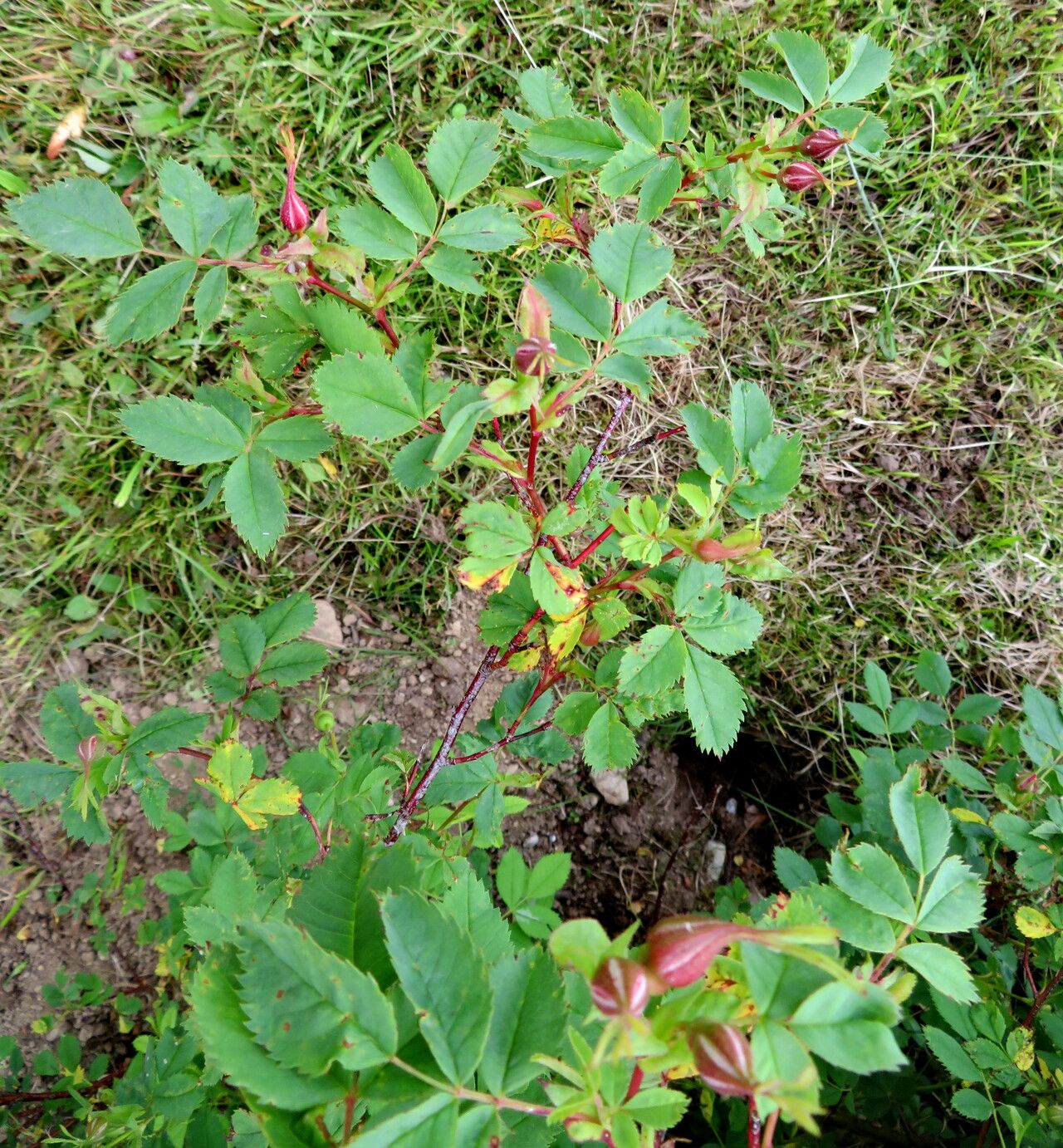
Hello green thumbs!
My name is Eleanor, and for two decades now, I’ve been getting my hands wonderfully dirty, coaxing life from seeds, cuttings, and divisions. Today, I want to talk to you about a truly special California native: Rosa californica, the California wild rose. This beautiful shrub, with its charming clusters of pink flowers and delicate hips, is a true gem in any garden. Plus, there’s something incredibly satisfying about growing a new plant from a piece of an old one. It feels like a little bit of magic, doesn’t it? And the best part? Rosa californica is quite forgiving, making it a fantastic choice, even if you’re just starting out with propagation.
The Best Time to Start
For the highest success rate with our native rose, I find the late spring or early summer is your golden window. This is when the plant is actively growing, and the stems are young and pliable – perfect for taking cuttings. You want to look for new growth that is no longer soft and floppy but has started to firm up a bit. Think of it as being “firm but flexible.”
Supplies You’ll Need
Before we dive in, let’s gather our tools. Having everything ready makes the process so much smoother:
- Sharp, clean pruning shears or a knife: Essential for making clean cuts.
- Rooting hormone (optional but recommended): This can give your cuttings a helpful boost.
- Small pots or seed trays: For your cuttings to root in.
- Well-draining potting mix: A blend of equal parts peat moss or coco coir and perlite or coarse sand works beautifully. You can also find pre-made cactus or succulent mixes that will do the trick.
- Plastic bags or a propagation dome: To create a humid environment.
- Small watering can or spray bottle: For gentle watering.
- Labels and a permanent marker: To keep track of what you’ve planted!
Propagation Methods
Rosa californica is quite amenable to propagation through stem cuttings. It’s my go-to method because it reliably produces healthy new plants.
Stem Cuttings: Your Path to a New Rose
- Select Your Cuttings: Head out to your healthy Rosa californica. Look for stems that are about the thickness of a pencil. Snip off pieces that are roughly 4-6 inches long. Make sure each cutting has at least two sets of leaves.
- Prepare the Cuttings: With your clean shears, make a fresh cut just below a leaf node (where a leaf attaches to the stem). This is where roots are most likely to form. Then, strip off the leaves from the bottom half of the cutting. If any leaves are very large, you can carefully trim them in half to reduce water loss.
- Dip in Rooting Hormone: If you’re using rooting hormone, dip the cut end of each cutting into the powder or gel. Tap off any excess. This step isn’t strictly necessary for Rosa californica, but it can really speed things up.
- Plant Your Cuttings: Fill your small pots or trays with your prepared, damp potting mix. Make a small hole in the center of each pot with a pencil or your finger. Gently insert the cut end of each cutting into the hole, pushing it down about an inch or two into the soil.
- Water Gently: Water the soil thoroughly but gently. You don’t want to dislodge your cuttings.
The “Secret Sauce” (Pro Tips)
Now, here are a couple of things I’ve learned over the years that can really make a difference:
- The Humidity Tunnel is Key: This is a big one! Once your cuttings are planted, immediately cover the pots or trays with a clear plastic bag or a propagation dome. This traps moisture and creates a humid environment, which is crucial for cuttings to root. Make sure the leaves aren’t touching the sides of the bag if possible – that can encourage rot. A few skewers can help prop up the bag.
- Consider Bottom Heat: If you have the space and inclination, placing your pots on a seedling heat mat can significantly speed up root development. It mimics the warmth of spring soil and really encourages those roots to get going. You don’t need it to be scorching hot, just gently warm to the touch.
Aftercare & Troubleshooting
Once your cuttings are planted and nestled in their humid little homes, it’s time for patience. Keep the soil consistently moist but not waterlogged. You’ll want to vent the plastic covering for a few minutes each day to allow for air circulation and prevent fungal issues.
You’ll know your cuttings have rooted when you see new leaf growth, or when you gently tug on a cutting and feel resistance. This can take anywhere from 4 to 8 weeks. Once they’ve established a good root system, you can gradually acclimate them to normal garden conditions by removing the plastic covering for longer periods each day before transplanting them into larger pots.
Now, what if things don’t go as planned? The most common issue you might encounter is rot. If you see your cuttings turning mushy or black, it’s usually a sign of too much moisture and not enough air circulation. In this case, try to increase ventilation, ensure your soil is draining well, and be careful not to overwater. Don’t be discouraged if some cuttings don’t make it; it’s all part of the learning process!
A Encouraging Closing
Growing Rosa californica from cuttings is a deeply rewarding experience. It connects you to the life cycle of plants and allows you to multiply the beauty in your garden. Be patient with yourself and the process. Each cutting is a little experiment, and even if not every one succeeds, you’ll learn something valuable along the way. Happy propagating!
Resource:
https://identify.plantnet.org/k-world-flora/species/Rosa%20californica%20Cham.%20&%20Schltdl./data